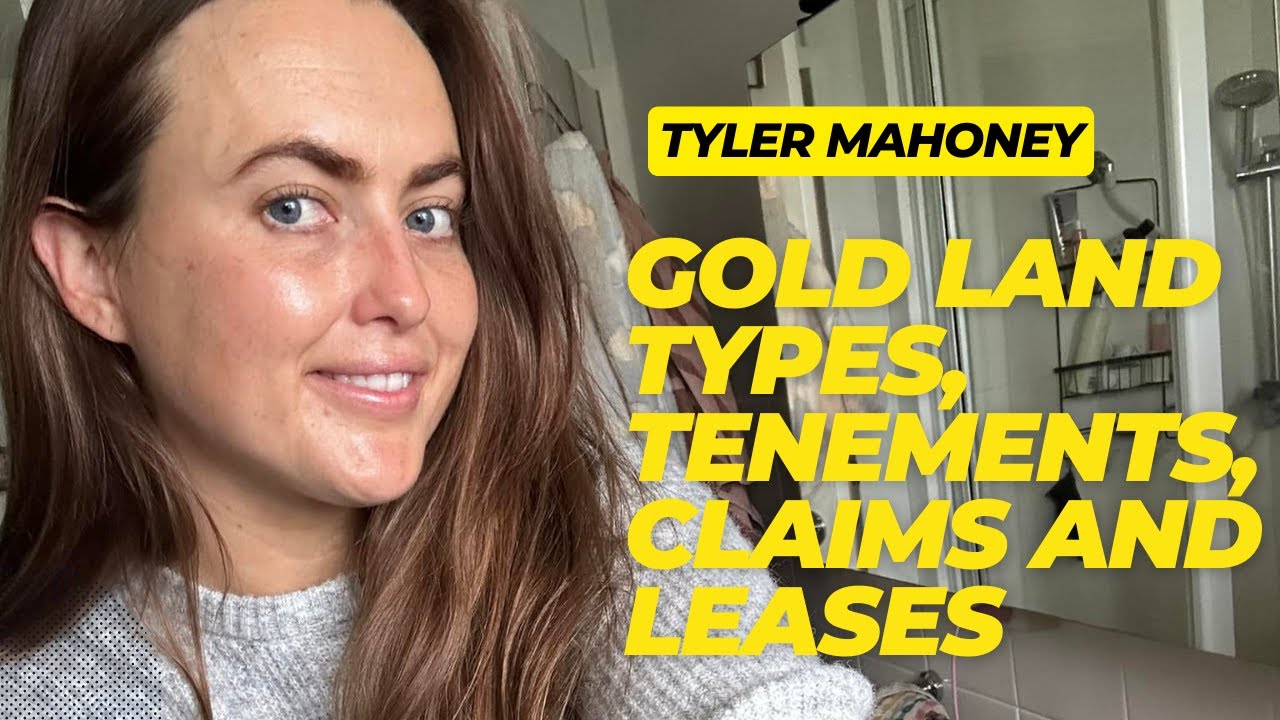
Gold prospector and full-time miner Tyler Mahoney, known for her deep family roots in the industry and current work on an Alaskan gold mine, is reaching out to help newcomers understand the complex world of prospecting.
In a new educational series, Mahoney is demystifying the often-confusing jargon surrounding land rights, geological terms, and the different types of gold. Her aim is to make gold prospecting more accessible to beginners around the world.
“There’s so much jargon, and it’s very different from state to state and country to country,” Mahoney explained. “Today, I’m focusing on tenements.”
In Australia, a tenement is a general term for any mining claim, lease, or license held by an owner. Western Australia, for example, issues exploration licenses, mining leases, and prospecting licenses, each granting different levels of access and rights. Mahoney stressed the important difference: miners don’t own the ground — they own the mineral rights.
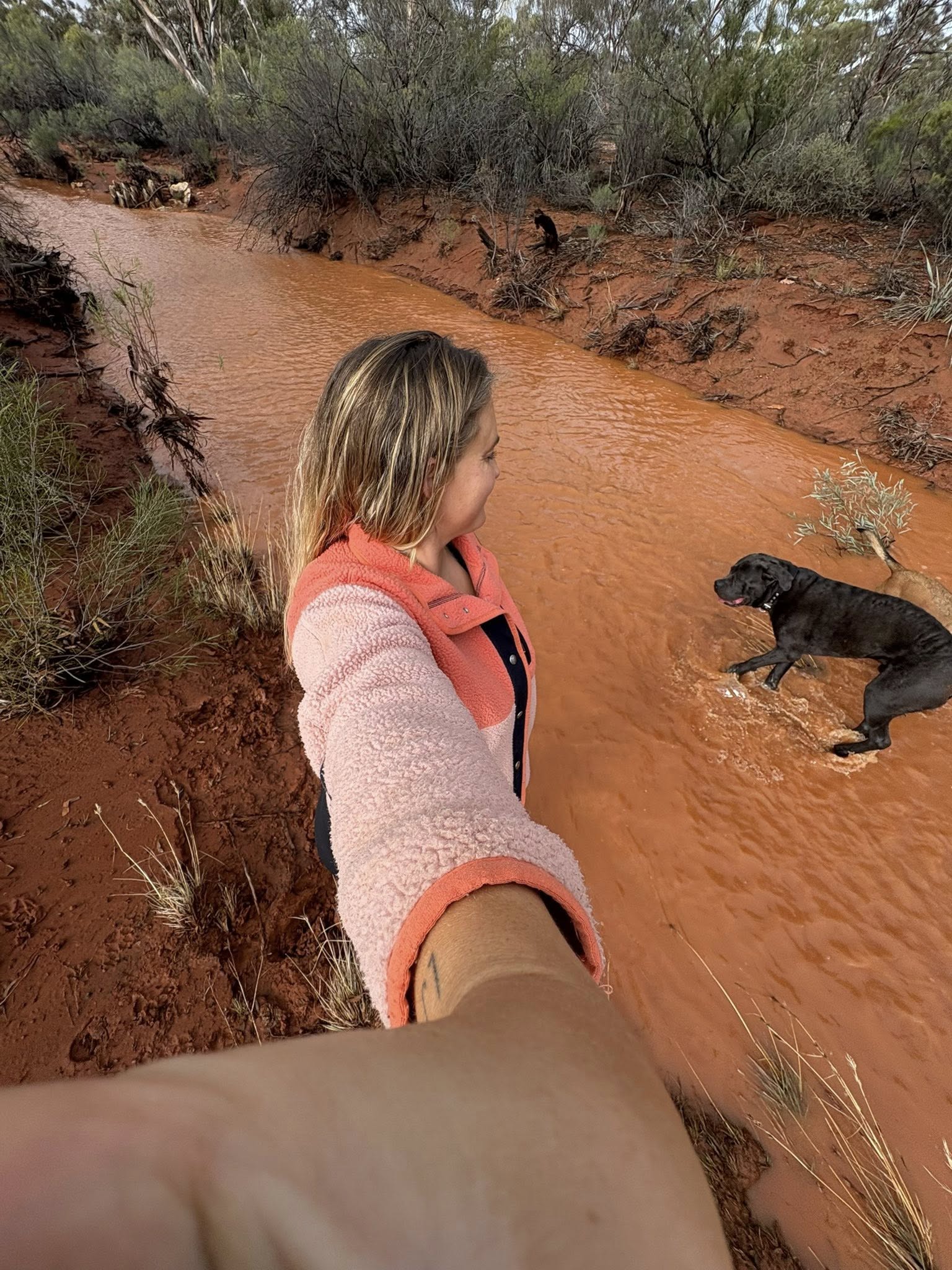
Pastoral rights, which typically belong to station owners, govern cattle grazing and land use, while mining tenements govern what’s beneath the surface. Rules differ sharply between states: in Queensland, prospectors need written permission from station owners, while in Western Australia, they don’t — though contacting them is considered good practice.
Mahoney also touched on geology, beginning with “contact zones,” areas where two types of rock meet. These zones are often hot spots for gold finds. “You might see greenstone meeting granite, or a color change in the dirt,” she said. “Contact zones can be a major indicator of gold.”
Finally, Mahoney discussed the difference between primary and secondary gold.
-
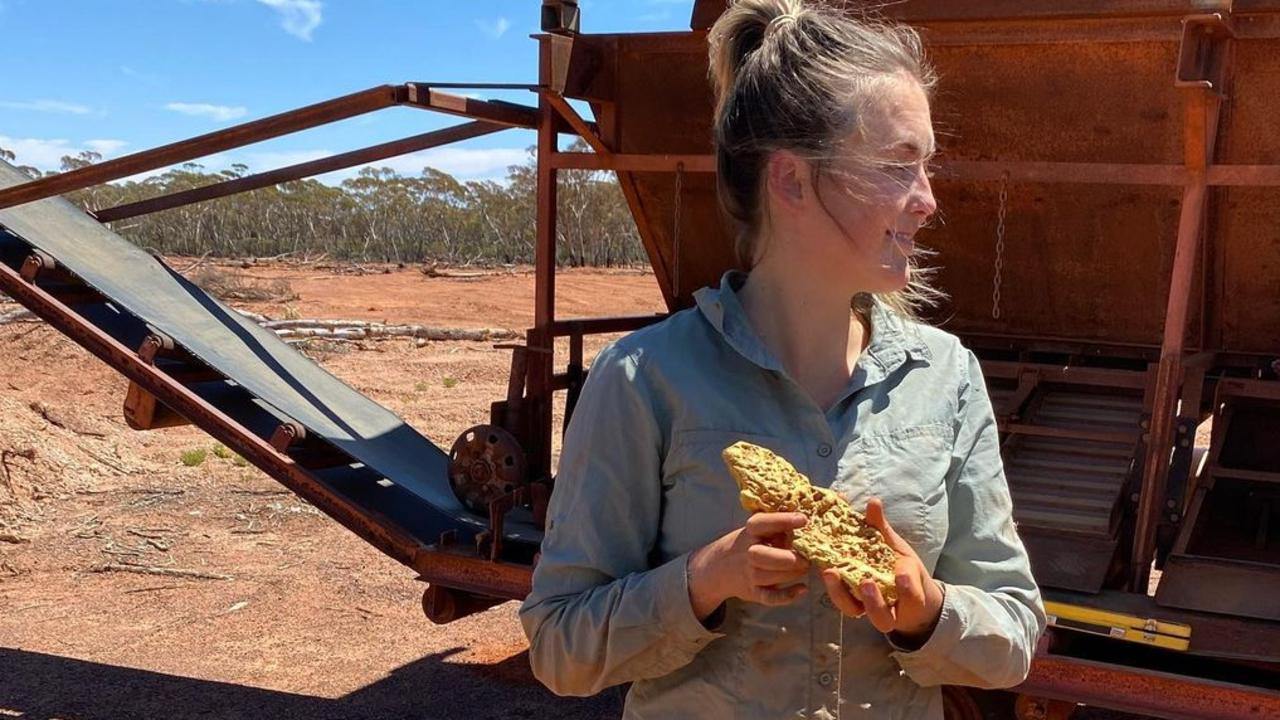
Primary gold is found in hard rock, requiring extraction from ore — examples include large mines like Australia’s Super Pit.
-
Secondary gold, meanwhile, has been moved away from its source, either by water (alluvial gold) or earth movement (eluvial gold). Nuggets found by modern prospectors are typically secondary gold.
Mahoney, who also runs a comprehensive online resource called The Treasure Chest, says she hopes this free series of videos and posts will support aspiring gold hunters. “If you have specific questions about states, countries, or anything else, just let me know,” she added.
For those eager to learn more, Mahoney promises to continue the series, diving deeper into topics like metal detectors, machine settings, geology indicators, and more.
