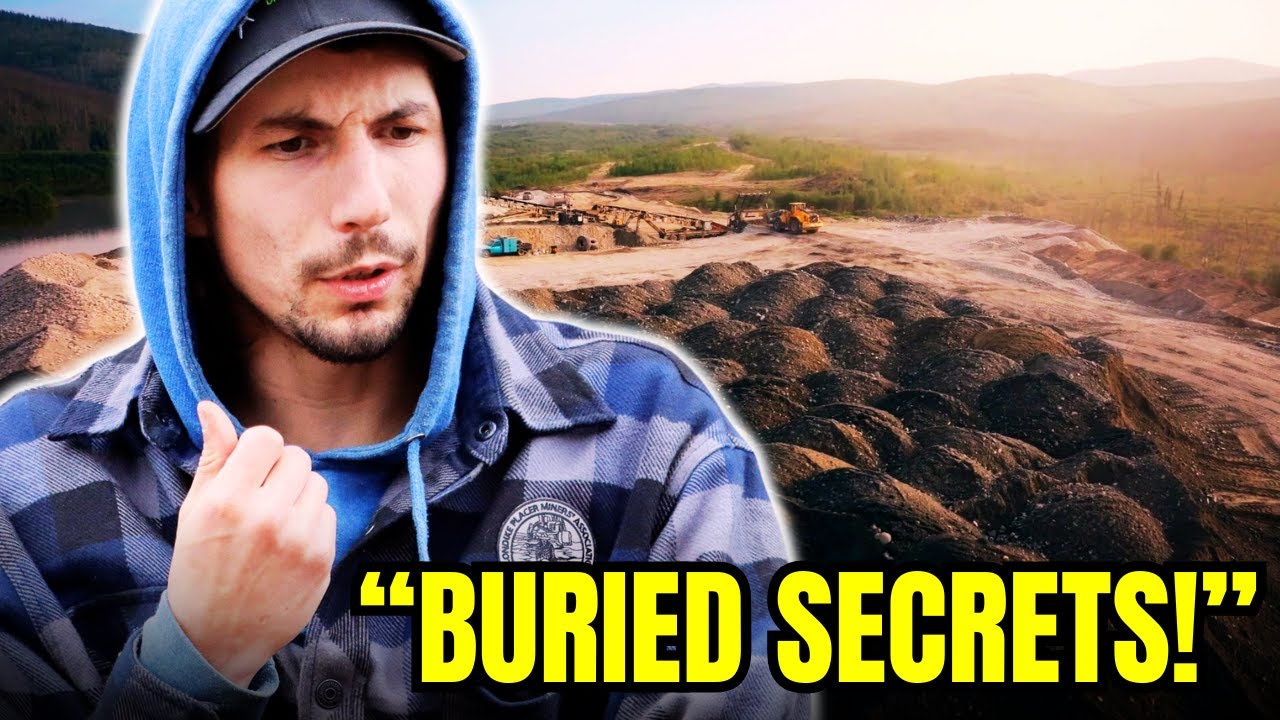
Gold Rush Season 15 concluded with high emotions, major victories, and tough losses. Yet while viewers celebrated final gold totals on screen, for the miners, the real work had only just begun. One lingering question remains: what happens to mining sites after the cameras stop rolling?
Mining operations, as shown in the series, involve clearing land, setting up wash plants, and digging massive cuts. However, the show’s dramatic finale rarely captures the equally critical next phase: reclaiming the land.
The Law Behind Land Reclamation
Whether mining in Alaska, the Yukon, or South America, miners must comply with strict environmental regulations. Before any digging begins, they must secure permits and licenses, which come with one crucial condition: they must restore the land after mining concludes.
Environmental damage from mining — stripped landscapes, displaced soil, and destroyed ecosystems — can be devastating if left untreated. To prevent lasting harm, miners are legally bound to rehabilitate their claims. Regulatory bodies at local and national levels oversee compliance. Failure to reclaim land properly can lead to fines, permit revocation, and even criminal charges.
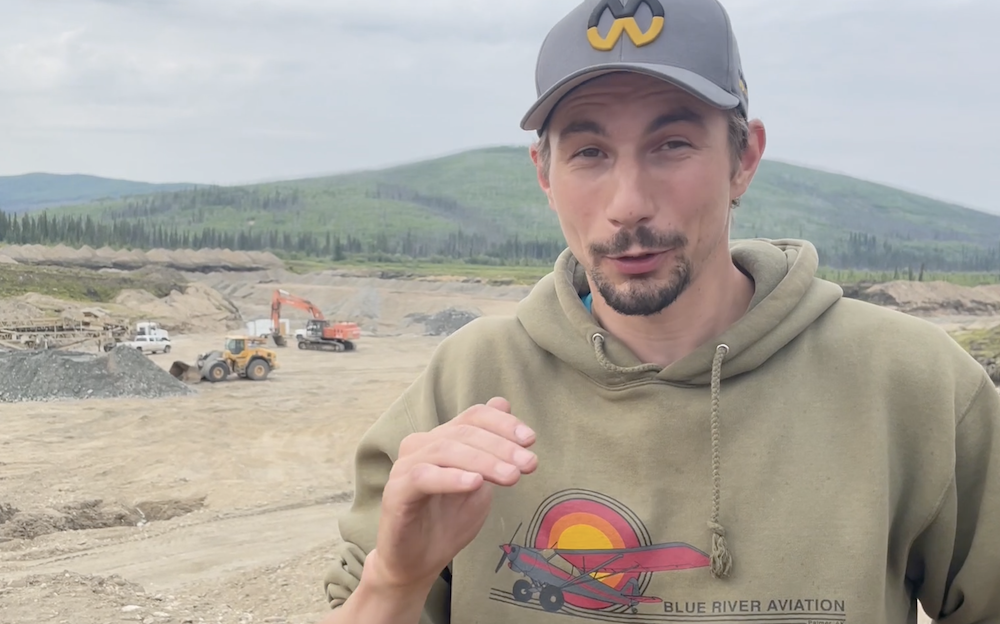
The foundation for modern reclamation law dates back to the 1902 Newlands Reclamation Act, strengthened by the 1977 Surface Mining Control and Reclamation Act. Violators face fines up to $2,500 per day or up to one year in jail.
Reclamation involves more than simply filling holes. Miners must regrade land, replace topsoil, revegetate disturbed areas, and restore the ecosystem to a usable state — whether for wildlife, farming, or natural wilderness.
How Gold Rush Miners Approach Reclamation
While not all miners show the same level of commitment, some take land restoration seriously.
Parker Schnabel, known for his intense work ethic, stands out. His dedication to responsible mining earned him the Leki Award from the Yukon government for excellence in environmental stewardship. At his Little Flake operation, Parker went beyond basic requirements, restoring land to a thriving, natural state.
Parker has openly stressed the importance of reclamation, recognizing that environmental responsibility is key to maintaining relationships with governments, landowners, and the public.
In contrast, Tony Beets, the “King of the Klondike,” has had a more controversial track record. His large-scale dredging operations have occasionally drawn scrutiny, resulting in fines for failing to meet reclamation standards. Nevertheless, Tony and his team continue to mine while facing mounting pressure from environmental regulators.
Across the board, most Gold Rush miners now recognize that reclamation is not optional — it is essential for the future of mining.

The Broader Toll of Gold Mining
Gold mining by nature is a highly destructive process. Environmental groups like Earthworks.org report that gold mining contaminates water sources with toxins such as arsenic, lead, and cyanide. These pollutants pose long-term threats to aquatic ecosystems and human communities.
Habitat destruction is another serious concern. Mining often strips entire landscapes, endangering wildlife and permanently altering ecosystems. Earthworks estimates that producing a single gold wedding ring generates about 20 tons of waste — much of it toxic.
Environmental Controversies Surrounding Gold Rush
The Gold Rush production itself has faced environmental backlash. In 2017, residents of a small Colorado town sued their county for allowing the show to film nearby. According to The Denver Post, the lawsuit alleged that Gold Rush crews severely damaged local land and disrupted the community with nonstop industrial noise.
While not all Gold Rush mining operations cause harm, such incidents highlight a troubling truth: televised mining prioritizing speed and drama can result in environmental shortcuts.
The Unseen Cost of Entertainment
As Gold Rush continues with bigger machines, deeper cuts, and larger operations, viewers must remember that the glitter of gold comes at a heavy price. Behind every exciting gold weigh-in lies the hidden cost paid by the land, water, wildlife, and communities.
Gold may shine brightly, but its scars on the earth often last far longer than the fortunes it creates.
