Gold Rush: The Hidden Scars Left Behind After the Gold Is Gone

Gold Rush Season 15 ended with high emotions — major victories, heartbreaking losses, and the final thrilling gold weigh-ins. Yet while fans saw the miners celebrate or mourn their totals, few realize that the real work was just beginning. Once the cameras stop rolling, the miners face a different, often invisible challenge: restoring the land they’ve torn apart.
Beyond the Glory: The Hard Truth About Gold Mining
Throughout Gold Rush, viewers watch the grueling physical work — clearing dense forests, building wash plants, digging massive cuts, and moving thousands of yards of dirt.
What is less often shown is what happens after the gold is extracted.
Miners can’t simply pack up and leave. Whether they’re operating in Alaska, the Yukon, or South America, strict environmental regulations require them to reclaim the land they disturbed.
Mining scars the Earth — stripping landscapes, destroying habitats, and disrupting ecosystems. Left abandoned, these wounds could lead to devastating, long-term environmental damage.
Reclamation isn’t just encouraged. It’s the law.
Reclaiming the Land: A Legal and Moral Obligation

Before mining even begins, miners must secure permits and licenses. These documents come with a serious condition: once mining operations end, the land must be restored to a stable and natural-looking condition.
Failure to comply can result in:
-
Heavy fines,
-
Loss of future mining rights,
-
Legal action,
-
Even jail time.
The roots of these rules go deep. The 1902 Newlands Reclamation Act first addressed land restoration, and the 1977 Surface Mining Control and Reclamation Act specifically targeted industries like coal and gold mining.
Violators can face fines up to $2,500 or up to one year in jail.
Reclamation is far more complicated than pushing dirt back into holes. Miners must:
-
Regrade and recontour the landscape,
-
Replace topsoil,
-
Replant vegetation,
-
Ensure the land can once again support life — whether as wild habitat, farmland, or natural wilderness.
It’s a long, expensive, and demanding process, but without it, the environment — and the mining industry itself — would suffer permanent damage.
Leaders and Laggards: How Gold Rush Miners Handle Reclamation
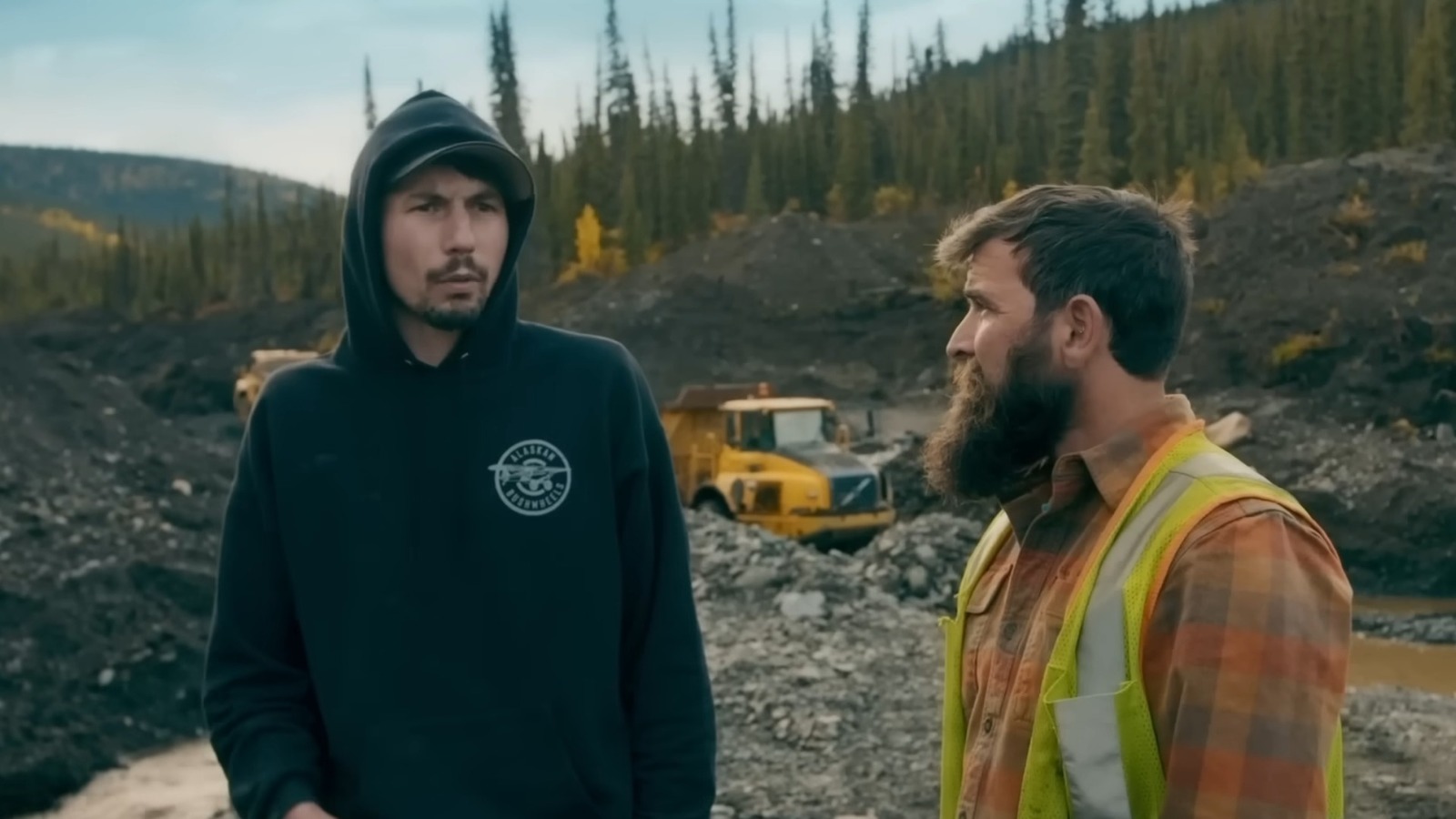
Not all miners treat reclamation equally.
Parker Schnabel stands out as a role model for responsible mining.
Known for his intense work ethic and respect for the land, Parker went above and beyond at his Little Flake mining operation, earning the Leckie Award from the Yukon government for excellence in environmental stewardship. Parker has often spoken about how essential reclamation is — not just legally, but ethically, to maintain trust with local communities and protect future mining opportunities.
In contrast, Tony Beets, the legendary “King of the Klondike,” has faced more scrutiny. His large-scale dredging operations have at times resulted in environmental violations and fines.
While Tony continues to mine aggressively, he — like all miners — must answer to regulatory bodies when reclamation standards aren’t met.
Still, the majority of Gold Rush miners now understand: reclamation isn’t just good practice — it’s survival.
The Hidden Environmental Cost of Gold
Beyond the drama and adventure, gold mining takes a harsh toll on nature.
According to Earthworks.org, producing a single gold wedding ring generates about 20 tons of toxic waste, including dangerous chemicals like arsenic, lead, and cyanide. These pollutants contaminate water sources, threatening wildlife and human health alike.
Habitat destruction is another unavoidable consequence. Entire ecosystems are wiped out to uncover precious gold deposits, often leaving the land permanently scarred.
Gold Rush itself hasn’t escaped criticism.
In 2017, residents in a small Colorado town sued local officials for allowing Gold Rush filming nearby. The lawsuit alleged that the show’s crew caused severe environmental damage, disturbed local peace with constant noise, and put local wildlife at risk.
While not every mining operation is careless, the lawsuit highlights a dangerous truth: the race for gold — and good television — sometimes overshadows environmental responsibility.
Conclusion: The Real Price of Gold
Every season, Gold Rush offers gripping stories of grit, ambition, and dreams realized through backbreaking work.
But beneath the victories and gold tallies, the Earth itself often pays the greatest price.
As fans cheer for Parker Schnabel, Tony Beets, and other mining legends, it’s crucial to remember: gold may glitter, but the scars it leaves behind can last far longer than any fortune gained.
