The Road Beneath the Swamp: Buried Secrets and Ancient Clues on Oak Island
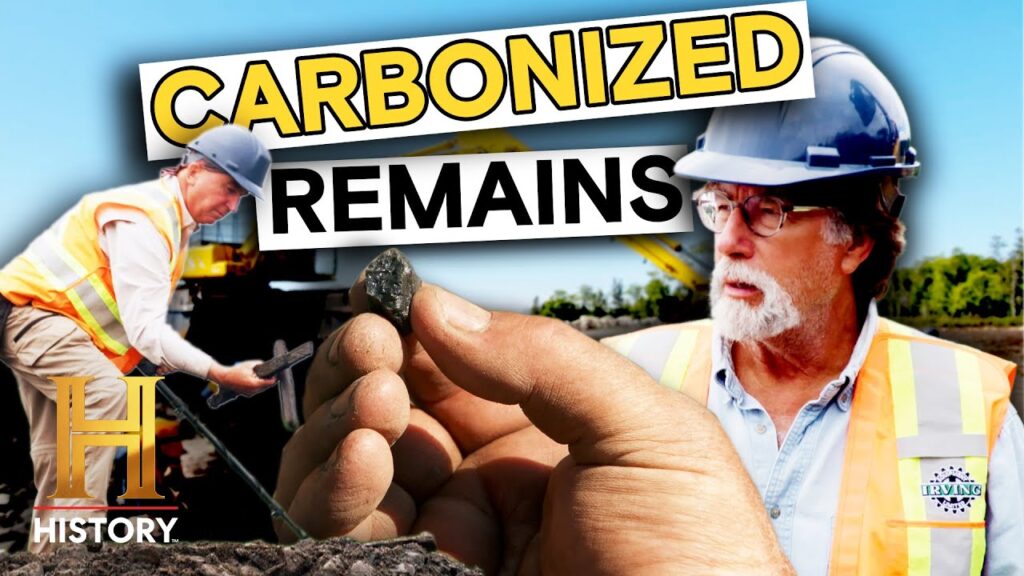
As the waters of the Oak Island swamp continue to recede under excavation, so too does the veil of history. Every shovelful of mud removed from this mysterious terrain seems to peel back centuries, revealing new layers of construction, culture, and possibly concealment. The most recent finds are among the most compelling yet—stone roads, timber cribbing, barrels, coal, and artifacts whose age and purpose may rewrite Oak Island’s long and legendary tale.
Digging Through Time: A Road to the Past
“We’re getting that the road was built on,” one worker remarks, standing atop a layer of peat long buried beneath sediment and time. “Every scoop, we’re going back another hundred years.”
The road they speak of is no simple path. Built from stone and supported by wooden cribbing, it winds beneath the swamp like a forgotten artery. Archaeologist Dr. Aaron Taylor, brought in to offer his professional insight, speculates it may have once connected a harbor to the uplands—an engineered trade or transport route, perhaps for something far more secretive.
“This would have taken a lot of work to build,” he notes gravely. “This is not natural. Someone meant for it to be here.”
Artifacts Speak: Barrels, Chains, and Coal
Among the muck and peat, the team uncovers fragments of barrel staves—wooden slats once used to hold kegs together. These aren’t random debris; they’re historical hints. Could they have held gunpowder? Coins? Treasure? Metal-detecting expert Gary Drayton reminds the crew: “It weren’t just gunpowder they put in kegs—it was treasure coins as well.”
Then comes the kicker: a massive, hand-wrought iron chain with a hook—dated by blacksmith expert Carmen Legge to the 16th century. It’s no farming implement. This was used to haul something heavy—possibly treasure—across the bog.
“This is very important,” Rick Lagina emphasizes, “because it’s right at the cultural level.”
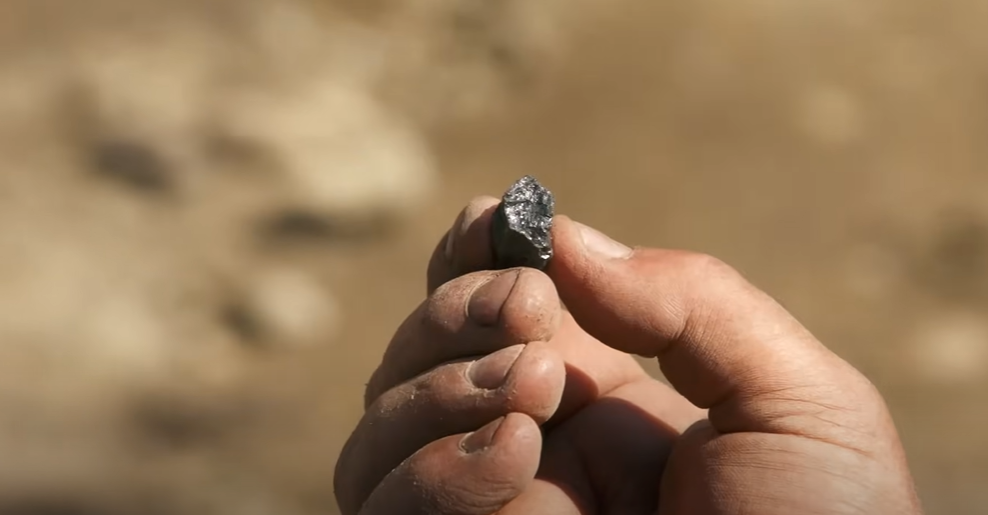
Adding to the mystery is the discovery of coal buried deep beneath the pathway—well below the known layers of 19th-century searcher activity. “Coal doesn’t float,” says Scott Barlow. “Somebody left it here.” The implication? A burn event, long before modern tools touched the island.
The Evidence Builds: Stakes, Cribbing, and Structure
As excavation deepens, so too does the complexity of the construction. Logs, brush, and heavy timbers are discovered beneath the stones—strategically placed to stabilize the road in the boggy terrain. The method is clear: this wasn’t a makeshift track; it was built to last, and perhaps to remain hidden.
“These were big timbers underneath the stone road,” Rick explains. “Somebody put that road in for a specific reason, and I think they wanted it to not be found after they were done.”
Theory Meets Discovery: Was This a Treasure Offloading Point?
The team’s excitement grows with every find, but one question overshadows them all: was this swamp once a harbor?
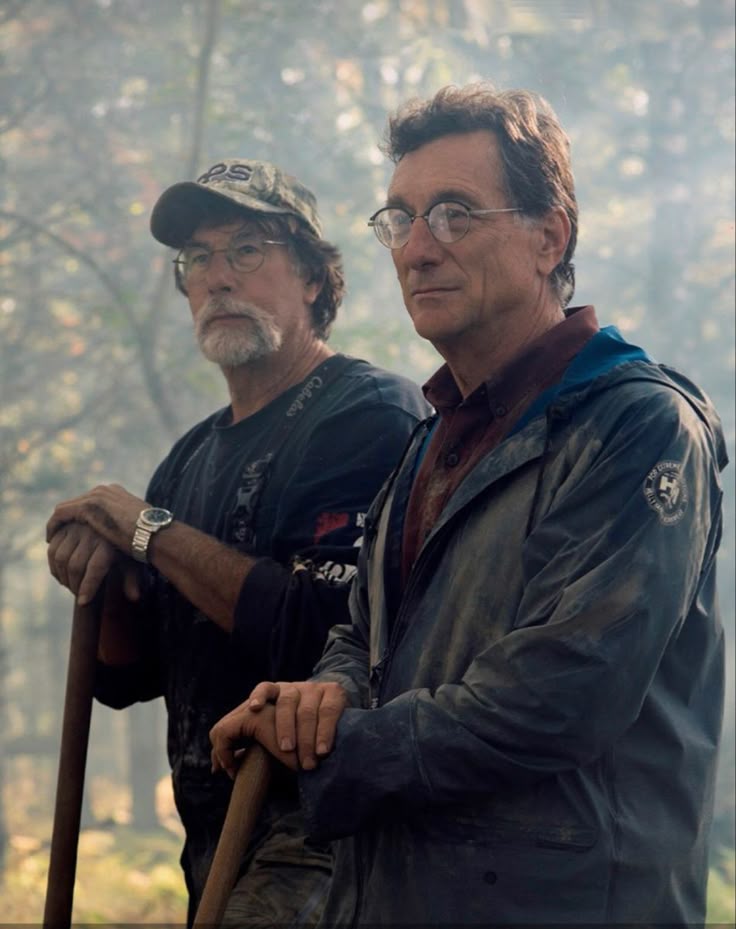
Fred Nolan, the late surveyor and Oak Island theorist, long believed that Oak Island was originally two islands, with a ship—perhaps a treasure galleon—sailed between them, unloaded in secret, and deliberately sunk beneath what would become a man-made swamp.
With every new barrel stave, with each piece of charcoal and timber, Nolan’s theory gains new weight.
“You could stay there,” Marty Lagina speculates, examining the recovered chain, “hook a box or something very heavy… and pull it right up that road.”
The End—or the Beginning?
At what they believe to be the end of the stone road, more clues emerge: another boulder, barrel staves, and peculiar wooden pieces—possibly axe handles, or tools of transport. And as the excavator bucket lifts another load, anticipation rises.
Gary Drayton’s words linger in the air: “One thing that’s really exciting about being in the swamp is that possibility… that Billy sticks that bucket in, and next thing you know, you come up with some really great old artifacts.”
The road may be buried beneath centuries of mud, but it’s leading somewhere. Perhaps not just to the past—but to the very heart of Oak Island’s enduring legend.