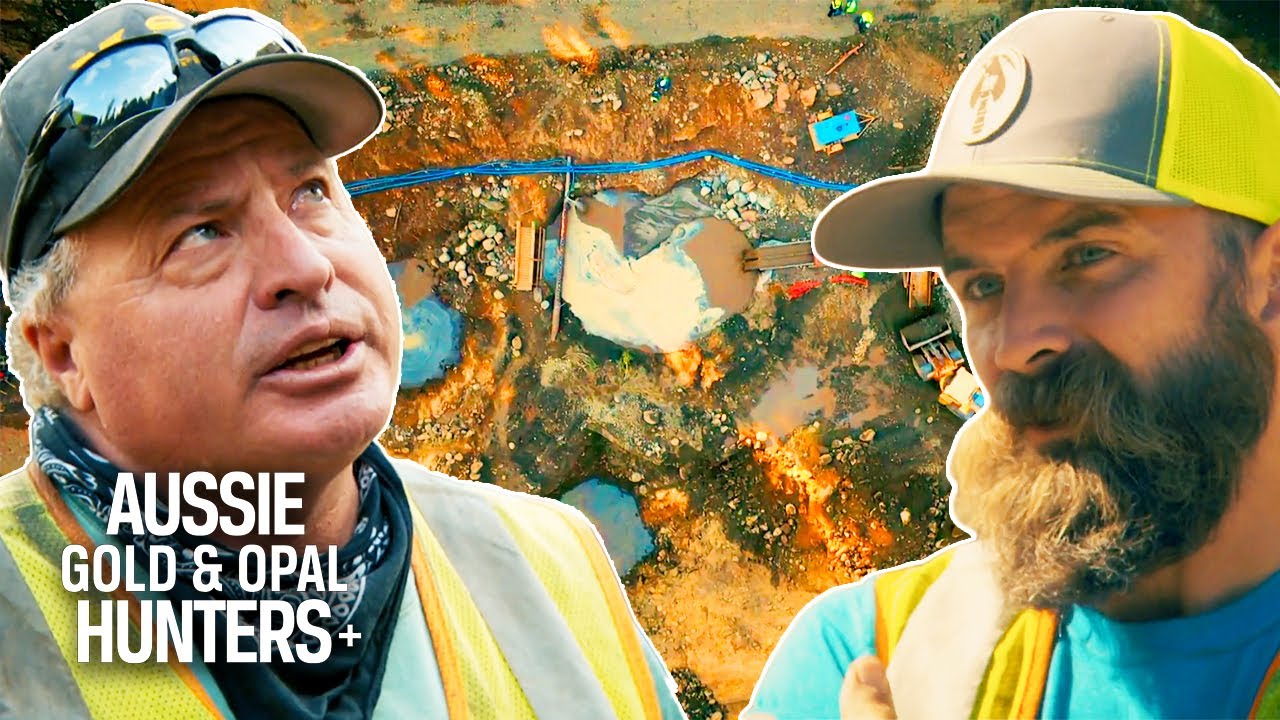
Elorn Mountains, OR – In the unforgiving terrain of Oregon’s Elorn Mountains, former Green Beret Fred Lewis and his team of combat veterans are facing what may be their most dire mining season yet. With morale plummeting and just 1.25 ounces of gold recovered to date, the crew’s fortunes—and future—hang by a thread.
“We’re more than halfway through the season, and it’s really not looking great,” Fred admitted, his tone edged with fatigue. Despite the promise of the “Liberation Cut,” the new section of ground yielded just 0.6 ounces, falling drastically short of expectations. Equipment breakdowns, logistical headaches, and ineffective pay dirt have plagued operations since day one.
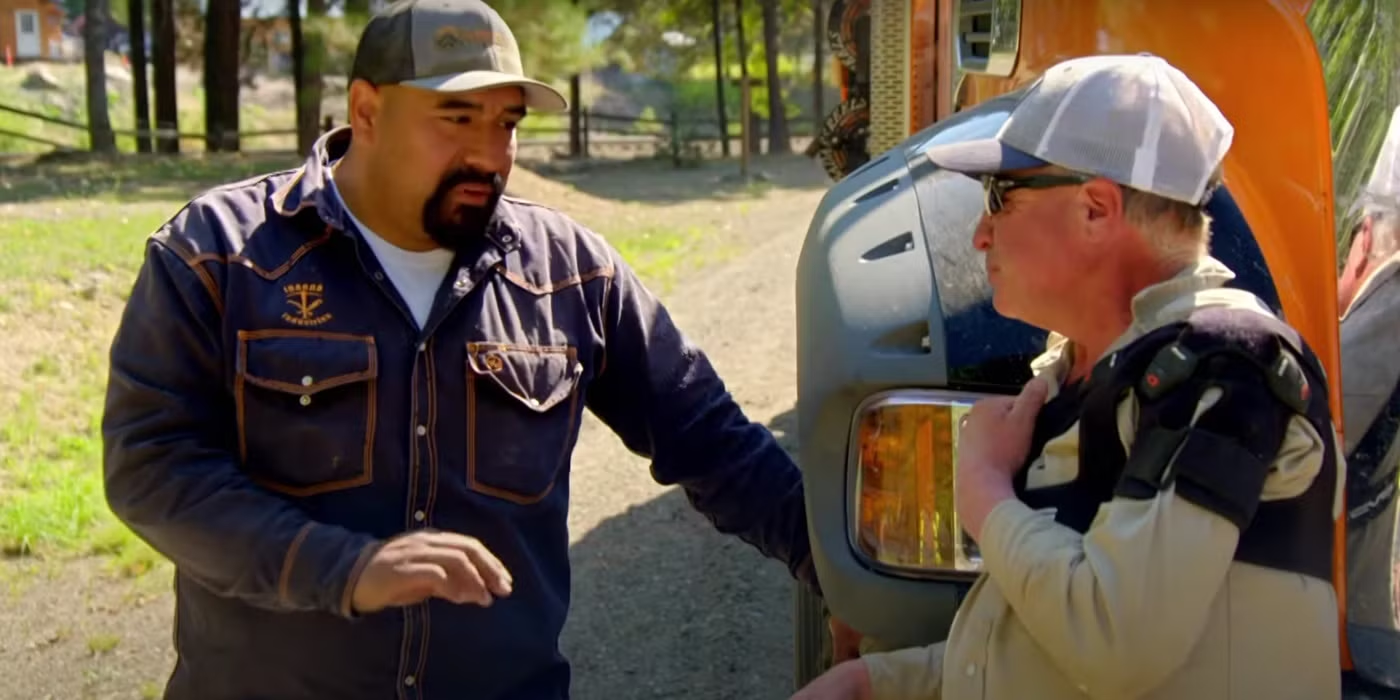
A CALL FOR BACKUP: FREDDY DODGE AND JUAN IBARA ANSWER THE SOS
In a desperate move to salvage the operation, Fred called in gold recovery expert Freddy Dodge and master mechanic Juan Ibarra, both respected figures in the mining world. Upon inspection, the duo found critical flaws.
“This whole operation doesn’t seem very efficient,” Dodge remarked. Chief among the problems: water—or the lack of it. “They’re sluicing out of a mud hole. They’ve got about 90 minutes of water run-time before it silts up and clogs the system.”
The lack of clean water meant the wash plant, Colonel Nugget, couldn’t operate continuously. Worse yet, silty water was carrying gold straight out of the sluice box and back into the earth.
With urgency, Dodge and Ibarra led the crew in building silt dams to filter runoff and stringing new water lines to restore flow from lower ponds.
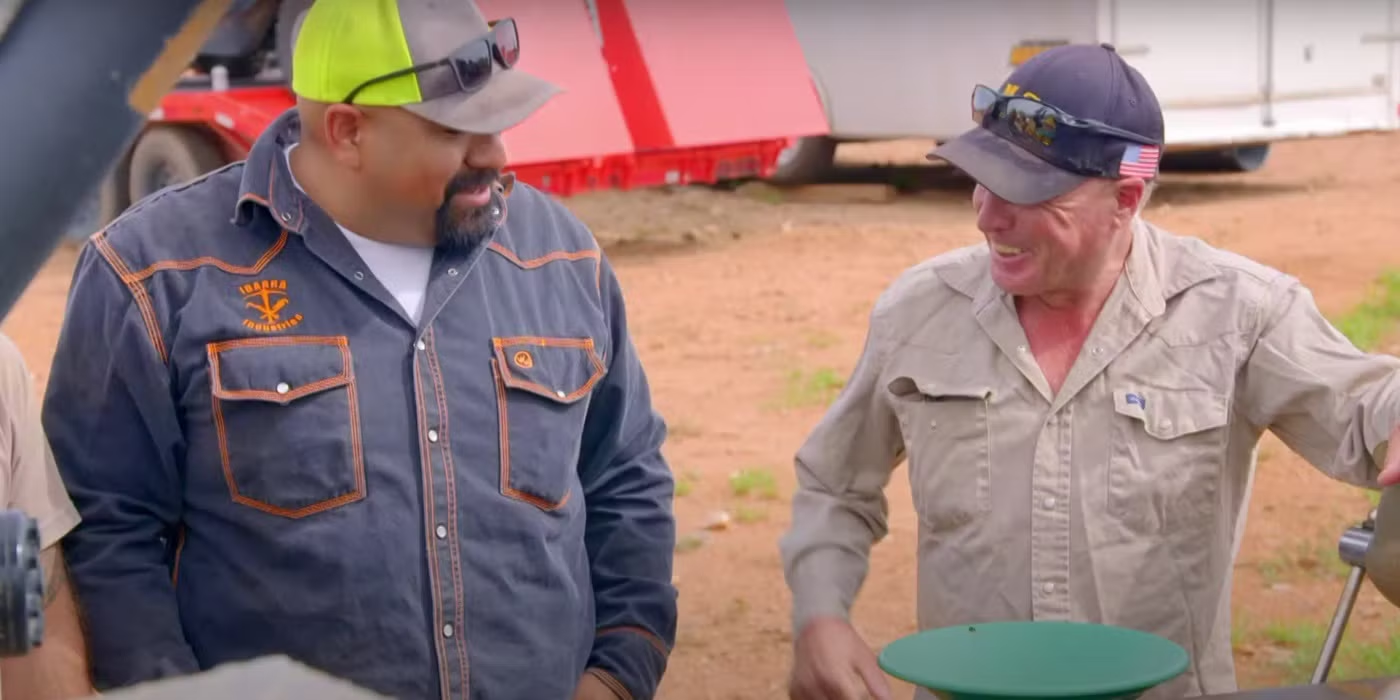
“NOT GOOD PAY DIRT”: FREDDY’S BLUNT ASSESSMENT OF THE CUT
Even with water issues temporarily resolved, Dodge uncovered an even more troubling issue: the pay dirt itself.
Standing over the Liberation Cut with Fred and digger Master Sergeant Stefan General, Dodge inspected the supposed gold-bearing ground.
“If this is pay, it doesn’t look like very good pay to me,” he said. “It looks more like slip that’s come off the hill—not reworked gravels.”
The crew had spent weeks digging and running what might have been essentially worthless dirt.
FIGHTING SPIRITS, EMPTY POCKETS
Marine veteran Carl Smith, who recently invested in the operation in exchange for a share of the gold, is now witnessing his financial backing yield no returns. “It’s great we have an investor,” Fred said. “But that puts us under a lot more pressure.”
Fred confessed that without a turnaround, he’s got “maybe two weeks left” before he’s forced to pull the plug.
“Right now, we’re just hemorrhaging money,” added Stefan. “Something’s got to change.”
WHAT’S NEXT FOR THE MISFITS?
With the fall colors already touching the trees and freezing temperatures looming, time is quickly running out. Dodge’s final advice? Look for rounded, river-worn gravels—a sign of real pay. But finding it is easier said than done.
Fred remains determined. But determination might not be enough this time.
“This whole thing could be over,” he admitted, “unless we strike gold—and soon.”