
Oak Island’s Secrets Deepen Amid Doubt and Determination
The mystery of Oak Island continues to evolve and grow more uncertain with the airing of The Curse of Oak Island Season 12. The latest installment saw the Fellowship of the Dig wrestling with both breakthroughs and bombshells as their search for the legendary Money Pit treasure took several unexpected turns.
Early Hopes at Lot 5
The episode opened on Lot 5, where the team investigated a stone foundation. Despite unearthing a series of intriguing artifacts, none could be positively identified on camera, leaving their historical value unresolved. The excitement simmered but never fully ignited.
Smith’s Cove Yields More Questions
At Smith’s Cove, efforts to locate the fabled flood tunnels turned up wooden fragments and a curious piece of metal. Adding fuel to the fire, metal detection near the shoreline revealed a cast iron stove, adorned with a starburst design. Gary Drayton dated it to the mid-18th century, sparking speculation that it might be linked to a medieval button found in a previous season. Rick Lagina believes the connection hints at a larger narrative—one still hidden in the island’s depths.
The Money Pit Strikes Again
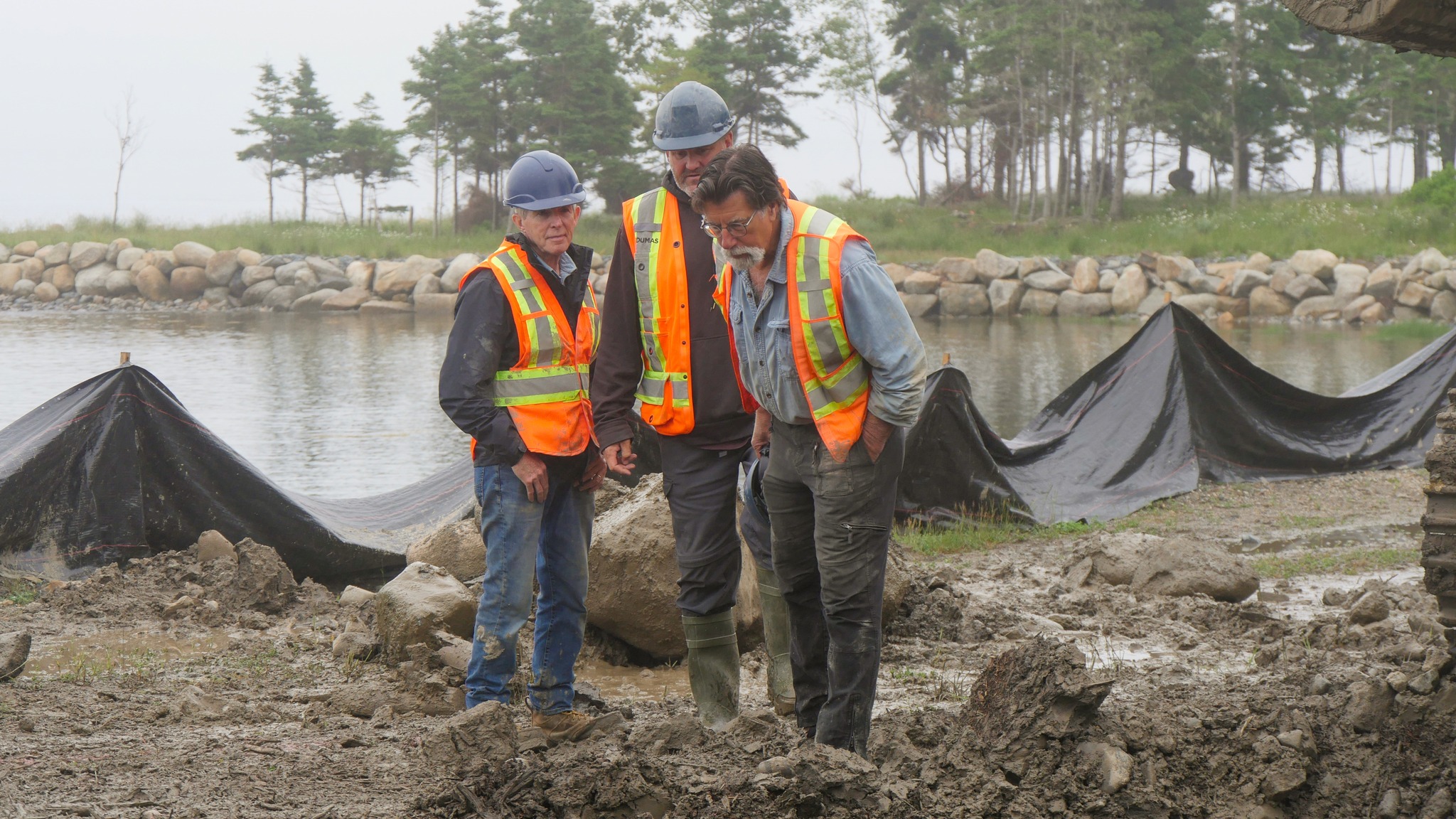
But it was the Money Pit area that delivered the episode’s most dramatic moments. A new borehole was drilled, guided by promising GPR data from the previous week. However, the core samples pulled were underwhelming: just mud and wood fragments. No trace of treasure.
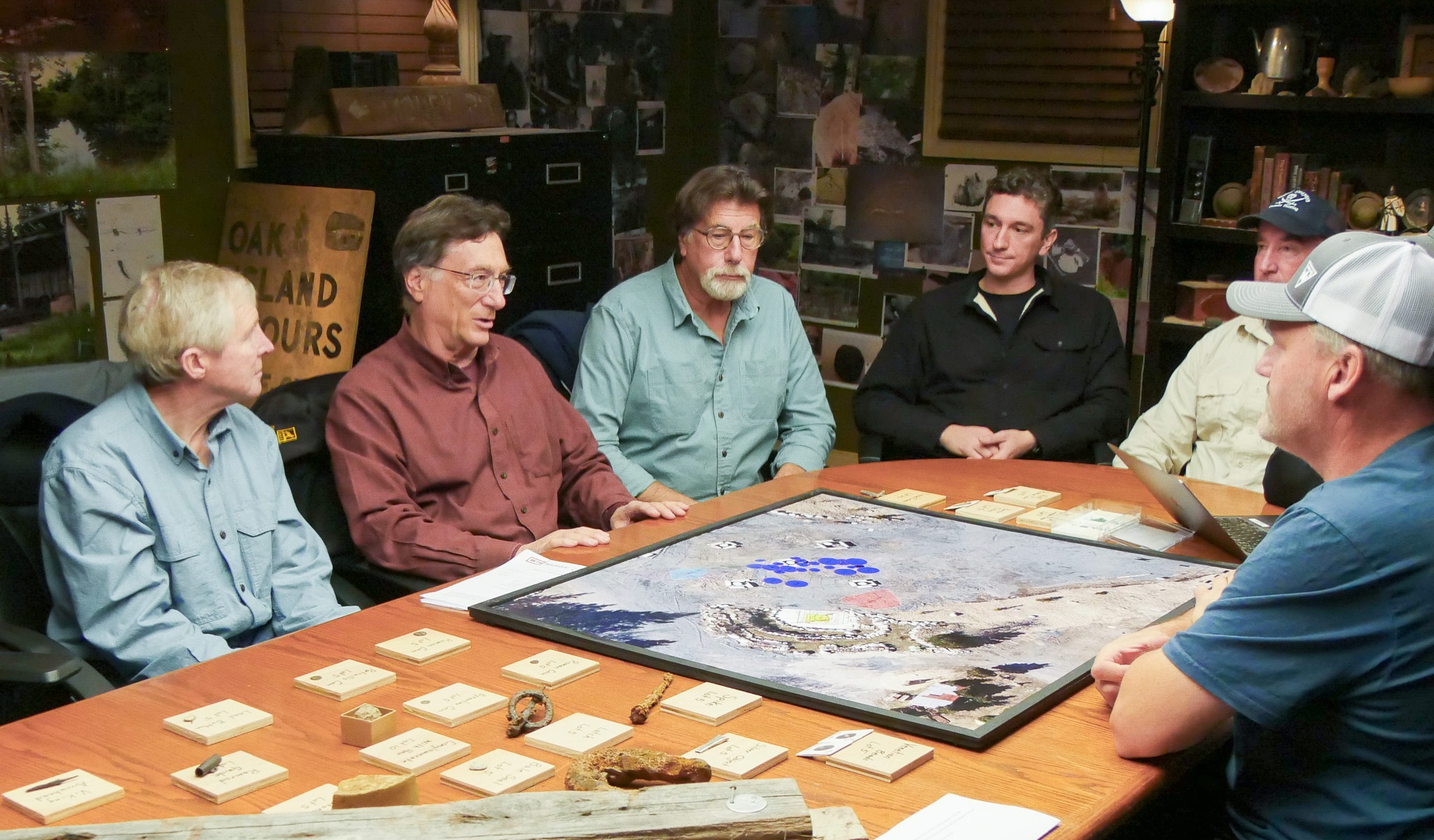
In a somber War Room meeting, geoscientist Dr. Ian Spooner revealed troubling water test results. The so-called “Golden Egg,” “Baby Blob,” and other previously hyped anomalies showed no significant metal presence. The implication: years of hope might have been placed on false leads.
Despite the crushing news, the team uncovered glimmers of optimism. A borehole on the fringe of the Money Pit zone hinted at a possible offset chamber. And truckloads of metal may still be buried in areas overlooked in past digs. These developments rekindled a sense of possibility.
Is the Money Pit a Myth?
The broader implications of the new scientific data, however, cast a long shadow. Radar imaging and geological analysis now suggest the Money Pit might not exist in the form it’s been imagined for over two centuries. The subsurface scans revealed natural fissures not manmade tunnels.
“We expected to see voids or channels. Instead, we found uniform geological layering,” explained project manager Scott Barlow. Dr. Spooner added that the untouched sediment strongly indicates no human interference.
The foundation of the legend itself has come under scrutiny. Charles Barkhouse and Doug Crowell are re-examining original documentation and question whether the original 1795 story was based on misinterpreted natural sinkholes. Even the infamous 90-foot stone, which allegedly held a coded treasure message, lacks any verified photograph or transcription.
Faith vs. Frustration
For Rick Lagina, the emotional weight of this potential turning point was evident. “This island has given us breadcrumbs, clues, heartbreak and hope,” he reflected. Marty Lagina, ever the pragmatist, insisted the team must “follow the data wherever it leads.”
Yet, all is not lost. The swamp’s stone road, the Lot 5 finds, and the persistent trace metals in surrounding areas hint that Oak Island’s secrets may lie beyond the Money Pit. Emma Culligan’s data analysis remains critical, and Gary Drayton’s sharp eye continues turning up artifacts with 18th-century origins.
The Road Ahead
The Fellowship of the Dig now stands at a crossroad: continue chasing the ghost of the Money Pit or refocus on emerging areas of interest. One thing remains clear: the mystery endures.
In Rick’s words: “Maybe the treasure is truth. Maybe the treasure is knowledge. But one thing’s certain—we’re not done asking questions, and we’re not done digging.”
The hunt for Oak Island’s ultimate truth and whatever may lie beneath continues.
