
Oak Island, Nova Scotia – In a thrilling turn of events, the treasure-hunting team on Oak Island has made groundbreaking discoveries that could bring them closer than ever to solving the island’s centuries-old mystery. Season 12, Episode 9 of The Curse of Oak Island saw an array of astonishing finds, from an ornate copper button dating back to the late 1600s to a mysterious underground void at 157 feet—possibly the long-rumored Chapel Vault. Could this finally be the breakthrough that treasure hunters have dreamed of for generations?
A Button That Could Rewrite History
One of the most exciting finds came in the form of an intricately designed copper button, adorned with floral patterns and estimated to be from the late 1600s. Experts believe the artifact may be linked to Sir William Phips, the famed English privateer rumored to have hidden a portion of his recovered Spanish treasure on Oak Island. If verified, this small relic could provide a tangible connection between Oak Island’s treasure legends and real historical figures.
The Money Pit’s Secret: A Vault at 157 Feet?
The team’s drilling operation in the infamous Money Pit has revealed a massive underground void at a depth of 157 feet, aligning with past speculation about the existence of the Chapel Vault. With core samples containing fragments of wood and grainy material, the evidence strongly suggests the presence of a man-made chamber. Could this be the long-lost treasure trove hidden beneath Oak Island?
However, past excavations have shown that the Money Pit is riddled with collapses, misleading tunnels, and possible booby traps. If this void is indeed a treasure chamber, careful excavation will be key to unlocking its secrets without damaging any potential artifacts.
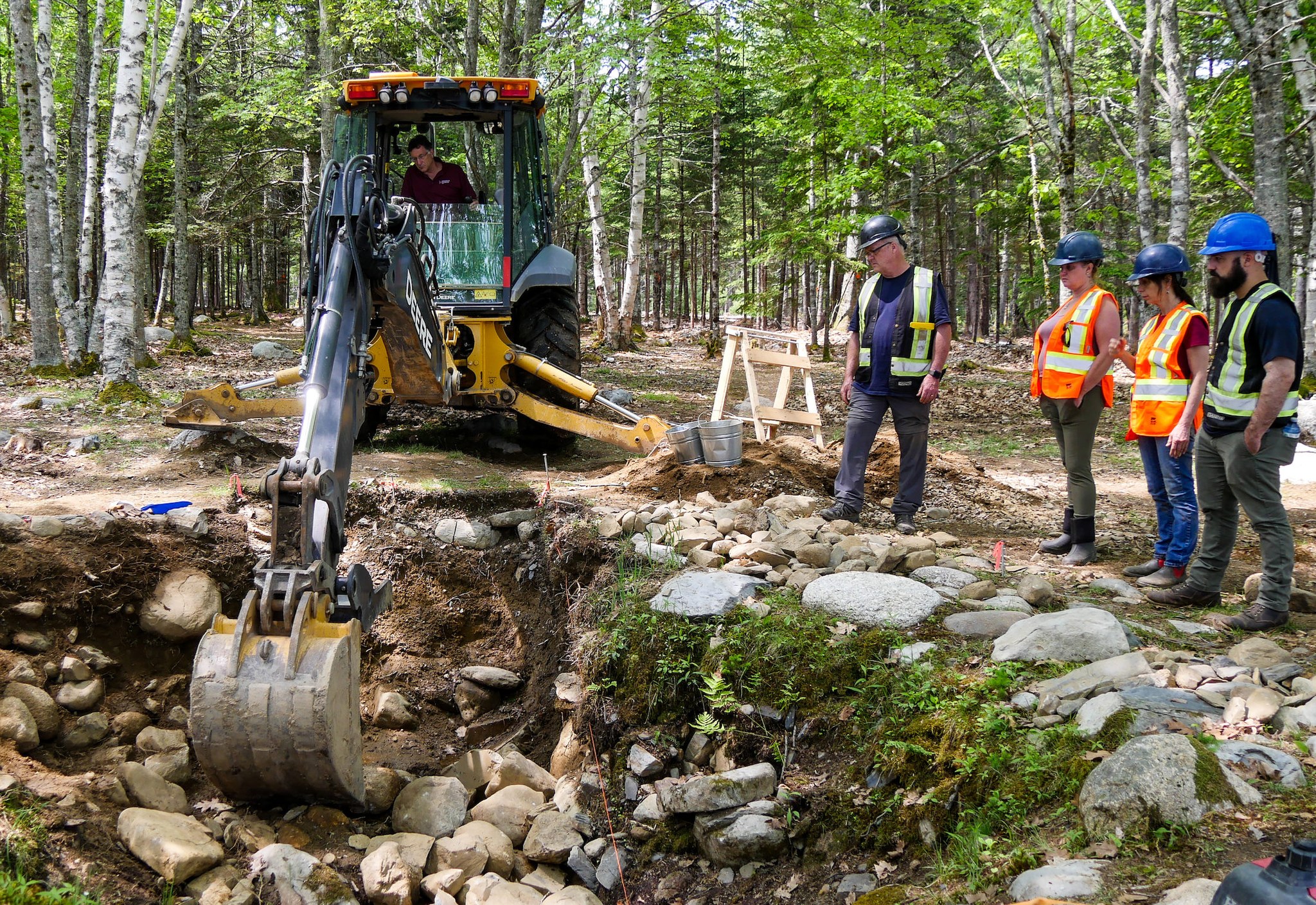
A Buried Brick and Slate Mystery in the Swamp
Adding to the excitement, the team uncovered a brick and slate structure buried beneath layers of muck in the northern swamp. Initial observations suggested a weathered foundation, but further analysis indicated that this could be something far more significant.
Experts speculate that the structure may be linked to Anthony Graves, a 19th-century Oak Island resident rumored to have discovered a stash of silver coins. Alternatively, it could be connected to earlier settlers or even the original builders of the Money Pit. Dr. Ian Spooner and his team are conducting further analysis to determine its exact purpose and age.
New Clues: The Swamp’s Hidden Role in Oak Island’s Past
The swamp continues to be a hotspot for significant discoveries. Some researchers believe it may have once been a harbor, with the newly discovered structure serving as a depository for offloaded treasure. If this theory holds, the swamp may contain hidden tunnels leading directly to the Money Pit, reinforcing the notion that Oak Island’s treasures are part of an elaborate underground network.
Advanced Technology, Ancient Secrets
Modern technology is playing a crucial role in unlocking Oak Island’s mysteries. The CT scan of the copper button revealed multi-layered craftsmanship rarely seen in artifacts from that era, reinforcing the belief that it belonged to someone of high status. Meanwhile, high-powered drilling rigs and XRF mapping continue to provide deeper insight into the hidden structures and materials beneath the surface.
What’s Next?
With each discovery, new questions arise. The team now faces several pressing mysteries:
- Could the 157-foot void be the legendary Chapel Vault?
- What is the true purpose of the brick and slate structure in the swamp?
- Will further excavation reveal tunnels connecting the swamp to the Money Pit?
As Oak Island continues to reveal its secrets, one thing is certain: the treasure-hunting team is closer than ever to a historic breakthrough. Whether they uncover gold, historical artifacts, or long-lost documents, the journey itself is proving to be one of the greatest archaeological adventures of all time.
Stay tuned for more updates as the search for Oak Island’s lost treasure intensifies.
