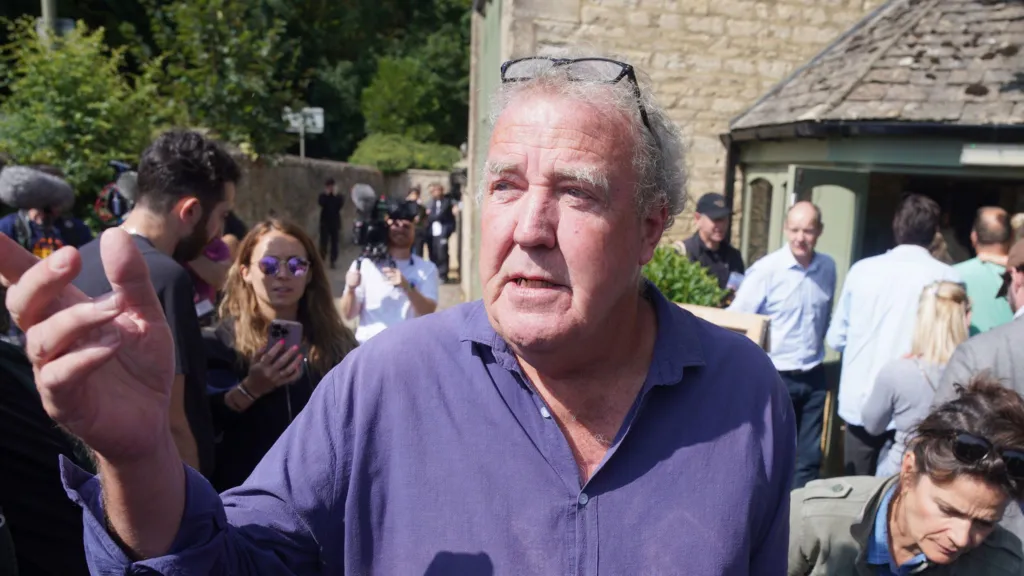
TV personality and farming advocate Jeremy Clarkson has announced devastating news for his agricultural venture: his Oxfordshire farm, Diddly Squat, has been struck by a case of bovine tuberculosis (TB). The former Top Gear host shared the update via a heartfelt post on social media platform X, formerly known as Twitter, expressing that everyone involved with the farm is “absolutely devastated” by the development.
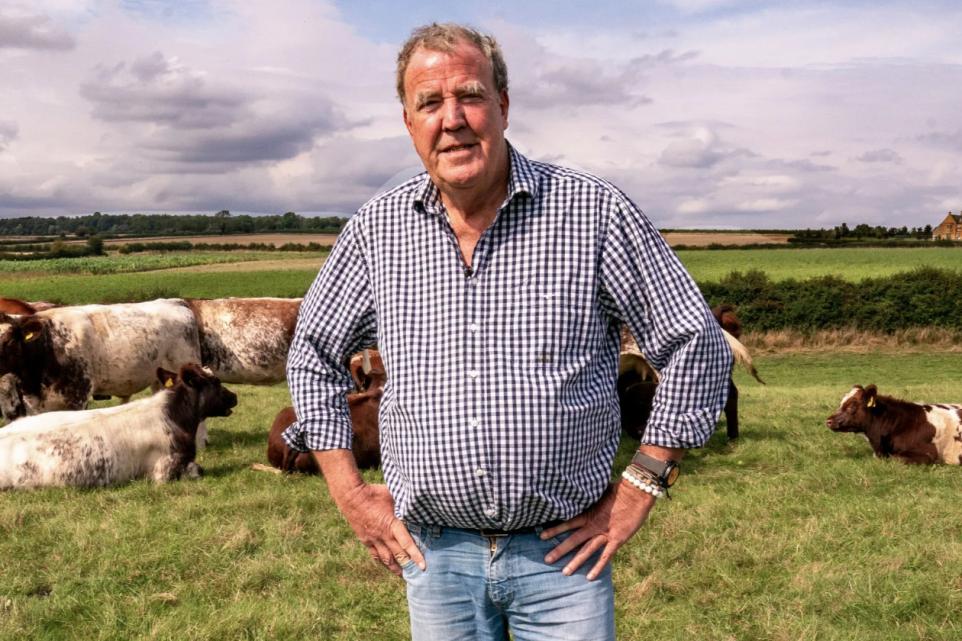
The infected animal is one of the cattle featured in Clarkson’s Farm, the popular Amazon Prime Video docuseries that chronicles Clarkson’s often humorous but deeply committed foray into the challenges of British agriculture. Tragically, the cow that tested positive is also pregnant with twins — a revelation that adds a heartbreaking layer to the situation.
What Happens Now?
Under current UK government regulations, any cattle that test positive for bovine TB — or have two consecutive inconclusive test results — are classed as “reactors.” These animals must be immediately isolated and then sent for slaughter, regardless of their health otherwise or whether they are carrying unborn calves. This mandatory measure is designed to prevent the disease from spreading to other livestock or wildlife.
This means that the pregnant cow at Diddly Squat Farm, despite its unborn calves, will likely face this outcome — a decision that is bound to weigh heavily on Clarkson and his team, who have become known for their emotional investment in their animals and the broader farming lifestyle.
The Threat of Bovine TB
Bovine tuberculosis is a serious and contagious disease that affects cattle and can also infect other mammals, including badgers, deer, domestic pets, and even humans. Though transmission to humans is rare due to modern food hygiene and pasteurisation methods, the disease is still classified as a zoonotic risk.
Primarily a respiratory illness, bovine TB spreads through close contact, typically nose-to-nose interaction, but it can also be transmitted via bodily fluids including saliva, urine, faeces, and milk. In dense cattle herds or mixed wildlife-livestock environments, the disease can spread quickly and is difficult to control once it takes hold.
For farmers, the economic and emotional toll of bovine TB can be devastating. In addition to the loss of individual animals, farms with confirmed cases often face movement restrictions, increased veterinary oversight, and repeated rounds of testing — all of which can significantly disrupt day-to-day operations and financial planning.
Government Response and Badger Controversy
Bovine TB has long been a contentious issue in British farming policy, particularly surrounding the role of badgers in transmitting the disease. Scientific studies have shown that badgers can be carriers of TB and may contribute to its spread, especially in rural areas where cattle and badgers share grazing land.
In response, successive UK governments have implemented badger culling programs in high-risk zones, a move that has sparked fierce criticism from wildlife conservationists and animal welfare groups. Opponents argue that culling is inhumane and often ineffective, advocating instead for vaccination and stricter farm biosecurity measures.
However, in a significant policy shift, the Government recently reaffirmed its intention to phase out badger culling entirely and not to expand the program. This announcement comes as part of its wider TB eradication strategy and is expected to impact how farmers manage TB risks going forward.
A TB “Edge Area”
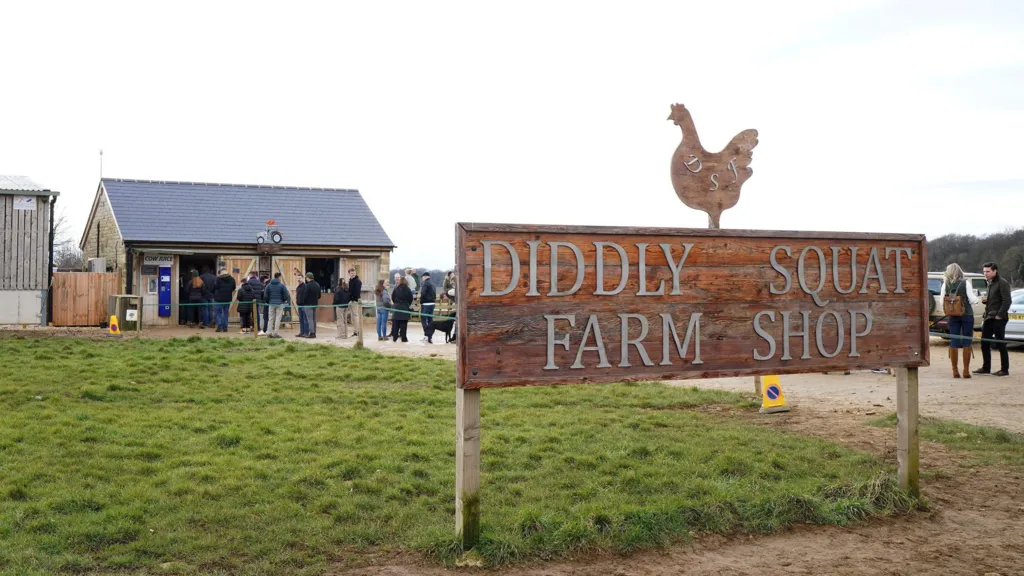
Diddly Squat Farm is located in Chadlington, Oxfordshire, which falls within what’s known as a TB “edge area.” These regions act as buffer zones between high-risk and low-risk zones and are subject to strict disease monitoring. As a result, herds in Oxfordshire are required to undergo TB testing every six months by default — a rigorous standard that aims to catch infections early and limit their spread.
According to ibTB, a government-supported mapping platform for tracking bovine TB outbreaks in England and Wales, several cases have been recorded recently in areas close to Clarkson’s farm. This suggests the disease may be circulating locally, increasing the risk for neighboring farms and reinforcing the importance of surveillance and containment.
Clarkson’s Farming Struggles Continue
Since launching Clarkson’s Farm, Jeremy Clarkson has gained widespread respect for shining a light on the often overlooked struggles of British farmers — from red tape and weather challenges to economic uncertainty and mental health issues. While his initial venture into farming was met with skepticism due to his celebrity status, Clarkson has become a surprisingly powerful voice for rural communities.
This latest setback is a stark reminder of the unpredictable and often brutal nature of agriculture. Even with resources, media attention, and a passionate team, no farmer is immune to the hardships posed by livestock diseases.
As fans and fellow farmers express their sympathy online, one thing is clear: the emotional bond between Clarkson and his animals is not for show. The loss of a pregnant cow — and the potential impact on the rest of his herd — is not just a logistical problem but a deeply personal blow.