Mystery Unearthed: Concrete Clues and Forgotten Artifacts Shed Light on Oak Island’s Secrets

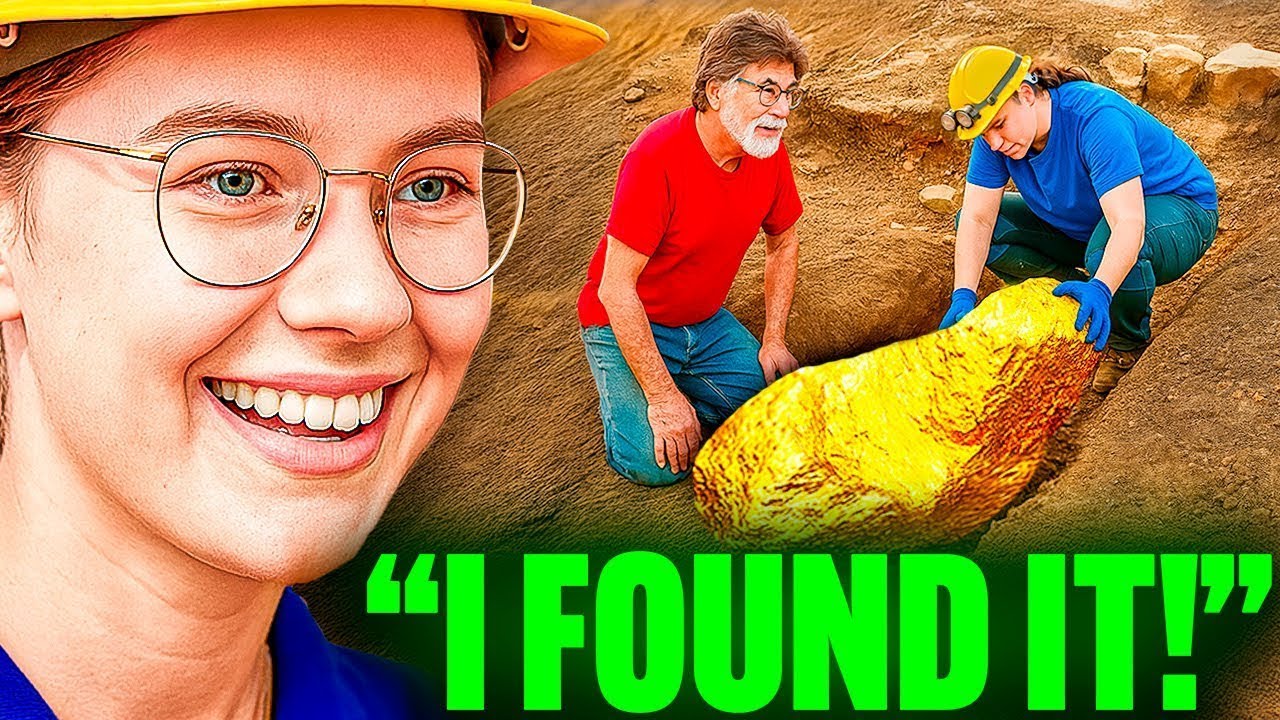
SMITH’S COVE, NOVA SCOTIA — For over two centuries, Oak Island has been the center of a global treasure hunt, haunted by whispers of pirate gold, secret societies, and deadly booby traps. Now, recent discoveries by geoscientist Emma Culligan and the Lagina-led excavation team may have cracked open an entirely new chapter in this enduring mystery—one not of gold doubloons, but of concrete, coconut husks, and cast iron.
The recent excavation at Smith’s Cove has revealed startling evidence suggesting an advanced flood control system, possibly man-made, dating back centuries. But it’s a fragment of concrete—analyzed by Culligan using X-ray diffraction (XRD)—that’s turned heads across both the scientific and treasure hunting communities.
“This cement isn’t ancient,” Culligan reported. “It dates between the 1920s and 1970s and contains Portlandite, a key component of Portland cement, likely sourced from Quebec.”
This revelation rules out early treasure depositors and points instead to the Restall family, a 1960s group of dedicated searchers who may have used cement in attempts to seal the island’s fabled flood tunnels—a system designed to drown out any effort to reach the mysterious Money Pit.
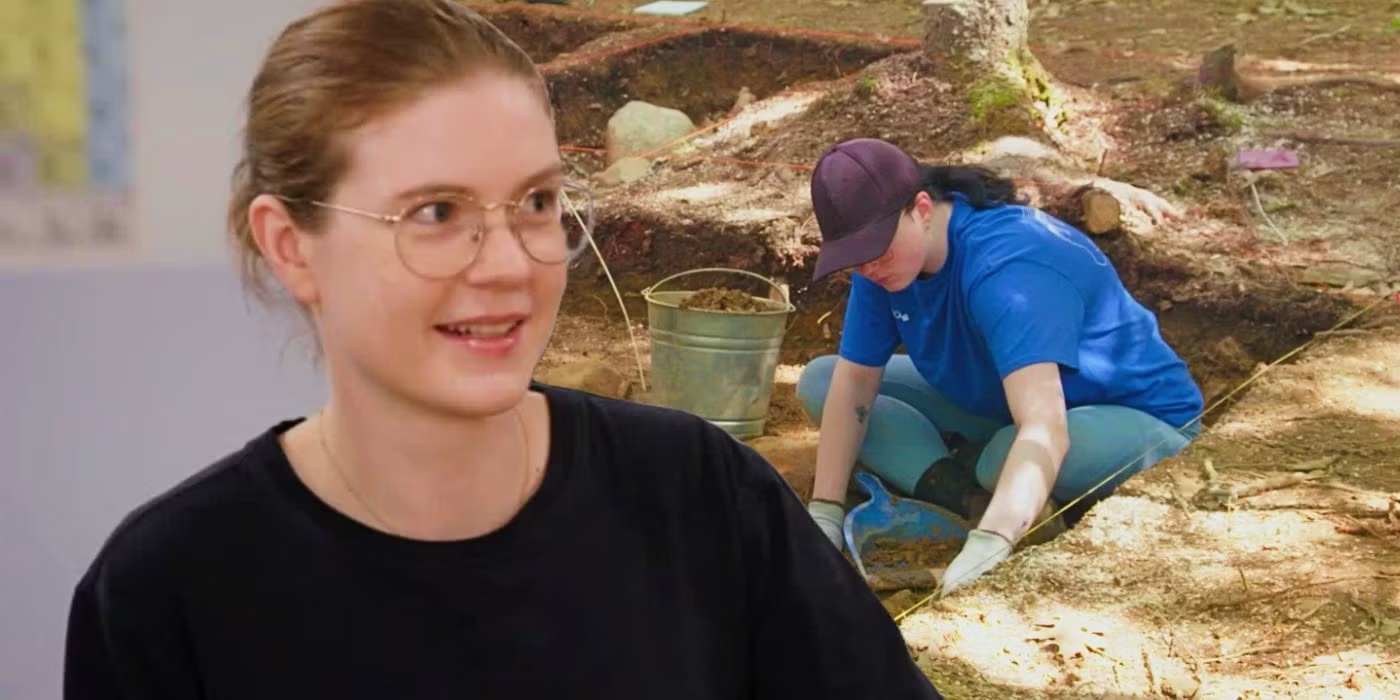
A Tale of Water and Wits
Supporting this theory is the rediscovery of the box drain system, a carefully constructed network of stone-lined channels buried beneath Smith’s Cove. These channels were covered in an unlikely tropical import: coconut husk—used to filter seawater.
Why coconut? “It’s not native to Nova Scotia,” said historian Chip Reed. “That material had to be imported, likely centuries ago. Whoever built this system knew exactly what they were doing.”
These discoveries echo findings made by the Truro Company in 1849, who reported seeing seawater rush into the Money Pit after reaching 86 feet. Their investigation led them to Smith’s Cove, where they uncovered five ‘finger drains’ and layers of beach stone, all cleverly engineered to sabotage any direct dig toward the treasure.
Engineering or Erosion?
Not everyone is convinced. Some experts suggest that Oak Island’s underground channels may be naturally occurring, the result of karst topography, a geological phenomenon where water erodes limestone to form caves and sinkholes.
Yet, beams, stacked cobbles, and stone-lined shafts tell a different story. If this was just nature’s doing, why the signs of human engineering?
The mystery deepens.

Cast Iron and Campfires: A Glimpse Into the Past
While searching the area, metal detectorist Gary Drayton uncovered another relic: a cast iron stove door, buried deep in Smith’s Cove. At first, it was mistaken for potential treasure. But analysis revealed the piece dates to the mid-1800s, the same era as the Churro and Oak Island Companies’ early treasure hunts.
“People weren’t just digging here,” Culligan noted. “They were living here. Working. Surviving the harsh winters as they searched.”
The stove door is not alone. Other cast iron remnants have been found across the island, suggesting Oak Island once hosted an industrious community, not just of treasure hunters, but of builders, laborers, and possibly miners.
Technology Meets Myth
What separates today’s efforts from those of the past is the deployment of cutting-edge technology. Ground-penetrating radar (GPR), seismic scanning, and X-ray fluorescence (XRF) are now standard tools.
A seismic survey conducted by Eagle Canada involved detonating over 18,000 microcharges to map the subsurface down to 300 feet, revealing voids and tunnels beneath the island. Drilling operations have recently uncovered sand layers and clay-packed anomalies beneath Lot 27 and near Shaft 9, possibly connecting to the long-sought Money Pit.

A Final Breakthrough?
The discovery of what may be a sluiceway connecting Shaft 9 to the southern shore has reinvigorated hopes. Water poured into the excavation as workers unearthed old wooden planks and compacted clay—clear signs of human intervention.
Now, all eyes are on Smith’s Cove. Could this be the final piece of a centuries-old puzzle? Or just another dead end in a labyrinth of legends?
“It’s not just about treasure anymore,” says Rick Lagina. “It’s about truth. About understanding what happened here and who left these clues behind.”
Join the Conversation
Could Oak Island’s secrets finally be within reach? Or are we just digging deeper into myth? Share your thoughts with us at [email protected].