From Fire to Redemption: How One Controversial Moment Sparked a Decade of Consequences and a Comeback

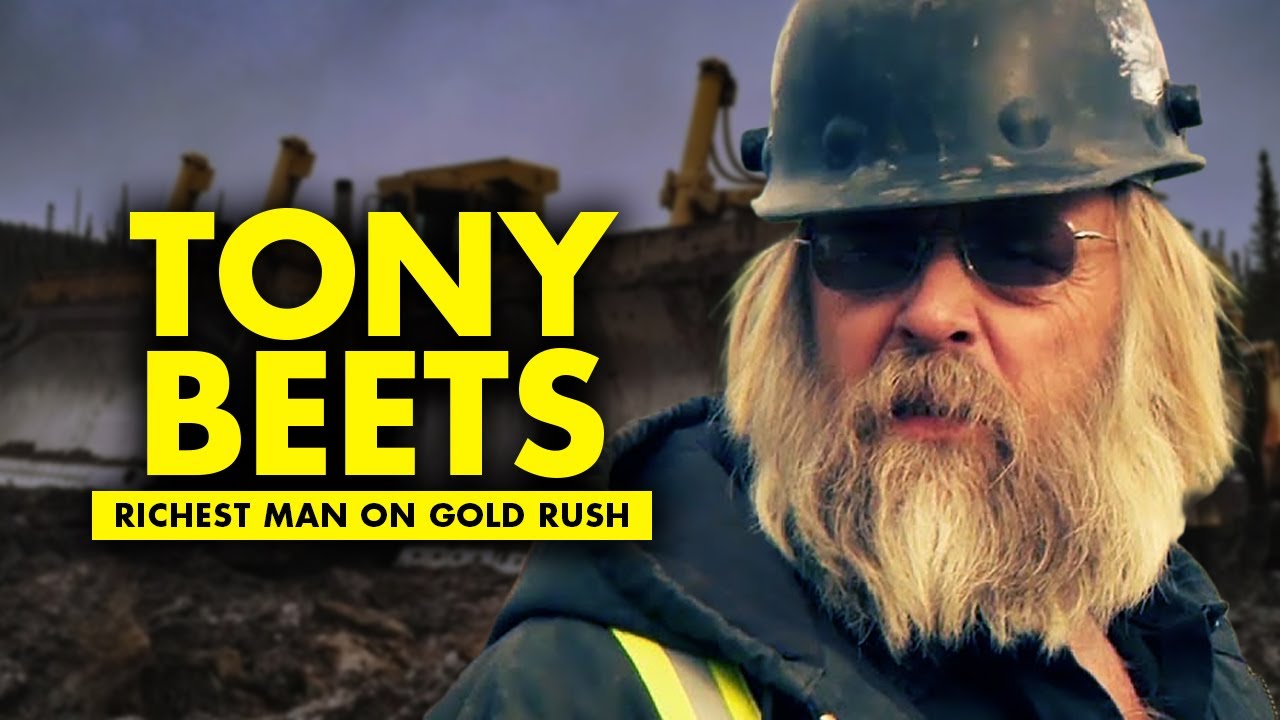
DAWSON CITY, YUKON – Nearly a decade after a jaw-dropping stunt aired on Discovery Channel’s Gold Rush, miner Tony Beets is still battling the fallout of what was once dismissed as a “joke gone bad.” The infamous 2017 “Viking Funeral” episode, in which a crew member poured gasoline into a dredge pond and lit it ablaze, may have created memorable TV—but it also lit a regulatory fire that continues to haunt the veteran miner’s career.
The incident, intended as a symbolic farewell for welder Mark Favron’s last day on the job, was approved in passing by Beets. Favron and another crew member carried out the fiery stunt while the team cheered on. But Yukon authorities, watching the broadcast later, didn’t see a light-hearted sendoff. They saw a flagrant violation of the Yukon Waters Act.
Favron was fined $1,725 for polluting the water, but as the boss and landholder, Beets bore the brunt of the consequences. Failing to stop or report the act, he and his company, Tamarack Inc., were brought before the Yukon Territorial Court and ordered to pay over $31,000 in fines and legal fees.
Environmental officials emphasized the seriousness of the violation. Senior water scientist Brendan Mulligan noted that gasoline in water—even in small amounts—can cause catastrophic ecological harm. “This wasn’t just a prank,” Mulligan said. “It was environmental damage.”
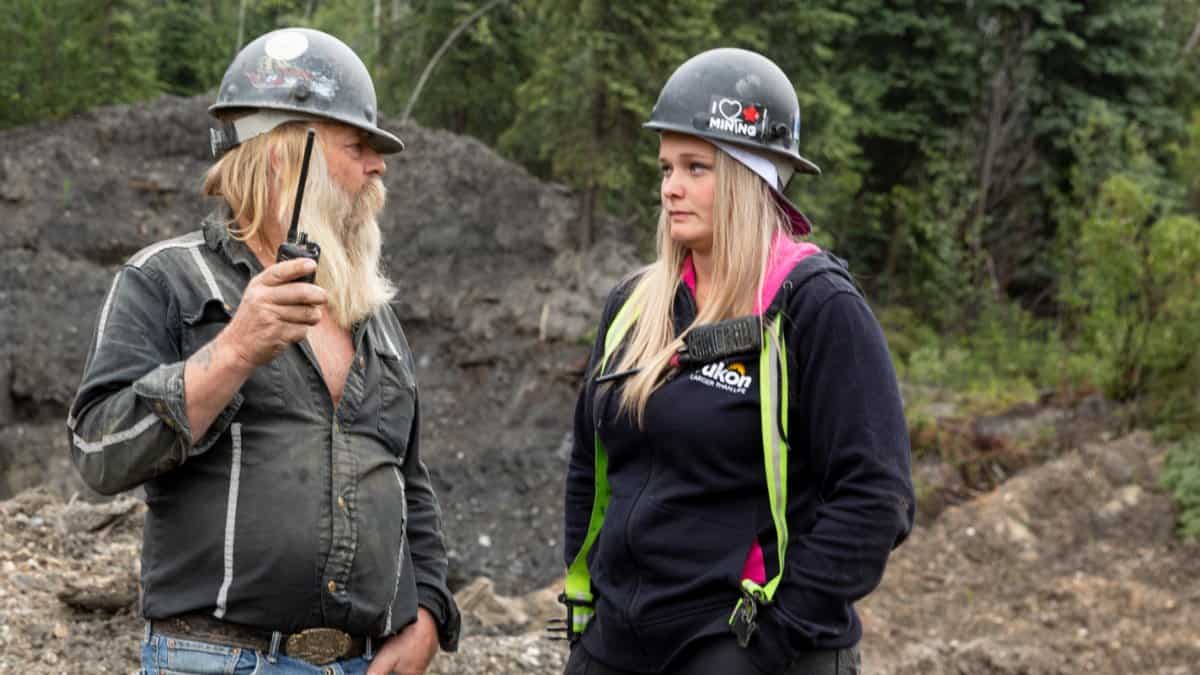
In the tightly regulated Yukon mining scene, the consequences have been long-lasting. Beets has since faced increased scrutiny over his operations, particularly regarding water license renewals—permits essential to running any mining effort in the region. On social media platforms like Reddit, fans speculate that this incident is a key reason for his licensing difficulties, pointing to strained relationships with local regulators and First Nations authorities.
To make matters worse, Beets has also drawn criticism for failing to adequately reclaim mined land, a stark contrast to his on-screen rival, Parker Schnabel, who’s been praised for his environmental stewardship.
Still, the man known as the “King of the Klondike” has refused to fade quietly into the wilderness.
FROM DISASTER TO DETERMINATION
Following the court case, Beets admitted fault and took steps to regain the trust of both regulators and fans. Behind the scenes, he tightened operational standards at Tamarack, modernized equipment, and instilled a greater focus on environmental compliance.
Rather than disappearing under the weight of scandal, Beets doubled down. In subsequent Gold Rush seasons, he returned with even bigger operations—reviving dormant claims, moving massive wash plants, and involving his children Monica, Kevin, and Mike in more leadership roles. Tamarack Inc. slowly evolved from a rough-and-tumble outfit into a family-driven enterprise, built not just on muscle, but on legacy.
“Tony’s not the same man he was in 2017,” said one crew member familiar with the changes. “He still swears like a sailor, but he takes the rules a hell of a lot more seriously.”
Even Parker Schnabel has reportedly acknowledged the scale of Beets’ operations and his resilience in the face of adversity.
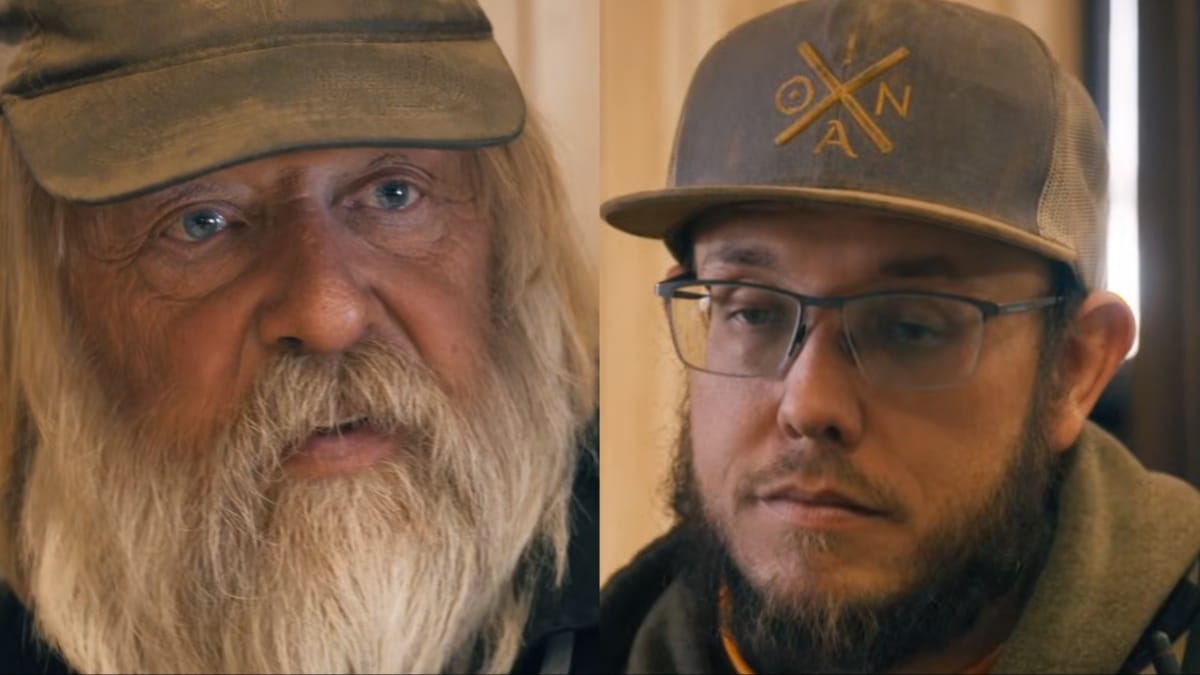
A LEGACY AT A CROSSROADS
The Viking funeral may remain a dark stain on Beets’ record, but it hasn’t extinguished his career. If anything, it ignited a new chapter—one driven by reflection, redemption, and resolve.
Today, Tony Beets continues to mine with grit and determination. But unlike the reckless fire of 2017, the flame now burns with renewed purpose. Whether that’s enough to erase doubts in the eyes of regulators remains to be seen.
But one thing is certain: in the unforgiving world of Yukon mining, Tony Beets isn’t done yet.