A Trip to Clarkson’s Farm Exposed the Truth: The Cotswolds Attraction Banking on Fans Falling for the Hype

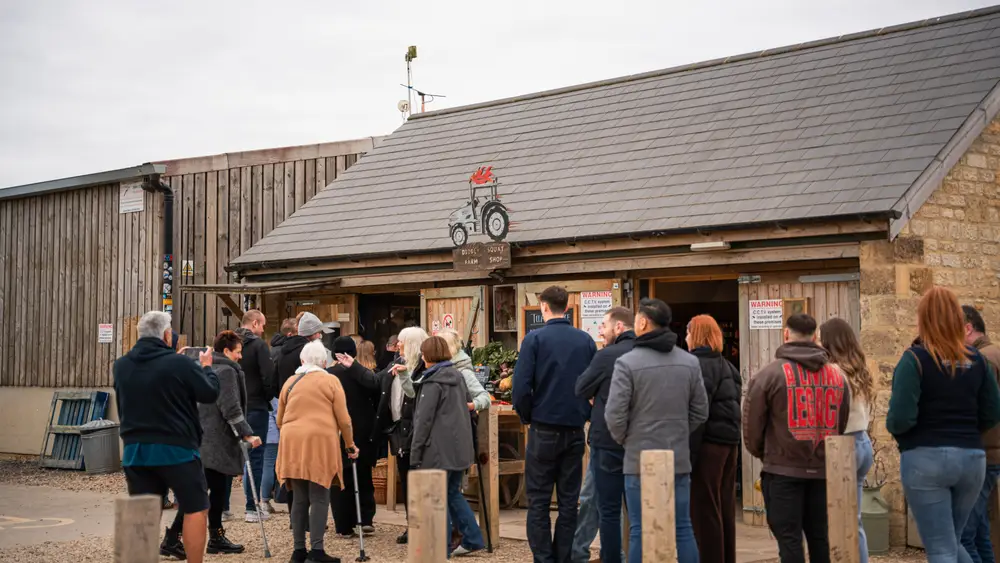
Half an hour into queuing for the Diddly Squat Farm Shop, the centerpiece of Jeremy Clarkson’s “Clarkson’s Farm” venture in the picturesque Cotswolds—often called the “Hamptons of England” for its appeal to weary urbanites—I began questioning my life choices. I’d ventured to this idyllic region west of England to investigate why it’s become such a magnet for American tourists in recent years, drawing crowds seeking a slice of quintessentially British countryside charm. Through conversations with locals and visitors alike, it became evident that Prime Video’s hit series “Clarkson’s Farm,” which chronicles the bombastic presenter’s bumpy transition from TV host to novice farmer (and now pub owner), is a primary lure for transatlantic fans.
As someone who’d never actually watched the show, I found myself on an impromptu Clarkson-themed pilgrimage, guided by insights from those in the know. An American influencer based in the Cotswolds, Audrey Ann Masur, 37, who hails from rural Indiana and has called the area home for five years, explained its resonance in a cozy coffee shop in Stow-on-the-Wold. “My friends back home in Indiana absolutely love it—they relate to the farming struggles,” she said. “I’ve even had people offering to pay me to ship merch from Jeremy’s shop to their boyfriends because they’re obsessed with Clarkson.”
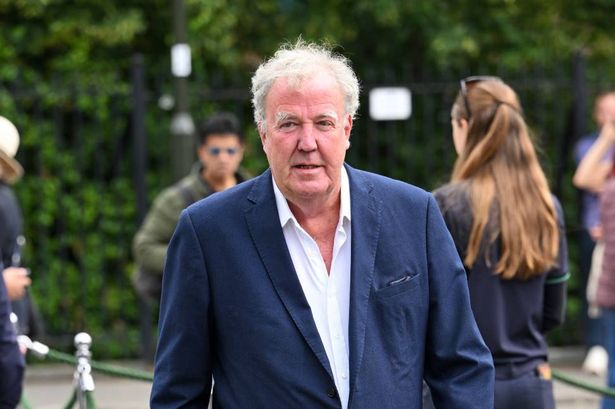
Tour operators have capitalized on this fervor, offering guided excursions to key filming locations. Glenn Osborne, owner of Go Tours, told me his clientele is predominantly American, eager to visit the sites in person and snag that perfect social media snap. “They want the real deal—the farm, the brewery, the pub,” he noted. The show’s popularity is undeniable: its second season holds the title of Prime Video’s most-watched UK original, with a fifth season already in the works. Scattered across the Cotswolds are the hotspots—Diddly Squat Farm (over 1,000 acres strong), Hawkstone Brewery, and the Farmer’s Dog pub complex—forming a unofficial trail for devotees.
My journey kicked off at Diddly Squat itself, where Masur had tempered my expectations: “There’s not a ton there—it’s not super quaint or picture-perfect English, but it represents something bigger, like that gritty farming life.” Arriving on a gloomy October weekday afternoon, I was surprised by the organized chaos: an events team directing traffic into a sprawling parking lot rivaling that of a mid-sized mall, crammed with family SUVs, hatchbacks, and even vehicles toting bikes. Despite the drizzle, the setup was efficient, hinting at how much more intense it must be during summer peaks.
A brief stroll from the lot led to the farm shop, but my enthusiasm waned upon spotting the snaking queue of families, elderly couples, and friend groups, all buzzing about Clarkson and the series. Online forums and local chats had warned of waits up to three hours, so I steeled myself. Some queue-jumpers detoured to a nearby bar for pints of Clarkson’s Hawkstone lager to pass the time. I endured nearly an hour—49 minutes precisely—chatting idly, eavesdropping on excited discussions, and gazing at the verdant fields. Around 40 minutes in, distractions appeared: crates of fresh produce and a “cow juice dispenser” for filling bottles with milk, adding a touch of novelty.
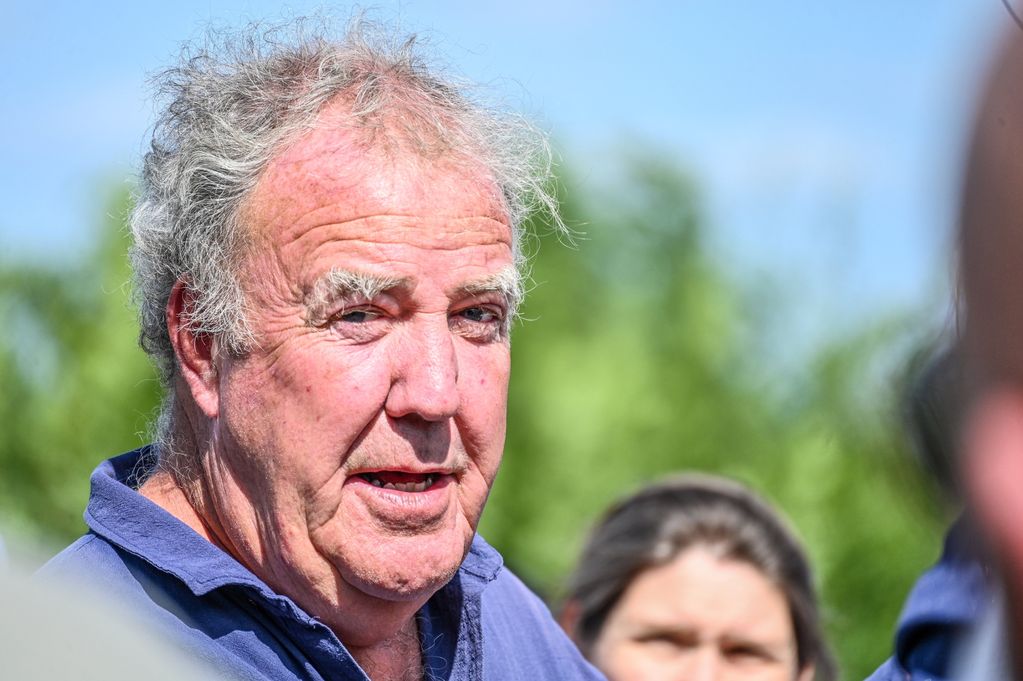
Finally inside, the shop—a modest, shed-like structure—proved underwhelming for a non-fan like me. Shelves groaned under jars of jam, honey, and local goods, with show-inspired labels like “Cow Juice” (milk) and “Bee Juice” (honey) injecting humor. The cramped space forced shoulder-to-shoulder shuffling toward the till, reminiscent of countless other rural farm shops dotting the English countryside. Yet, for Clarkson enthusiasts—especially those new to such settings—it likely holds more allure. Osborne emphasized managing expectations on his tours: “We skip it sometimes if lines are too long or if folks might not spot Jeremy—disappointment isn’t the goal.”
Exiting empty-handed (though a cheeky T-shirt proclaiming “I spent 49 minutes lining up outside the Diddly Squat Farm Shop and all I got was this lousy T-shirt” tempted me), I wandered the public-accessible farm grounds on foot, with drivable paths offering more views. Iconic show elements popped up: the whimsically named “Vulva Lake,” distant glimpses of Clarkson’s ill-fated restaurant, and signage perfect for fan photos. Even under gray skies, the Cotswolds’ undulating hills and expansive farmland exuded timeless beauty, with tourists pointing excitedly at landmarks that meant zilch to me but everything to viewers.
American devotion was palpable. En route to my next stop—a 25-minute drive to The Farmer’s Dog—I stopped at the upscale Daylesford Organic farm shop and chatted with Brian and Cindy Quinn from Michigan. Fresh off a cruise and bound for a flight home, they’d booked a Go Tours “Clarkson’s Farm” excursion from London. “Seeing the actual places from the show is awesome,” Cindy enthused. Brian added with a grin, “I’m half-expecting Jeremy to buzz overhead in a plane—he’s got the cash for it. The views are stunning.”
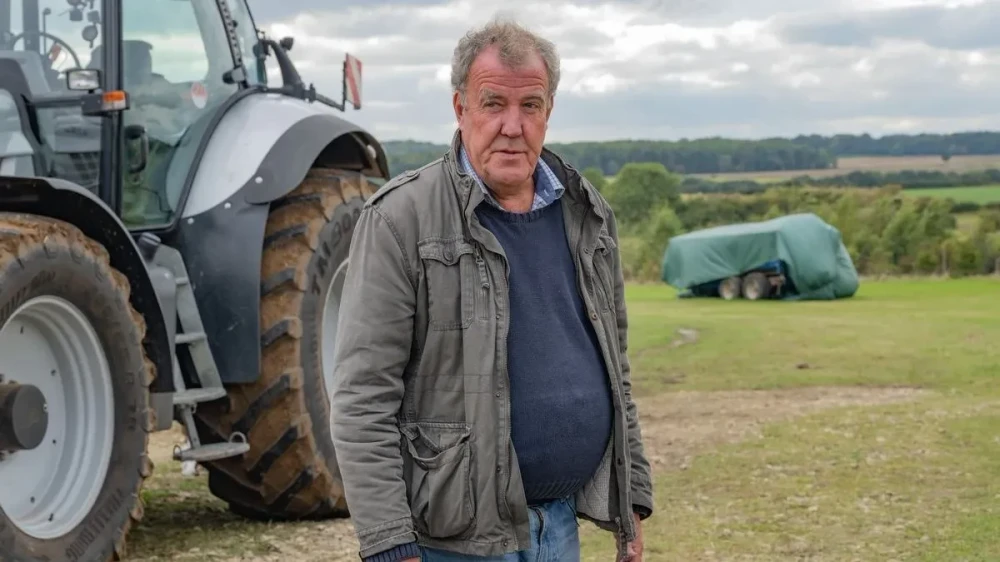
The Farmer’s Dog complex didn’t disappoint in scale, though it echoed the farm’s busyness. Its parking lot overflowed, stretching endlessly, making me shudder at the thought of peak-season crowds. A quick jaunt across a country lane and through a wooded path (patrolled by security) built anticipation. Outgoing visitors beamed, lugging crates of Hawkstone beer or bags of merch, suggesting more substance here.
The pub itself required reservations, but the grounds buzzed with activity: older patrons at picnic tables savoring burgers and brews. A central tent housed a short queue for food (mere minutes) and an even quicker bar line, fostering a lively, mini-festival atmosphere. A “Grand Tour” sign paid homage to Clarkson’s other ventures, while stalls offered butchers’ cuts, Clarkson-branded edibles and drinks, and souvenirs. For the first time that day, it felt engaging—vibrant enough to linger.
That said, if premium meats, craft beers, or gourmet snacks were my aim, I’d opt for grander Cotswolds staples like Daylesford or Burford Garden Company, sans the Clarkson branding. Overall, my low expectations met mild disappointment: both sites felt overhyped for casual visitors. Superfans, however, would revel in the immersion, as Clarkson transforms mundane farmland into must-see attractions.
In reflection, perhaps queuing those 49 minutes would’ve been better spent streaming an episode—I might’ve grasped the fervor. Still, for non-devotees, the Cotswolds offers richer, queue-free experiences. Diddly Squat declined to comment.