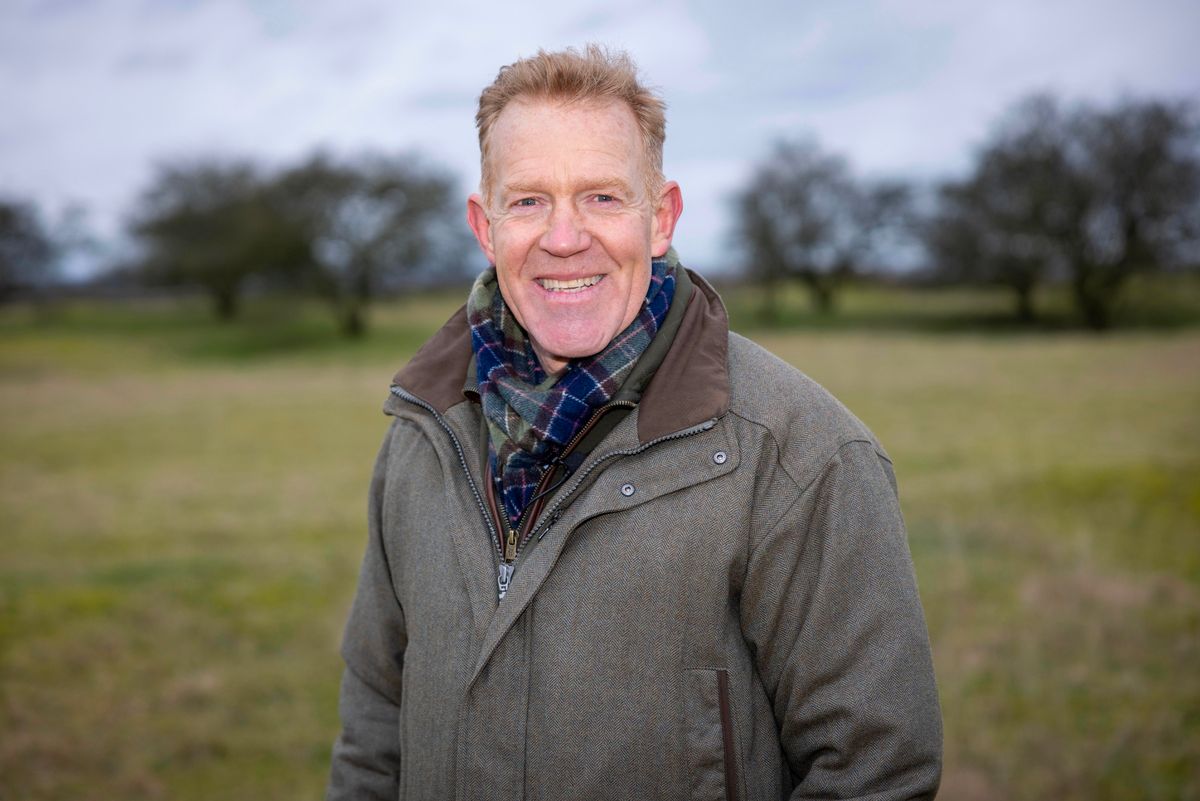
BBC Countryfile presenter Adam Henson has taken aim at Clarkson’s Farm, sharing a thoughtful yet pointed critique of the hit Amazon Prime series for portraying a version of farming that differs sharply from his own real-world experience.
Henson, 58, who has presented the long-running BBC programme since 2001 and runs Cotswold Farm Park with his wife, Charlie, is one of Britain’s most familiar faces in agricultural broadcasting. Living in the heart of the Cotswolds, he counts several celebrities among his neighbours — including Jeremy Clarkson, Ellen DeGeneres, and David Beckham — yet his perspective on rural life contrasts significantly with the one depicted at Clarkson’s Diddly Squat Farm in Chadlington.
Speaking candidly on the Grounded farming podcast, Henson praised Clarkson’s Farm for sparking national interest in agriculture and opening urban audiences’ eyes to the realities of rural work. However, he expressed concern that the show often highlights hardship and failure, overshadowing the many success stories found across the British farming community.
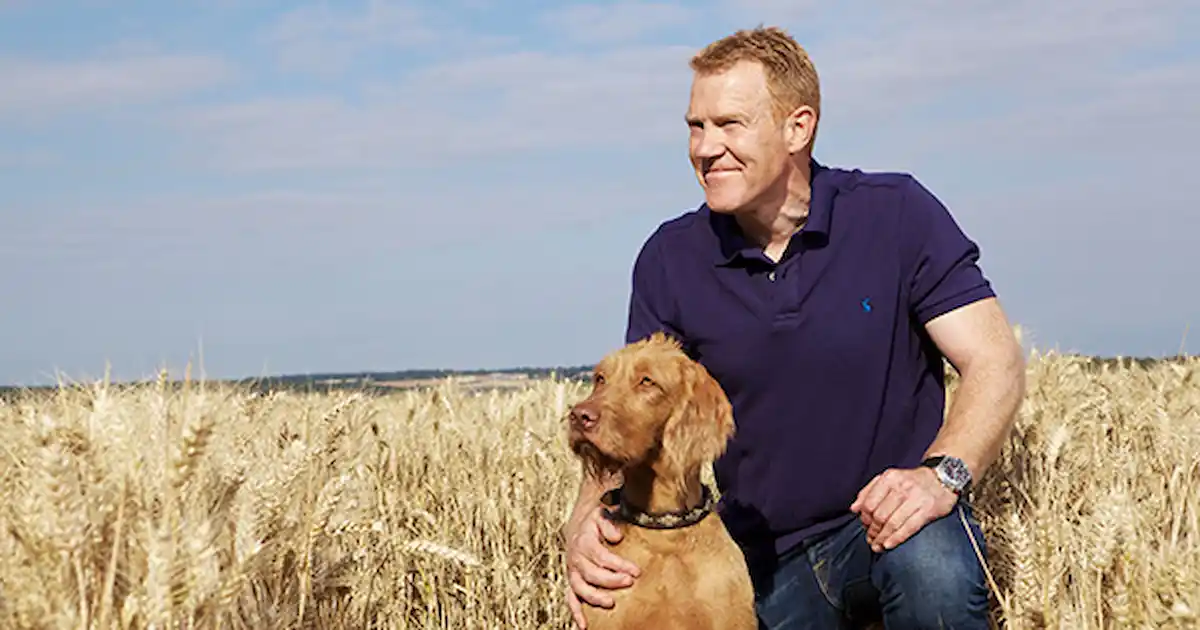
“Some of the positives around farming, you know, the successes we had,” Henson reflected. “I agree that Clarkson’s Farm has been a huge success, opening the eyes of many people into agriculture that wouldn’t have otherwise watched it. But Jeremy spends a huge amount of money — he’s up against planning, the weather, disease — and he spends a fortune on a tractor. And at the end of the year, he makes diddly squat.”
While Henson acknowledged the program’s authenticity in depicting the challenges faced by modern farmers, he emphasized that many agricultural businesses today are thriving, efficient, and forward-thinking — something viewers might not realise from watching Clarkson’s comedic struggles.
“I know lots of farmers who are incredibly successful, who are farming their land in a really positive way,” he added, suggesting that the show’s tone, though entertaining, may unintentionally paint too bleak a picture of the industry.
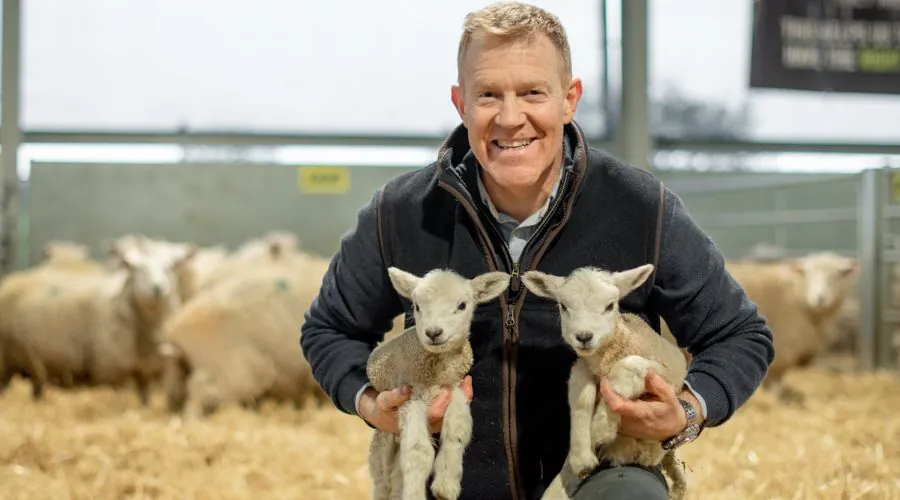
Despite his critique, Henson was quick to commend Clarkson for shedding light on the mental and emotional strain of farming, noting that the inclusion of such themes helps the public understand the pressures faced by those working the land.
“It’s good that these types of stories are promoted,” he said. “There are lots of difficult things in farming — including mental health — and we need to talk about them.”
Henson’s remarks underline an ongoing debate within the farming community: whether Clarkson’s Farm is an authentic representation of agricultural life, or a dramatized, celebrity-driven version that overshadows the quiet triumphs of everyday farmers.
