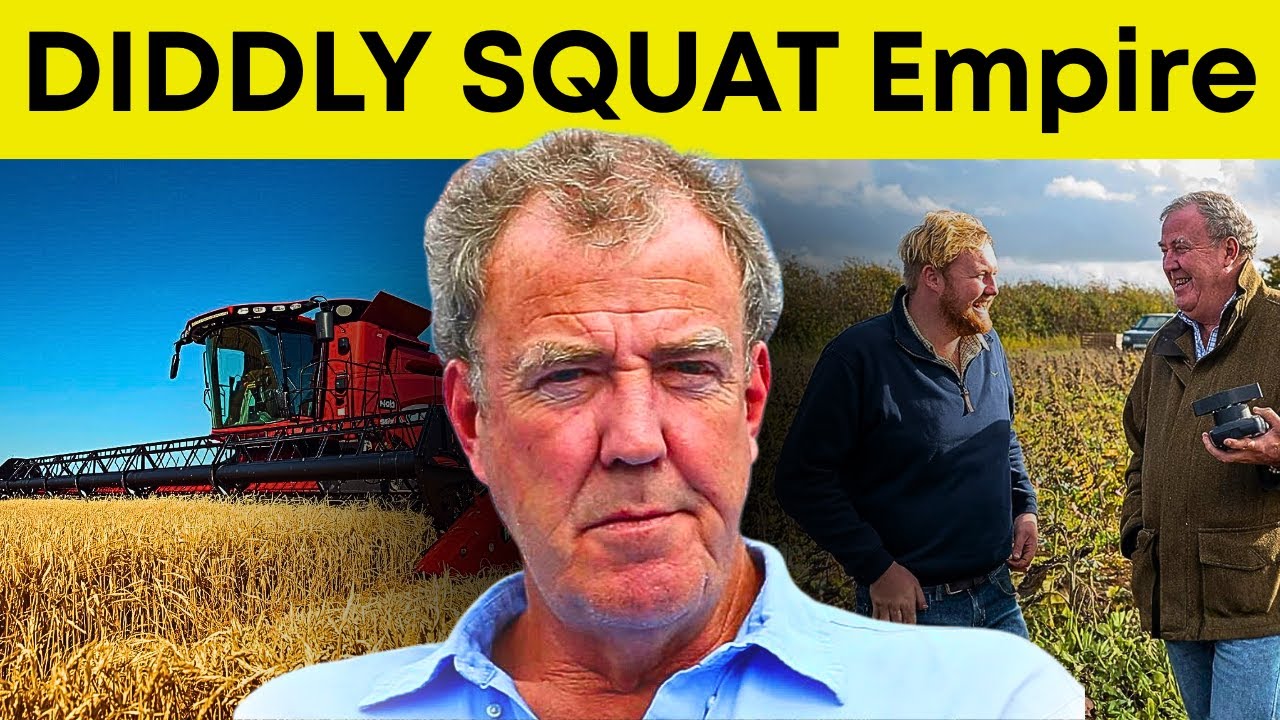
By any conventional measure, Jeremy Clarkson should not be one of Britain’s most astute rural entrepreneurs. For two decades, he made his name shouting about supercars, horsepower and speed. Yet behind the waxed jacket and muddy boots of Clarkson’s Farm lies a business structure that is far more deliberate—and far more lucrative—than many viewers realise.
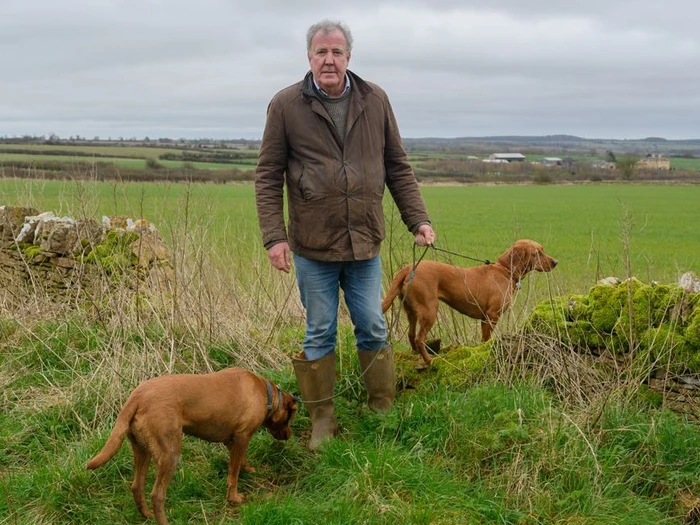
The foundations were laid long before the cameras arrived. In 2008, as financial markets reeled, Clarkson quietly spent around £6 million acquiring close to 1,000 acres of Cotswolds farmland. At the time, the decision raised eyebrows. Today, estimates place the land’s value at roughly £12.5 million. Simply by holding it, Clarkson has doubled his investment, before a single crop is harvested or pint poured.
That appreciation is only part of the story. Agricultural property relief means farmland can be passed on without inheritance tax, a consideration Clarkson has spoken about openly. For a high-net-worth individual, land offers something few assets can: steady appreciation combined with long-term tax efficiency.
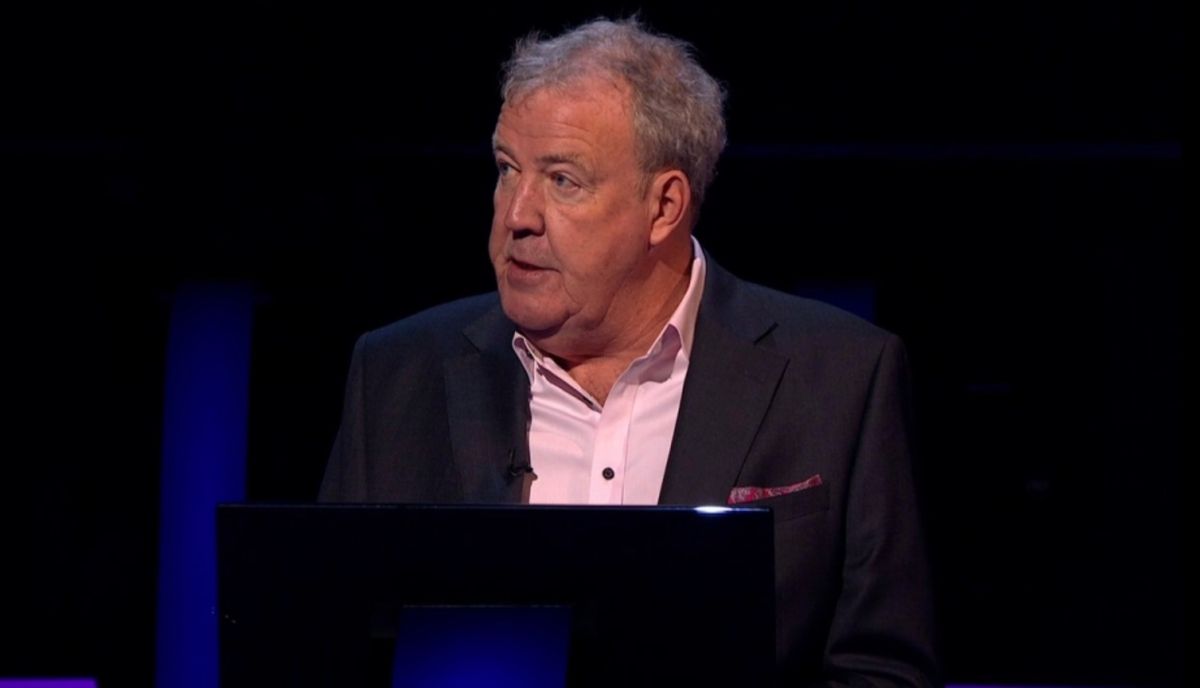
When Clarkson began farming in earnest, the results were famously underwhelming. In his first year, the operation recorded a profit of just £144. The figure became a punchline. What was missed was the wider ecosystem forming around the fields.
The real turning point came with television. Clarkson’s long-standing relationship with Amazon Prime Video turned his farming struggles into compelling viewing. While the farm itself hovered close to break-even, the series documenting it became the platform’s most-watched UK original. Each breakdown, setback and planning dispute translated into high-value content, funded by an annual television deal reportedly worth many millions.
In effect, the farm became a working set. Agriculture provided the setting; television provided the margin.
Retail followed necessity rather than strategy. Unable to sell a modest potato harvest through supermarkets, Clarkson opened a small shed to sell produce directly. That improvised shop evolved into the Diddly Squat Farm Shop, now a major visitor attraction. Assets reportedly grew from tens of thousands to well over £1 million within a year, with demand so intense that traffic management became a local issue.
Planning restrictions, rather than limiting growth, shaped it. A requirement that products be sourced within 16 miles forced the creation of a local supplier network, turning constraint into a distinctive selling point and providing dozens of nearby producers with reliable access to customers.
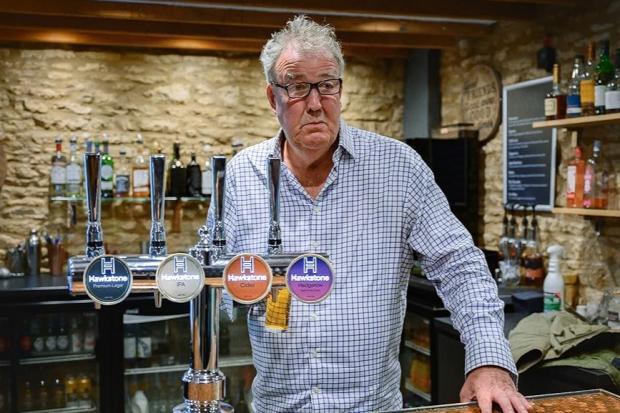
Diversification soon followed. Barley grown on the farm fed into Hawkstone Lager, a brewery business that rapidly scaled nationwide distribution. Sales surged into the tens of millions, supported by Clarkson’s profile and a marketing approach that leaned heavily on authenticity rather than polish. The brewery now employs dozens and supplies pubs across the country, including Clarkson’s own.
That pub—the Farmer’s Dog—was never intended to maximise food margins. By focusing exclusively on British produce, costs rose and profits narrowed. Instead, the venue functions as a showcase for UK farming and a high-volume outlet for Hawkstone products, where margins are retained in full. Hospitality, retail and media once again intersect.
Perhaps the most valuable asset of all is people. Kaleb Cooper, once a local farmhand, has become central to the show’s appeal. His rise illustrates the wider effect of the enterprise: turning rural expertise into national visibility, and visibility into sustainable income.
Critically, none of this operates in isolation. The television series drives visitors to the shop. The shop promotes the brewery. The brewery supports the pub. The pub feeds back into the programme. Each element reinforces the others, creating a closed loop of attention, trade and content.
Clarkson has insisted he has no interest in launching further ventures. He may not need to. What began as a farm producing £144 in profit has become the hub of a multi-million-pound operation spanning property, media, retail, brewing and hospitality.
The genius is not in farming success, but in recognising that modern rural businesses can thrive when storytelling, land ownership and local supply chains align. Beneath the bluster and banter, Diddly Squat is not an accident. It is a case study in how attention, authenticity and assets can be combined—quietly—to build something enduring.
