Former Top Gear host says a lack of rainfall is severely affecting UK crops
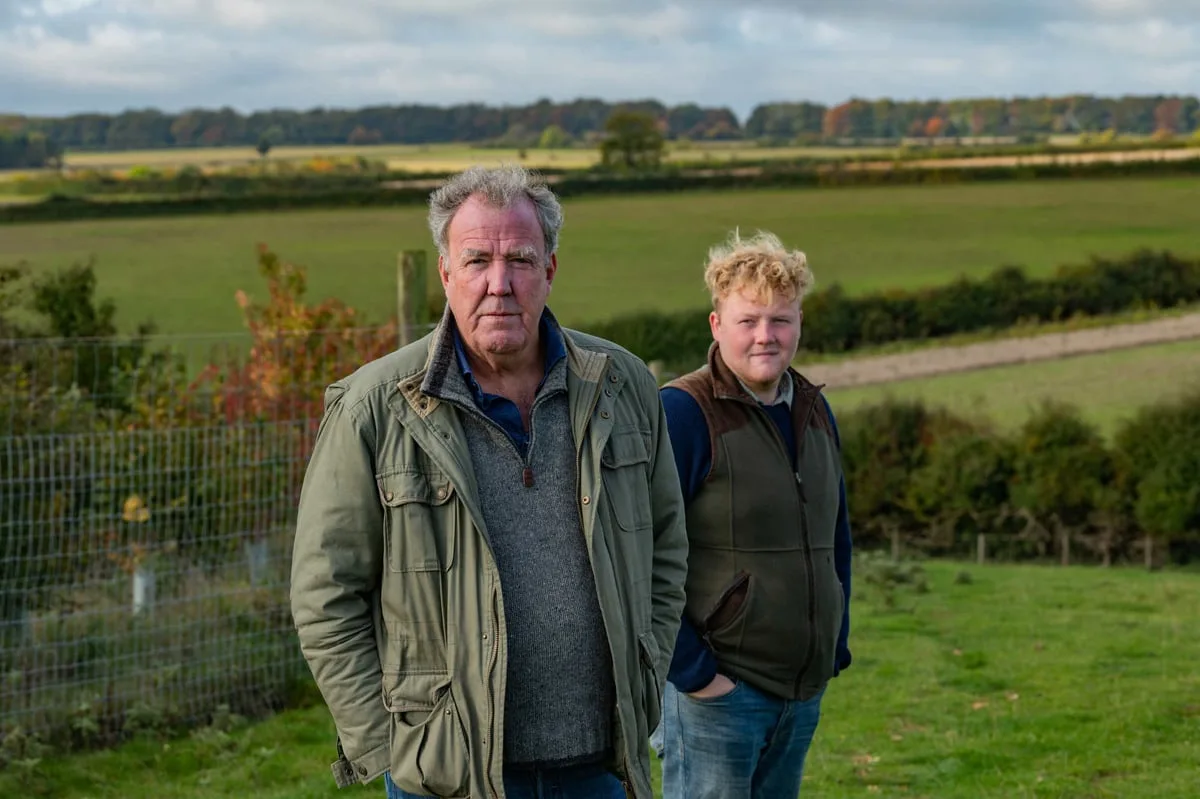
British farmers are facing a “catastrophic” harvest this year, Jeremy Clarkson has said.
The TV star, who runs the Diddly Squat farm as well as a pub and shop in the Cotswolds, warned in a post on X that this year’s harvest had been severely affected by the weather after it “never stopped raining in 2024 and never started in 2025”.
He said: “It looks like this year’s harvest will be catastrophic. That should be a worry for anyone who eats food. If a disaster on this scale had befallen any other industry, there would be a lot of wailing and gnashing of teeth.”
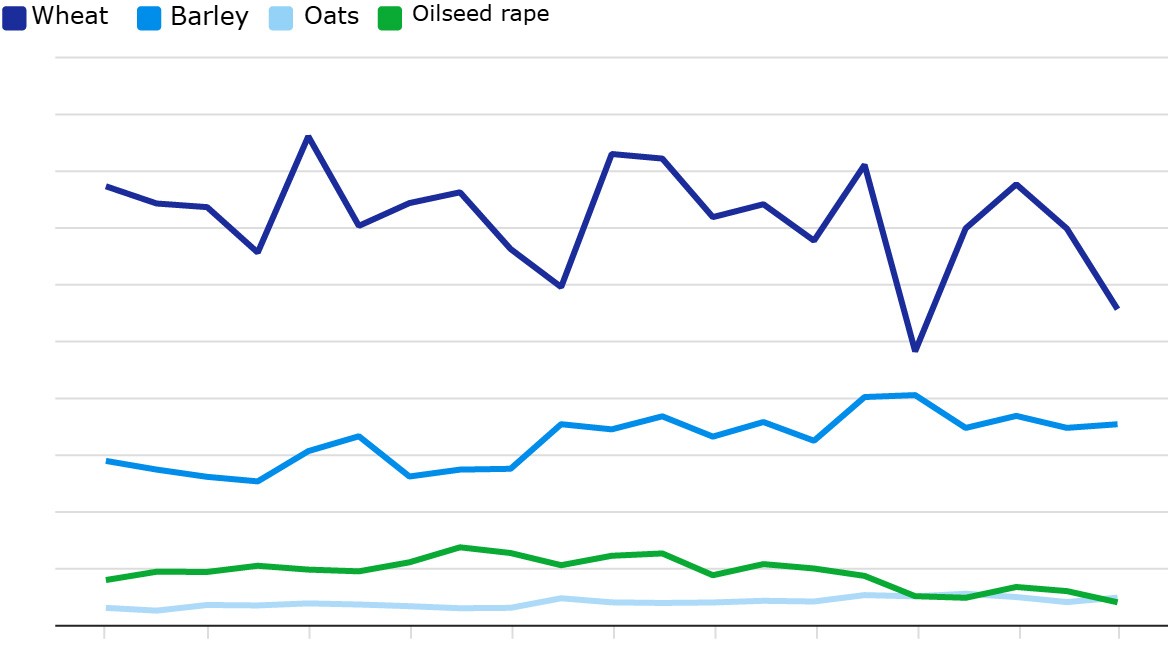
It follows warnings earlier this summer that many British farmers could be on course for one of the worst harvests on record resulting from exceedingly dry weather in the spring. The Energy & Climate Intelligence Unit (ECIU) predicted that production of main arable crops, wheat, barley, oats and oilseed rape could be near all-time lows.
Julian Marks, managing director of fresh produce company Barfoots of Botley, said: “The challenge we’re all facing is that the weather events are becoming almost more Continental than maritime.
“Rather than getting nice, gentle periods of rain, we’re getting nothing, and then we’re getting these downfall deluges, which don’t really do a lot of good to us, because a lot of it runs off.
“The weather events are becoming more extreme, the distance between them is becoming more extreme, and we’re having to adapt to that.”
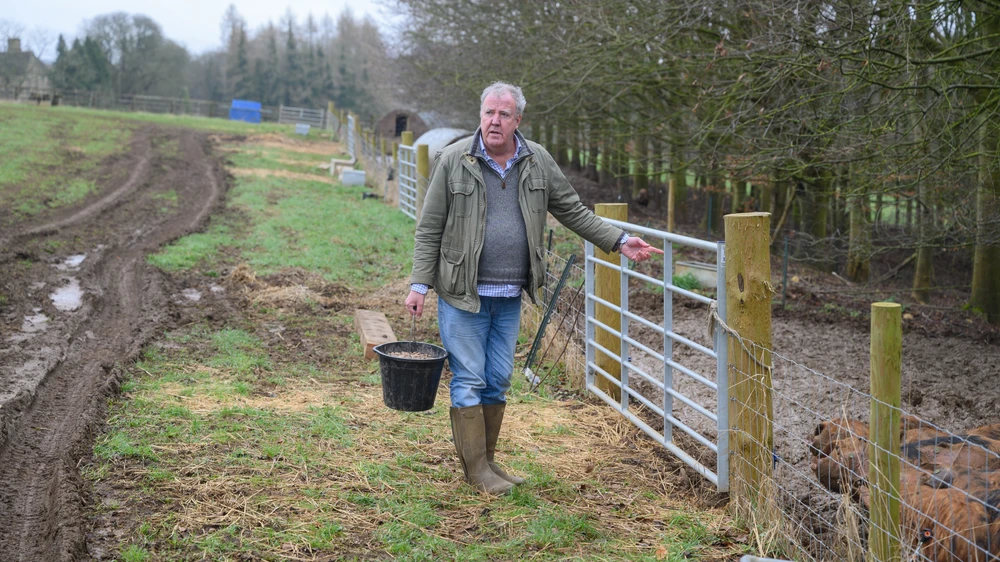
Mr Clarkson claimed in another post there was “not a cat in hell’s chance” that his farm, which grows numerous crops such as barley, wheat, potatoes and rapeseed, would be able to survive without his adjacent pub and farm shop supporting it.
He added: “Most farms don’t have TV shows to keep them going.”
The bleak outlook this year follows the second worst harvest on record in 2024, caused by excessive rain.
Ally Hunter Blair, of Weir End Farm in the Wye Valley, said parts of the country like Herefordshire and the Cotswolds were hit particularly badly.
He said: “We basically had the worst combination of weather for our sort of farms that we could have, which is an extremely wet winter – meaning anything we did plant didn’t bother to put any roots into the ground because all the water and nutrient was available to it – and then obviously it went from one extreme to the other.
“It’s a loss-making year by some margin. It’s basically ‘survive and hope that next year is better’, which is the classic farmer mentality.”
Mr Marks added: “Those people on lighter, more gravelly soils, particularly up in the Cotswolds, will have dried out much quicker.
“We’ve had some challenges particularly on what we would call water-hungry crops like tenderstem broccoli. But the whole of the UK has struggled, and that’s been a combination not only of trying to get enough water on to it, but actually peak temperatures where the plant stops growing.”
Farmers are already grappling with increased costs levied on them in the Labour Government’s Budget last October, which increased employers’ National Insurance contributions and raised the minimum wage.
They have been further outraged by changes to inheritance tax relief for business and agricultural properties, which it has been claimed could push swathes of family-run farms out of business.
Mr Clarkson joined farmers protesting the IHT changes last year. He has become an outspoken advocate for Britain’s farmers since launching his TV show Clarkson’s Farm in 2021, regularly commenting on the difficulties faced by agricultural businesses.
He told The Telegraph in May: “It’s not just the never-ending regulations that are coming on, which I don’t think are terribly well thought through, but farming is whack-a-mole. If you think you’ve cured one problem, you’ve almost certainly created another.”
Jamie Burrows, of the National Farmers Union (NFU), said: “Feedback from farmers and growers paints a hugely varied picture. Some are seeing better-than-expected yields, while others are facing significant drops which will have substantial financial implications on their businesses.
“While some rain has fallen in parts of the country, and farmers are no strangers to unpredictable weather, the extremes this year have been unprecedented. The challenge is these weather extremes of drought and flood are becoming more pronounced and more regular. Last year’s harvest was marked by heavy rain and this year by its extreme dryness.
“Looking ahead, farmers growing crops need investment in climate adaptation and resilient crop varieties to safeguard our ability to feed the nation, weather market volatility and adapt to a changing climate.”
