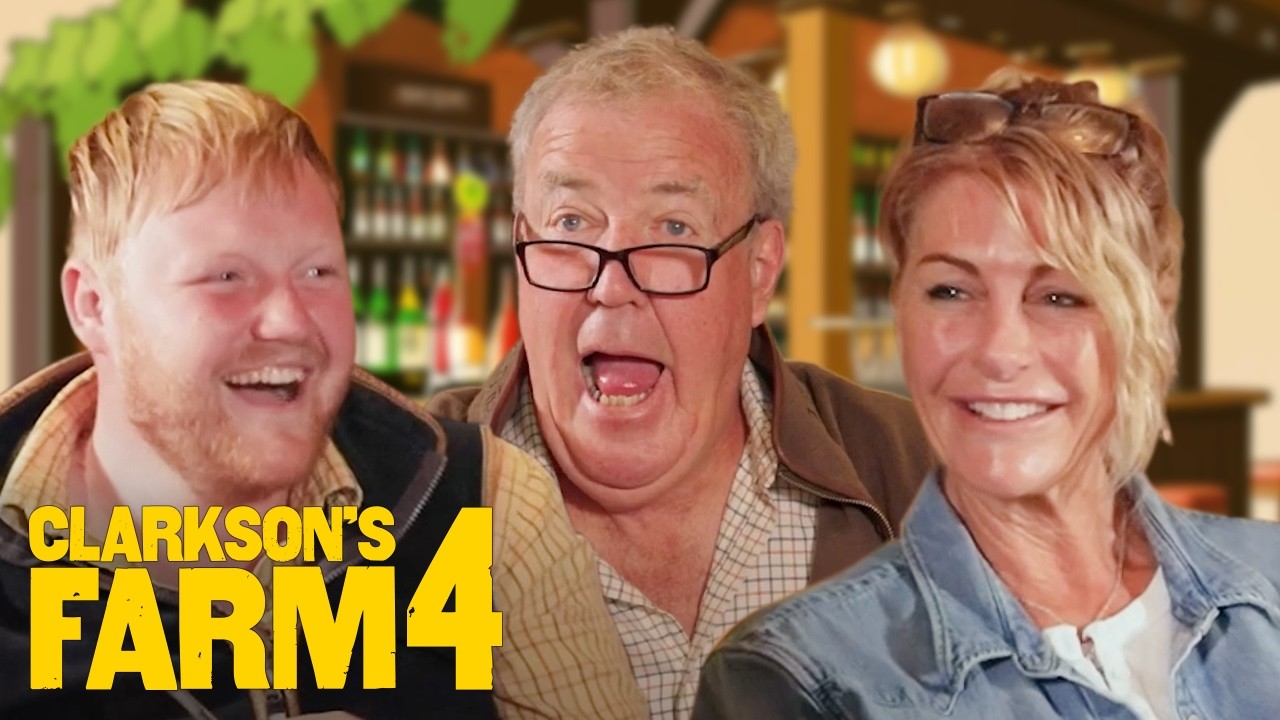
For most of his career, Top Gear star Jeremy Clarkson was known for roaring engines, high-speed antics, and poking fun at environmentalists. So when he announced he was swapping supercars for sheep and becoming a farmer, many thought it was either a joke or destined for disaster. As it turns out, it’s been a bit of both — and something unexpectedly more.
Now four seasons in, Clarkson’s Farm has become one of the UK’s most honest, chaotic, and strangely educational looks at modern farming.
From Land Purchase to Lockdown Experiment
Back in 2008, during the financial crisis, Clarkson bought Curdle Hill Farm — 1,000 acres of prime Cotswolds land — for £4.25 million. Why? Because, as he once put it, “land is the only thing they’re not making more of” — plus, it’s handy for inheritance tax planning.
For years, local farmer Howard Pauling ran the land until retiring in 2019. Then the pandemic hit, giving Clarkson a bold idea: run the farm himself.
And so, Diddly Squat Farm was born — named for its pitiful early output.
The Ups and Downs of Diversification
From season one’s oversized tractor fiascos to today’s mushroom barns and exploding cider bottles, Clarkson’s agricultural journey has been anything but smooth.
Pigs were meant to be a new income stream — but tragedy struck when sows repeatedly crushed their piglets in their sleep. Clarkson’s desperate fix? The “pig ring,” a makeshift pen that saves piglets from accidental suffocation. It worked — but feed costs and tight margins mean pig farming remains a financial struggle.
Meanwhile, an underground mushroom farm surprisingly turned into one of Diddly Squat’s rare wins. With guidance from an expert named Harry, Clarkson’s team produced gourmet oyster and lion’s mane mushrooms, later drying them into a trendy, pricey powder.
The Cider Grenades
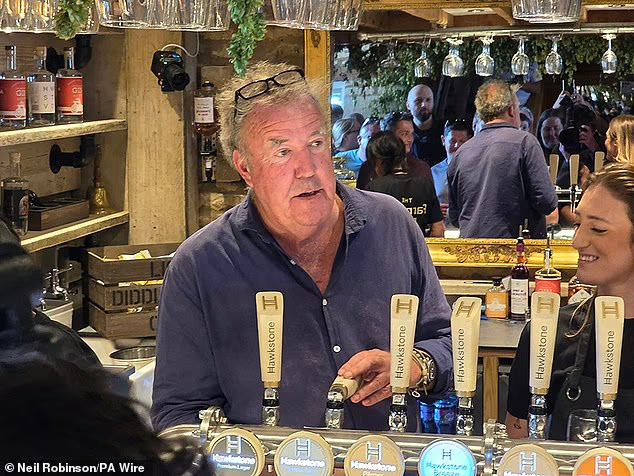
Another venture — Hawkstone Cider — made headlines for all the wrong reasons. Fermenting cider bottles began exploding in kitchens and garages across the country, forcing Clarkson to post a now-famous PSA: open your cider underwater.
Despite the drama, the marketing was pure Clarkson — risky but entertaining.
Battles with the Council
Yet Clarkson’s biggest headaches haven’t come from livestock or crops but from local bureaucracy. The West Oxfordshire District Council has waged a war against his plans, slapping him with planning restrictions that would confuse even seasoned developers. The council recently ruled that his farm shop is now an “entertainment venue,” requiring new permissions and triggering fresh legal wrangling.
Profit — But At A Cost
Despite the chaos, the farm technically made a £725,000 profit. But soaring costs for fertilizer, fuel, seeds, and machinery mean every penny is reinvested. The show reveals that Clarkson spent £110,000 on seed and chemicals alone last year — and still watched crops fail.
More Than Just a Gimmick
To critics, Diddly Squat is just a rich man’s tax dodge or a backdrop for Amazon’s cameras. But the real story runs deeper. Clarkson may be the star, but it’s people like land agent Charlie Ireland, farmhand Caleb Cooper, and the near-incomprehensible yet beloved Gerald who show the real heart of the farm. Their daily struggles prove this isn’t just a show — it’s real farming, warts and all.
What’s Next?
With season four wrapping up, Clarkson shows no sign of swapping muddy fields for smooth tarmac again anytime soon. Expect more setbacks, more stubborn inventions, more clashes with the council — and a continuing spotlight on the fragile state of British farming.
Love him or hate him, Clarkson is still getting stuck in — and for once, the world of agriculture is getting the audience it deserves.
Clarkson’s Farm Season 4 is streaming now.
Stay tuned for more updates from Diddly Squat.
