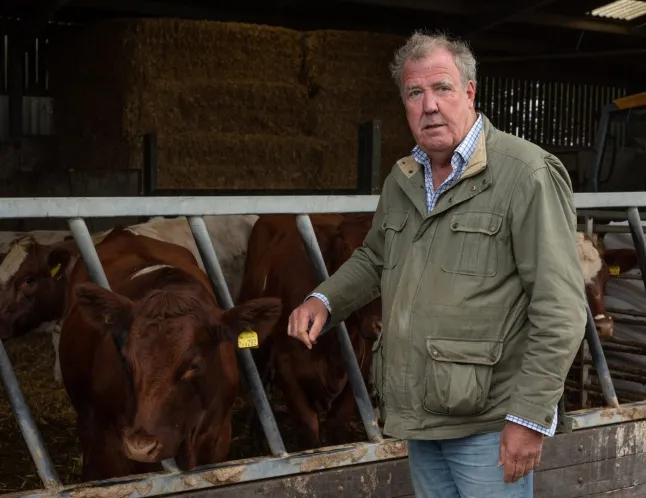
In recent years, Jeremy Clarkson—once best known for roaring across racetracks as the outspoken frontman of Top Gear—has undergone one of the most unexpected career transformations in British television. Swapping supercars for sheep and high-octane stunts for high-stakes harvests, Clarkson has redefined himself as a farmer, running the now-famous Diddly Squat Farm in the rolling hills of Oxfordshire.
Clarkson originally purchased the land back in 2008, when it was known as Curdle Hill Farm. For over a decade, it was largely managed by local contractors. However, in 2019, following the departure of his long-time farm manager, Clarkson made the decision to take over the operation of the 1,000-acre property himself—despite having no prior agricultural experience. What followed would change not only his life but also public perceptions of farming in the UK.
Amazon Prime’s hit series Clarkson’s Farm, first released in 2021, has documented this unusual and often chaotic transition. The show follows Clarkson as he grapples with the harsh realities of running a modern farm: battling unpredictable weather, navigating complicated government regulations, learning to operate machinery, and facing the unforgiving economics of agriculture. By the time the fourth season arrived earlier this year, the series had become one of the streaming service’s most successful UK productions, praised for its mix of humor, authenticity, and surprisingly emotional moments.
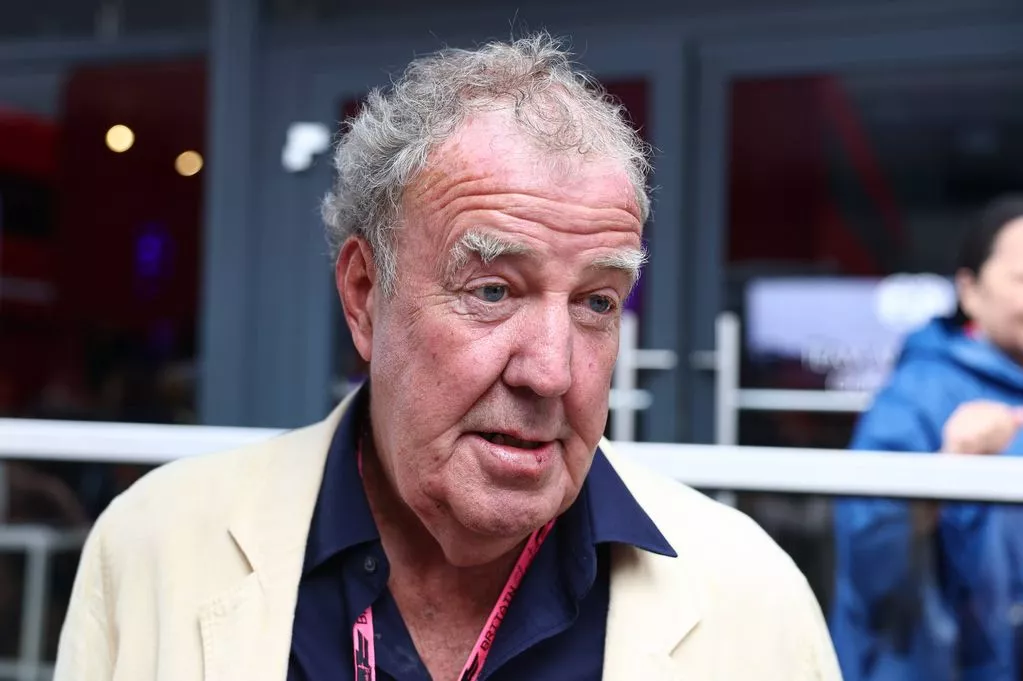
But beyond its entertainment value, Clarkson’s Farm has sparked something far greater: what many now call the “Jeremy Effect.” Across Britain, agricultural colleges and universities have reported a noticeable surge in applications from young people inspired by the show. For many teenagers, Clarkson’s chaotic but determined attempt at farming served as their very first introduction to careers in agriculture, land management, and rural business.
According to Business Matters, the influence of the program has been especially clear in application trends. The Royal Agricultural University (RAU) in Gloucestershire has seen an 11 percent increase in applications for its land management course, while Plumpton College in East Sussex has publicly acknowledged that student interest has been boosted by Clarkson’s television journey.
Importantly, the appeal of the series doesn’t rest on Clarkson alone. His co-stars—particularly young farm contractor Kaleb Cooper and land agent Charlie Ireland—have also become role models in their own right. Cooper, whose sharp wit and deep farming knowledge often clash with Clarkson’s inexperience, has won widespread admiration from viewers. His rise in popularity has gone even further; he recently launched a bursary scheme at RAU designed to help applicants from non-farming backgrounds adapt to agricultural studies, opening the door for a more diverse generation of future farmers.
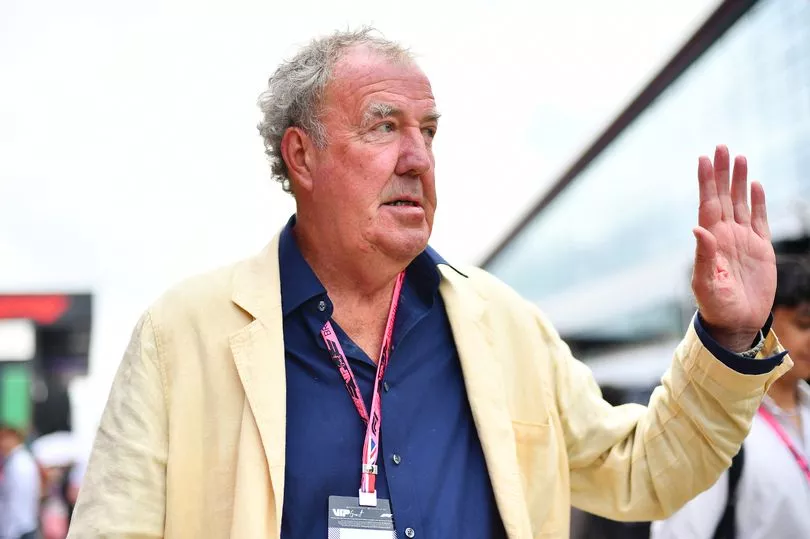
This growing enthusiasm for agricultural education arrives at a critical moment. British farming is facing mounting challenges, from climate uncertainty and rising production costs to changing subsidies and global market pressures. Clarkson himself has often used his platform to highlight these issues. Earlier this month, he warned his social media followers that this year’s harvest was shaping up to be “catastrophic,” stressing that the struggles of farmers are not just industry problems but matters that affect everyone who relies on food to survive—which, as he dryly noted, is all of us.
The irony, of course, is that Clarkson, who once thrived on mocking environmentalists and country life, has become an unlikely ambassador for farming. Yet his candid and often comical portrayal of rural hardships has connected with millions who might otherwise never have given agriculture a second thought. The result is a new wave of interest in farming among young people—an impact that universities and colleges across the UK are now beginning to feel firsthand.
In short, the story of Clarkson’s Farm is no longer just about one celebrity’s struggle to plough fields and raise sheep. It has become part of a much larger narrative: the reinvigoration of agricultural education, the inspiration of a new generation of farmers, and the reminder that, despite its difficulties, farming remains one of the most vital and rewarding callings of all.