Clarkson’s Farm Chaos: 12 Bureaucratic Battles That Pushed Jeremy to the Breaking Point

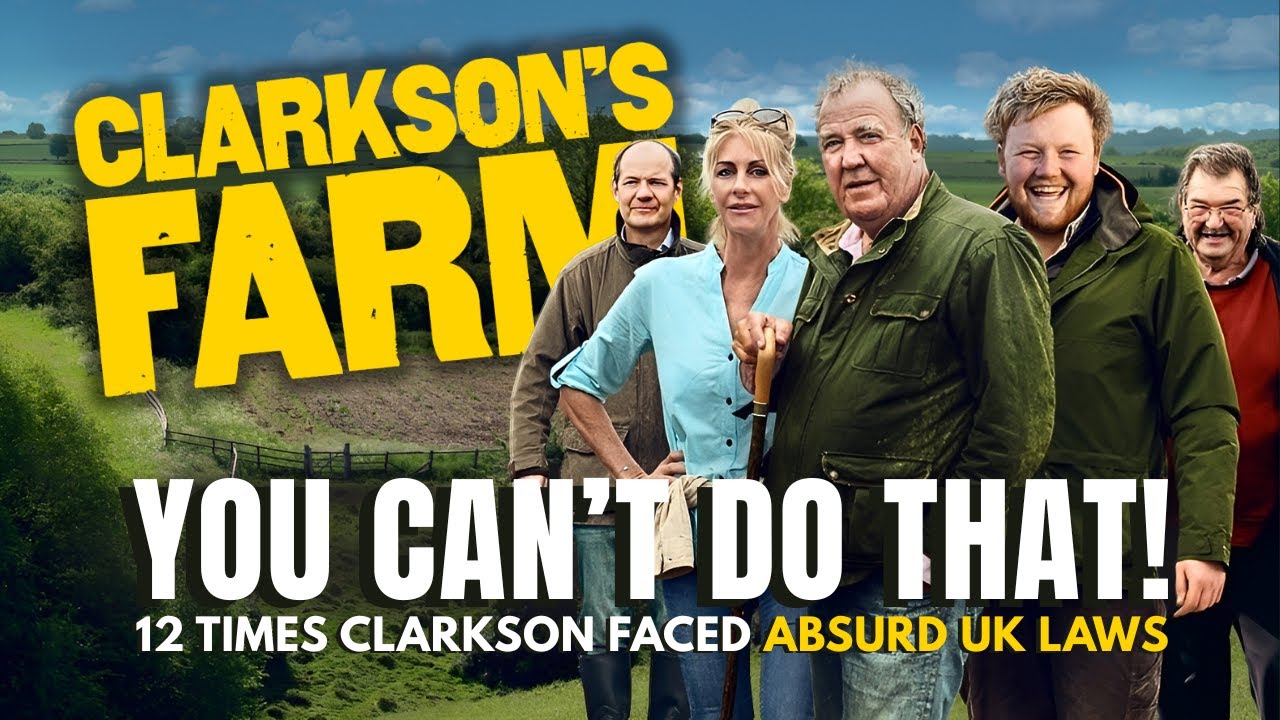
In the rolling hills of Oxfordshire, Jeremy Clarkson’s Diddly Squat Farm has become more than just a patch of land—it’s ground zero for a hilarious yet harrowing showdown between one man’s farming ambitions and the UK’s labyrinth of rules and regulations. As chronicled in the hit Amazon Prime series Clarkson’s Farm, the former Top Gear host has repeatedly smashed into bureaucratic barriers, turning simple ideas into epic sagas of paperwork, inspections, and fines. Drawing from fan-favorite moments across the seasons, here’s a countdown of the top 12 times Clarkson crashed headlong into the system’s absurdities, proving that farming in Britain is as much about dodging red tape as it is about dodging mud.
No. 12: The Wetland Shutdown – Vole Patrol Gone Wild Clarkson’s eco-friendly “wilding” project aimed to create a thriving wetland, but an ecological inspector halted everything over suspected water voles. Trail cameras and endless checks ensued, only to reveal the culprits were likely harmless shrews. A stark reminder that disturbing protected habitats can lead to criminal charges, even if the threat is imaginary.
No. 11: Crisp Production Denied – A Slice of Disaster Hoping to cash in on 16 tons of potatoes, Clarkson dreamed of homemade crisps for his farm shop. But after slicing his thumb on a mandolin and facing lab results flagging potential carcinogens from the potato-oil combo, the venture crumbled. Food safety regs turned a spud surplus into a wasted heap.

No. 10: The Soil Police – Muddy Tracks and Subsidy Threats Heavy machinery on rain-soaked ground drew ire from advisor Charlie, who warned of breaching soil compaction rules. Compacted earth hampers drainage and crops, risking subsidy cuts of £10,000–£15,000. Clarkson learned the hard way: farming waits for dry days, or else.
No. 9: The Planning Permission Saga – Roofs, Fires, and Parking Wars The farm shop’s tin roof was deemed unsuitable by the council, forcing a costly slate replacement. Fire inspectors demanded emergency lights, and parking plans were nixed to preserve the Area of Outstanding Natural Beauty. Appeals could cost hundreds of thousands, leaving Clarkson fuming over traffic chaos.
No. 8: Economic Red Tape – The 16km Produce Rule Council edicts barred selling non-local goods in the shop, despite supporting small businesses during tough times. Clarkson decried it as nonsense, but enforcement notices threatened prosecution. His partner Lisa’s defiant streak kept items on shelves—for a while.
No. 7: The Crayfish Conundrum – Protecting the Invaders Repairing a dam wall was stopped dead by protected American signal crayfish, an invasive species that’s wiped out native ones. Machinery risked collapsing burrows, inviting fines or jail. Clarkson balked at safeguarding “bad” pests while his work ground to a halt.
No. 6: The Cow Police – Tags, Numbers, and Hotline Hell Registering cattle meant tagging each one and enduring endless government phone queues. One wrong digit erased hours of work, turning a routine task into a bureaucratic black hole.
No. 5: Regulated Dirt – Waste Licenses for Soil Dumping excavated soil on his own land required a waste exemption license, per UK waste laws. Skipping it could mean enforcement action, transforming a simple chore into a legal standoff.
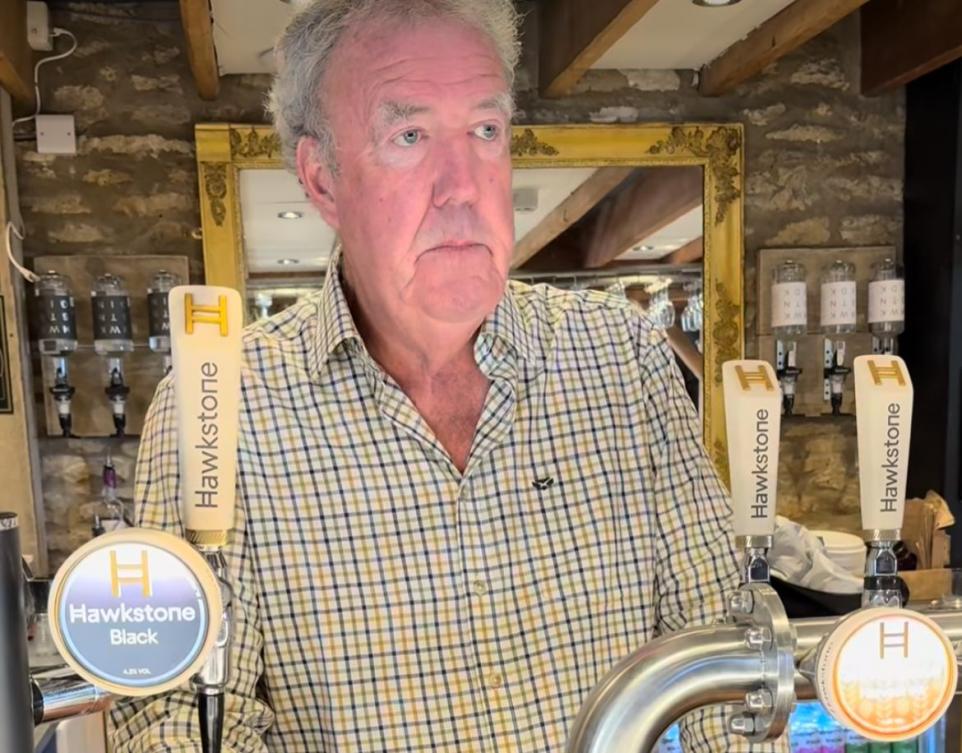
No. 4: The Pub Police – Licensing Labyrinth Plans for a pub-shop hybrid tangled in classifications and alcohol licenses. What Clarkson saw as a community boost became mired in planning rules, highlighting how even boozy ventures face sober scrutiny.
No. 3: Protected Pests – Badger TB Troubles Badgers, protected since the 1980s to stop baiting, spread bovine TB, costing taxpayers £150 million annually. Clarkson couldn’t cull them, leaving his herd vulnerable and farmers powerless against outdated laws.
No. 2: The Farm Track Fiasco – Denied Access on His Own Land A simple track to link farm buildings was refused as “unnecessary for agriculture.” Clarkson called it spiteful bureaucracy, blocking efficiency on private property.
No. 1: The Farm Restaurant Closure – Enforcement Overkill Topping the list: the council’s shutdown of Clarkson’s restaurant for being “unsustainable” in a protected area. Demands to remove tables, toilets, and restrict sales crushed his vision of farm-to-table dining, despite appeals and loopholes.
These clashes aren’t just comedy gold—they spotlight real frustrations for UK farmers navigating environmental protections, planning laws, and subsidies. Clarkson, ever the provocateur, argues for reforms to balance conservation with common sense. As Clarkson’s Farm gears up for more seasons, fans are left wondering: Will Diddly Squat ever escape the red tape? Or is bureaucracy the ultimate crop killer?