Clarkson’s Farm Finale? Jeremy Clarkson Drops Cryptic Hint About Ending the Show — What It Means for UK Farming

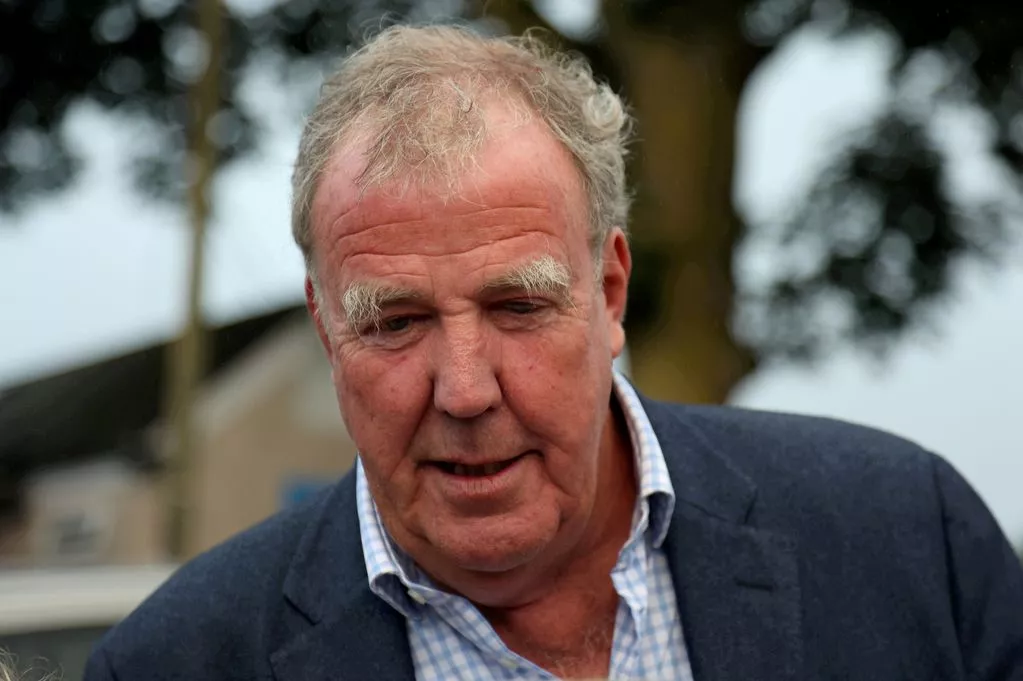
In a revelation that has sent ripples through both the entertainment world and the UK’s rural heartlands, Jeremy Clarkson has hinted that the upcoming fifth season of his hit Prime Video series, Clarkson’s Farm, could mark the end of the road for the beloved show. The former Top Gear host, who has unexpectedly become one of the farming industry’s most vocal champions, told The Sunday Times that his team plans to take a well-deserved break after filming Season 5, adding that it “will probably be the last” unless a compelling reason emerges to continue. This announcement has sparked widespread speculation among fans and industry insiders alike, with many pondering what the potential conclusion means for the broader farming sector, which has seen unprecedented visibility thanks to the series.
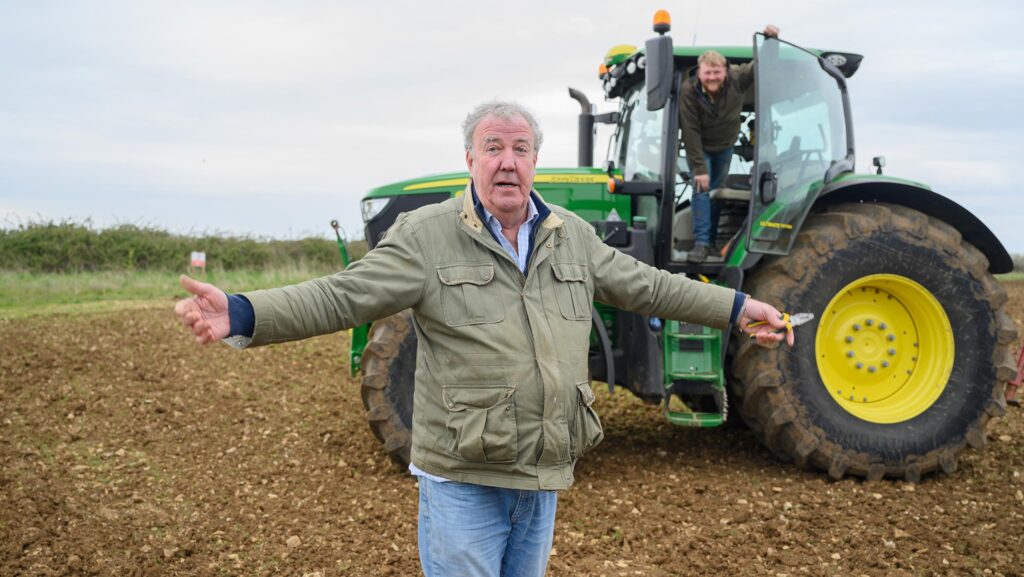
Launched in 2021, Clarkson’s Farm chronicles Clarkson’s often chaotic attempts to manage his 1,000-acre Diddly Squat Farm in the Cotswolds. What began as a lighthearted venture—featuring Clarkson’s trademark humor, mishaps with oversized tractors, and banter with his no-nonsense farm manager Kaleb Cooper—quickly evolved into a poignant exposé on the harsh realities of modern British agriculture. From bureaucratic red tape and unpredictable weather to the emotional toll of livestock losses and financial pressures, the show has pulled back the curtain on an industry often overlooked by urban audiences. Over four seasons, it has amassed a global following, blending entertainment with education and turning Clarkson into an unlikely advocate for farmers.
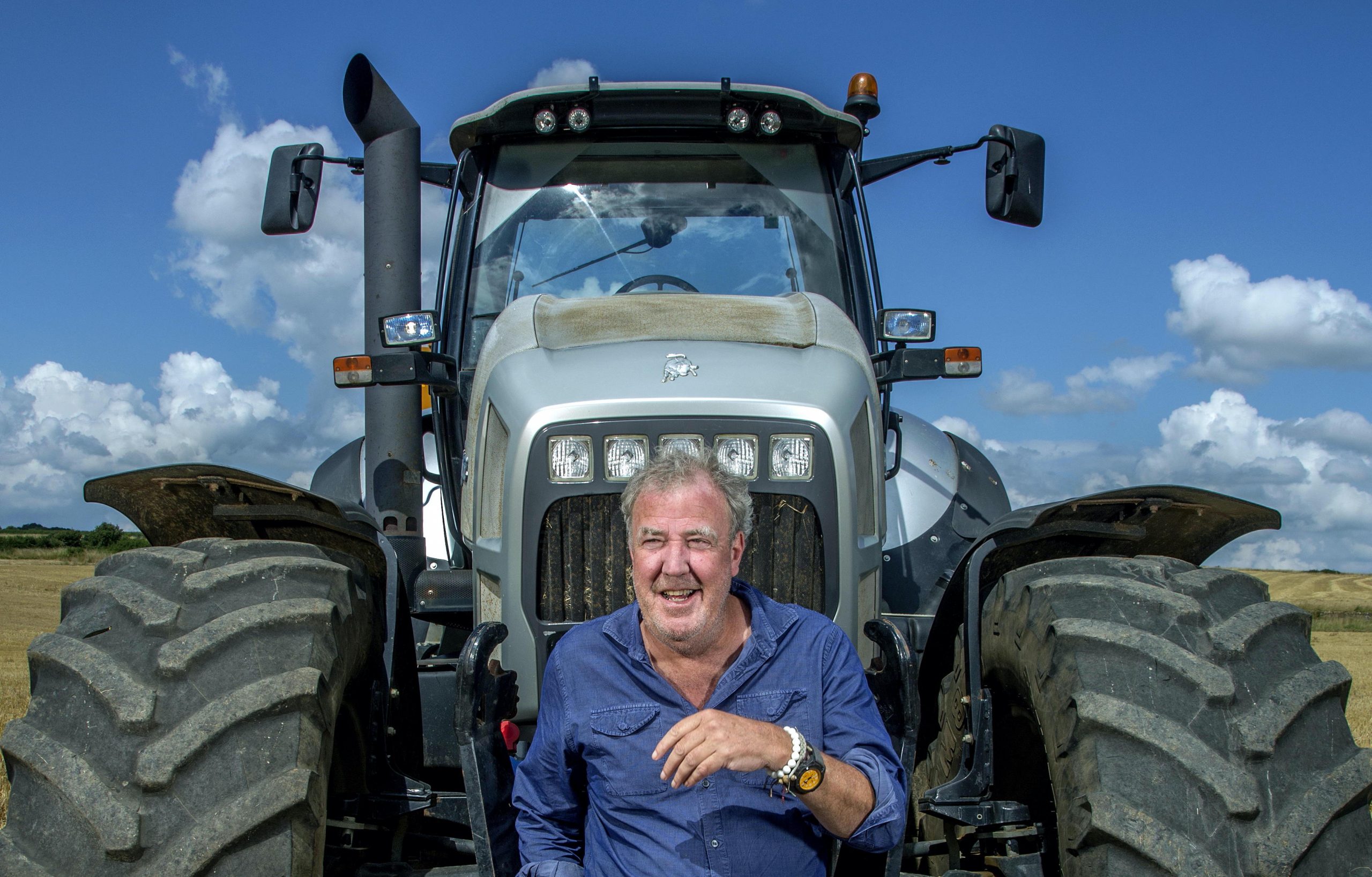
The series’ impact on the farming industry has been profound and multifaceted. By highlighting the day-to-day struggles—such as skyrocketing input costs, environmental regulations, and the fight for fair prices—Clarkson’s Farm has bridged a critical gap between producers and consumers. It has humanized farmers, showing their dedication, ingenuity, and heartbreak in a way that resonates far beyond rural communities. According to industry reports, the show has driven a surge in public support for British produce, with sales of locally grown goods spiking after episodes air. One notable outcome is the so-called “Clarkson’s Clause,” a new UK planning law introduced to ease the conversion of disused farm buildings into shops or restaurants, directly inspired by Clarkson’s on-screen battles with local councils. This legislative change has provided tangible relief to farmers seeking diversification amid economic pressures.
Moreover, the series has inspired a new generation to consider careers in agriculture. Educational institutions like Capel Manor College have reported thousands of students citing Clarkson’s Farm as a key influence in their decision to pursue farming-related studies, shining a light on the sector’s far-reaching opportunities and challenges. Recruitment agencies in the field have dubbed this the “Clarkson Effect,” noting increased interest in roles that blend traditional farming with innovation and sustainability. As one expert put it, the show has “brought the realities of farming to millions of consumers, showcasing both the challenges and rewards” in a way that previous TV coverage failed to achieve.
Yet, with Clarkson’s hint of an impending finale, concerns are mounting about a potential void in this newfound connection. Cheshire dairy farmer Kelly Seaton, speaking on behalf of many in the industry, described the possible end as “a sad day for the industry.” She emphasized how the show has elevated farming’s profile to an audience that might otherwise remain disconnected from the daily and political battles in agriculture. “The show has given the industry allies across not just the UK but the world,” Seaton explained, “who have fallen in love with the entertainment while learning so much about how food is produced and how much farmers truly care about the work we do.” She highlighted its role in inspiring younger people to enter the field, offering “real hope for the survivability of UK food production.”
Seaton remains optimistic, however, predicting that this won’t be the final chapter for Clarkson and his crew—including partner Lisa Hogan, the ever-optimistic Kaleb, and the pragmatic “Cheerful Charlie” Taylor. “I am sure this will not be the last we see of them advocating for the farming sector,” she said, praising their unique ability to link farmers and consumers in a way no one else has managed. “So, if this is the end, that leaves me to say on behalf of all farmers: thank you, Jeremy. What you have done has been amazing for the industry.”
Echoing these sentiments, Greater Manchester pig and arable farmer Lewis Clare acknowledged the show’s transformative role. He noted that while the British public has long held an interest in farming, television coverage was “dreadful” before Clarkson’s Farm filled a glaring market gap. “It may be a catalyst for other, new shows,” Clare suggested, pointing to the series’ success in communicating challenges to the masses. However, he cautioned that the longevity of its legacy remains uncertain: “I do think it has been a big positive for the industry… but how long-lasting that legacy will be is hard to call.”
Dismissing global warming? That was a joke’: Jeremy Clarkson on …
Critics and supporters alike debate whether the show’s portrayal is entirely accurate. Some argue it presents an overly positive spin, given Clarkson’s financial safety net from his media career, which insulates him from the full brunt of farming’s risks. Others, however, credit it with exposing critical issues like food security, government policies (including recent inheritance tax debates), and the need for sustainable practices. The series has even influenced policy discussions, with Clarkson’s outspoken critiques amplifying farmers’ voices in national conversations.
As filming for Season 5 wraps up—expected to include emotional storylines like a bovine tuberculosis outbreak on the farm—fans are divided. Social media buzzes with pleas for continuation, with one X user exclaiming, “omg i thought clarksons farm was as over bc on amazon i thought it said final season! if there’s a season 5 i will cry.” Another fan expressed gratitude: “Many thanks Mr. Clarksons end your family farm. I’m waiting 5° season.” A fan account optimistically posted, “I think Season 5 will be the best yet! And hopefully not the last.”
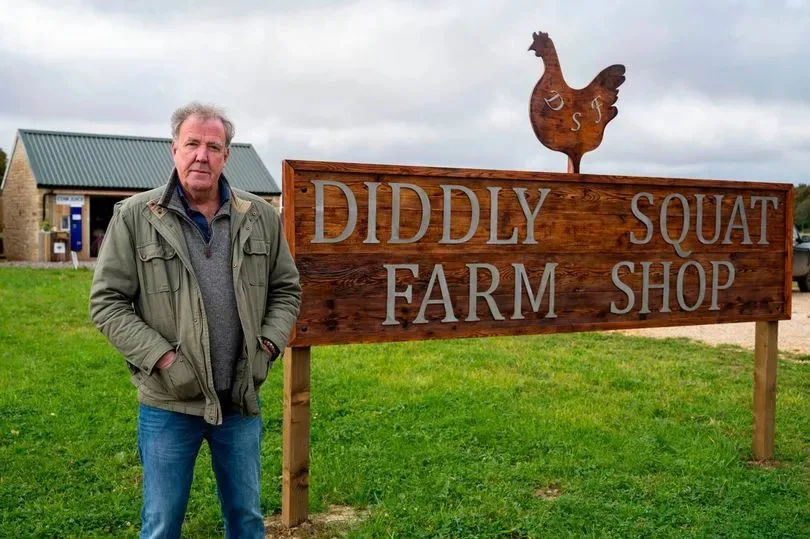
If Clarkson’s Farm does bow out after Season 5, its departure could signal the close of a unique chapter in agricultural advocacy. Yet, as Seaton and others suggest, Clarkson’s influence may endure through spin-offs, books, or his ongoing farm ventures like the Diddly Squat Farm Shop and The Farmer’s Dog pub. For an industry facing climate change, post-Brexit uncertainties, and generational shifts, the show’s legacy could prove invaluable in sustaining public empathy and support. As one commentator noted, it’s not just about entertainment—it’s about securing the future of British farming.
Clarkson’s Farm Season 5 is slated for release on Prime Video in 2026. Whether it’s the finale or a hiatus, the series has undeniably plowed new ground in how the world views the farm-to-fork journey.