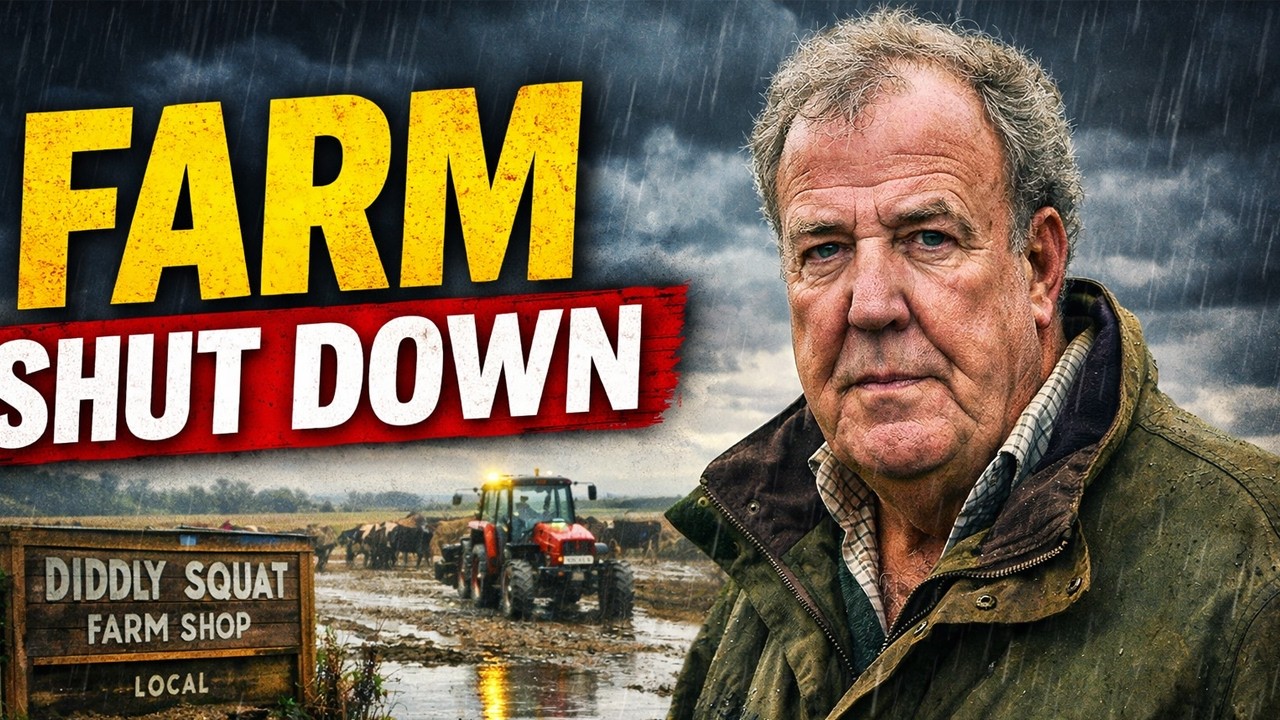
Filming on the next series of Clarkson’s Farm has been put on hold after months of persistent rain left Diddly Squat Farm unable to operate normally, Jeremy Clarkson has confirmed.
Writing in his Sunday Times column, the 65-year-old broadcaster-turned-farmer revealed that production on season six has stopped because the land is too waterlogged to sustain meaningful agricultural activity. While season five has already wrapped and is expected to launch on Prime Video in the coming months, cameras are no longer rolling in Oxfordshire.
Clarkson cited unrelenting rainfall since the start of the year as the primary reason. On a working farm, extended wet conditions can prevent planting, delay harvesting and damage soil structure. In this case, the situation has been compounded by ongoing bovine tuberculosis (TB) restrictions affecting cattle management.
Without active crop cycles or livestock movement, Clarkson suggested there is little day-to-day farming to document — the core engine that drives the programme’s narrative.
From Quiet Countryside to Global Audience
Clarkson purchased the 1,000-acre farm near Chadlington in 2008, long before it became a television phenomenon. Since its debut in 2021, Clarkson’s Farm has emerged as one of Prime Video’s most successful unscripted series, praised for blending humour with a candid portrayal of the financial and regulatory pressures facing British farmers.
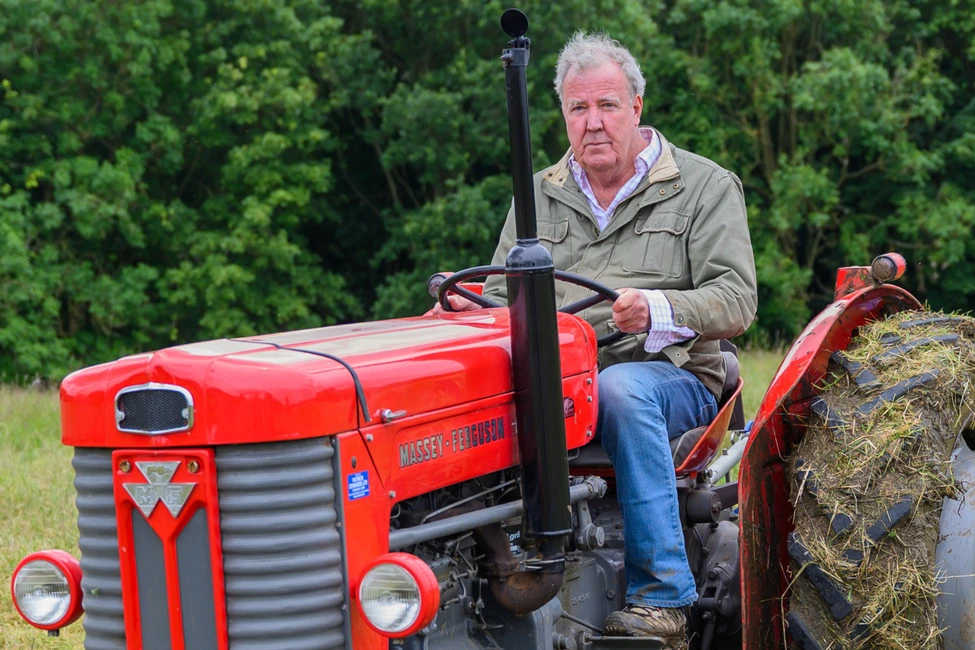
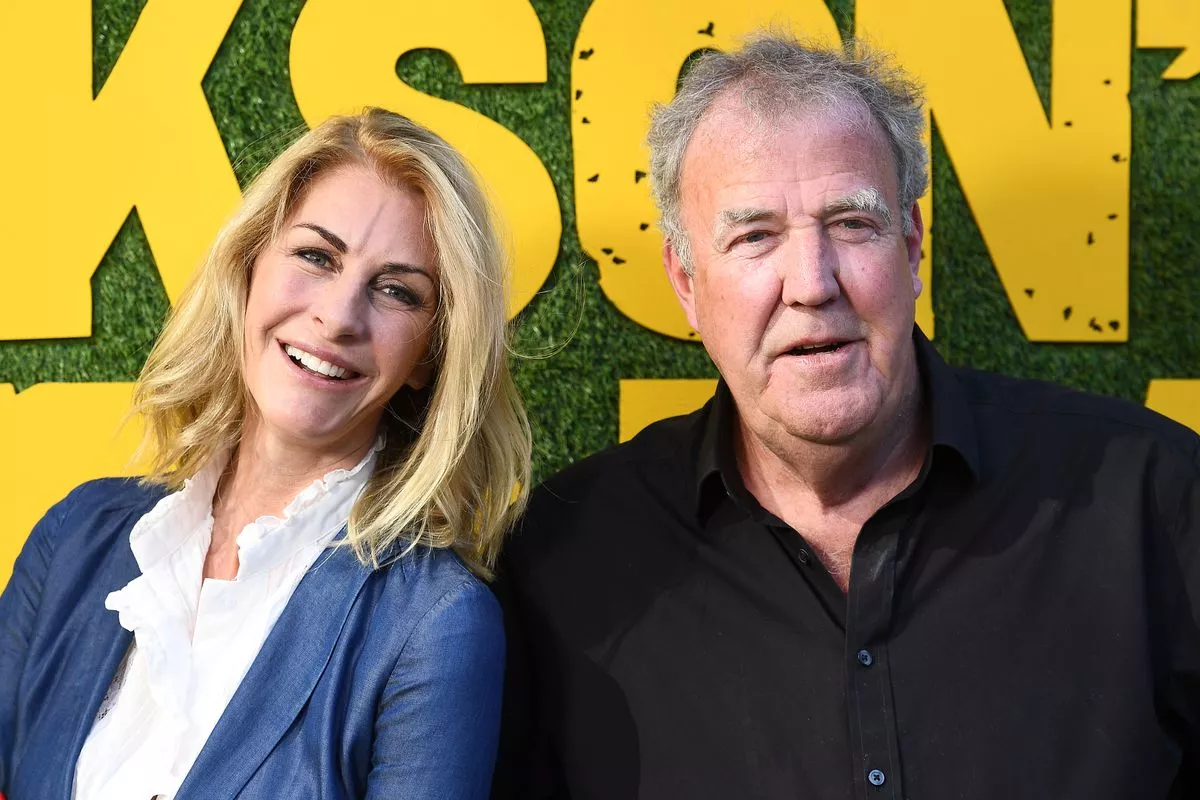
The show follows Clarkson alongside his partner Lisa Hogan and farm manager Kaleb Cooper, whose straight-talking pragmatism has become central to the programme’s appeal. Together, they have navigated crop failures, livestock challenges, planning disputes and shifting agricultural policy.
Season five, already completed, will continue that trajectory. However, Clarkson has indicated the forthcoming instalment reflects what he described as a particularly punishing year.
A Difficult Year Behind the Scenes
According to Clarkson, the past twelve months have brought a succession of setbacks. Beyond adverse weather, he has referenced personal health issues and broader economic strains affecting the agricultural sector.
Changes introduced in the UK government’s latest budget have also weighed heavily on farmers, particularly amid concerns about rising costs and policy uncertainty. While Clarkson’s Farm is known for its comedic tone, Clarkson has suggested that the upcoming series may present a more sober reflection of rural life under sustained pressure.
The decision to halt filming underscores how closely the programme remains tied to real-world farming conditions. Unlike scripted productions, the series depends entirely on seasonal cycles and operational activity.
What It Means for Season Six
The pause does not affect season five’s release schedule, which remains on track. However, the timeline for season six now depends largely on improved weather and the lifting of farming constraints.
Agricultural experts note that prolonged soil saturation can delay recovery even after rainfall subsides. Fields require time to dry and regain workable structure before heavy machinery can return without causing long-term compaction damage.
For viewers, the interruption may heighten anticipation. For Clarkson and his team, it represents another reminder that farming — televised or otherwise — is governed by forces beyond human control.
A Show Rooted in Reality
Since its launch, Clarkson’s Farm has offered audiences an unusually transparent window into modern British agriculture. Its success has been built not only on Clarkson’s persona, but on the authenticity of the challenges portrayed: fluctuating commodity prices, regulatory hurdles and volatile weather patterns.
The current production halt reinforces that authenticity. When farming stops, so too does filming.
Whether improved conditions later this year allow cameras to resume remains uncertain. What is clear is that the series’ future — much like the crops at Diddly Squat — depends on cooperation from the climate and a return to operational stability.
For now, viewers await season five, while season six stands paused in the mud of an exceptionally wet British winter.
