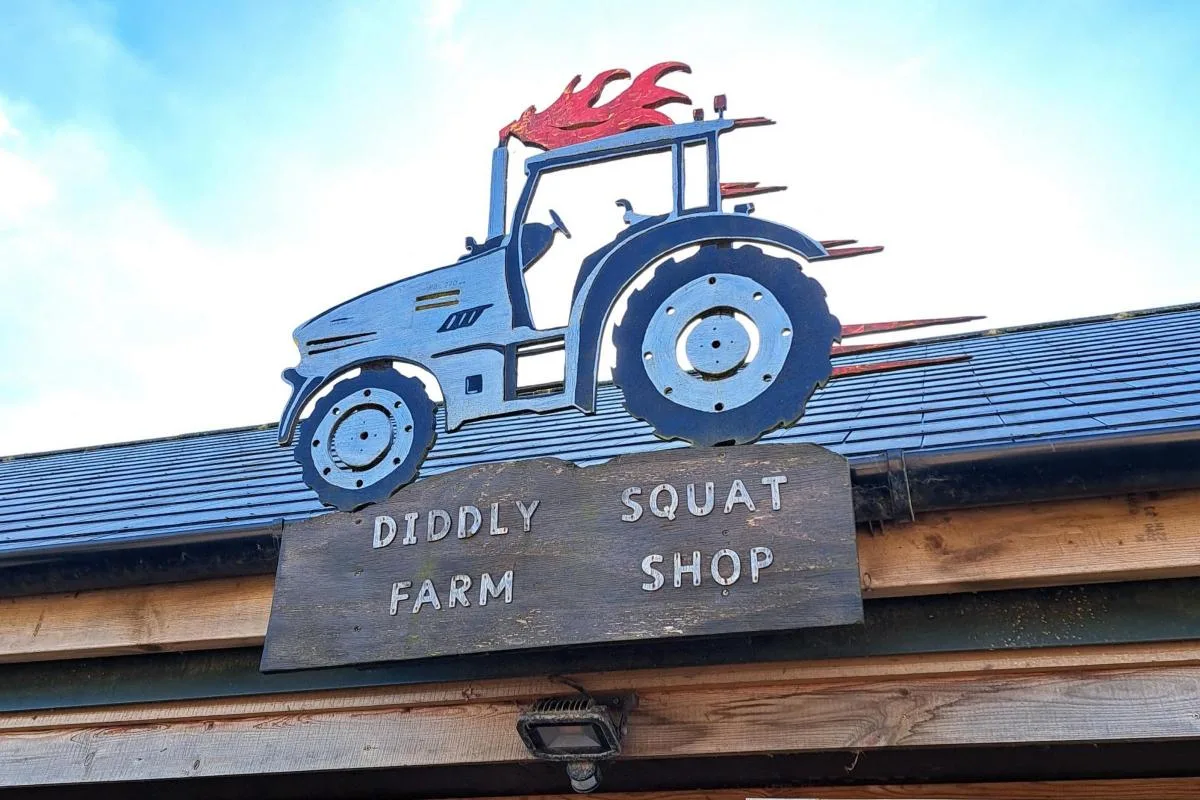
Visitors to Jeremy Clarkson’s Diddly Squat Farm Shop have voiced frustration online after discovering that the popular Cotswolds destination no longer accepts cash payments — a policy that has divided opinion among fans and customers alike.
The former Top Gear host, who bought his 1,000-acre Diddly Squat Farm in Chadlington, Oxfordshire, back in 2008, has transformed the once-quiet property into one of Britain’s most famous farming attractions, thanks to the success of his hit Prime Video series Clarkson’s Farm.
Clarkson, along with his partner Lisa Hogan, opened the Diddly Squat Farm Shop in 2020, offering local produce, Hawkstone beer, and other farm-branded merchandise. What began as a humble farm outlet quickly evolved into a tourist hotspot, attracting thousands of fans eager to experience a slice of Clarkson’s rural life firsthand.
The Expansion and the Issue
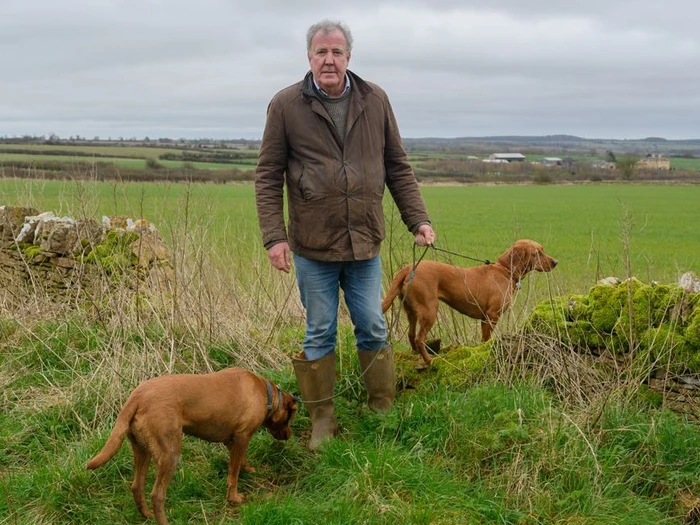
In 2024, the Diddly Squat brand expanded further with the launch of a pop-up version of the farm shop at Clarkson and Hogan’s pub, The Farmer’s Dog, located in the nearby village of Asthall.
The expansion coincided with the pub’s grand opening in August and was housed inside the iconic Grand Tour tent — a nostalgic nod to Clarkson’s motoring days.
Inside the pop-up, customers can browse an array of products, including Hawkstone Lager, meat from the Hops & Chops butcher, and limited-edition Clarkson’s Farm merchandise. However, amid the buzz and brisk sales, a policy detail has caught some visitors off guard: the shop is card-only, meaning cash payments are not accepted.
Fans Take Their Complaints Public
The decision has sparked backlash online, particularly from customers who prefer traditional payments. One frustrated fan took to X (formerly Twitter) to directly question the TV star, writing:
“Why won’t you accept cash at your shop? Do you support digital currency? Bad move, my son.”
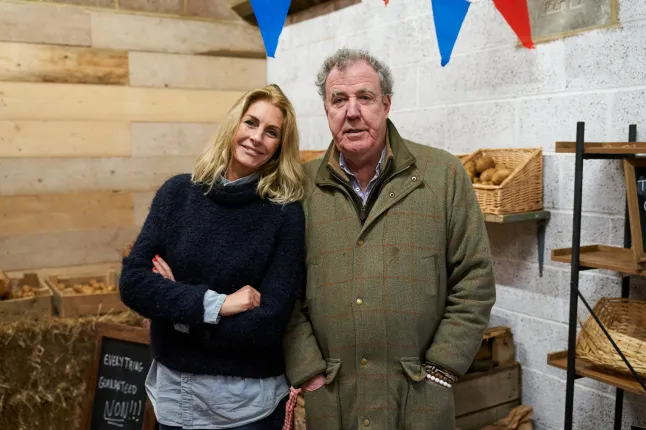
Clarkson himself replied candidly, acknowledging the fan’s concern but defending the decision as a matter of practicality rather than ideology:
“I’m with you. But it’s just completely impractical, I’m afraid.”
His response triggered a wave of mixed reactions. Some fans applauded the convenience of cashless systems, while others criticized the shift as another sign of modern commerce moving away from personal, local transactions.
Another user chimed in with a detailed explanation supporting the farm’s stance, saying:
“If you take cash, you have a near impossible task of trying to find a bank on the high street that’s not been closed down to deposit said cash.
The amount that Diddly Squat Farm Shop takes would be dangerous to have just lying around.
Cash is king — just not practical anymore, unfortunately.”
Security and Banking Challenges
Insiders have suggested that security concerns and rural banking logistics may be driving the no-cash policy. With most local branches in the Oxfordshire area having closed over recent years, small businesses face increasing challenges when it comes to storing or depositing large amounts of cash safely.
As one retail expert explained, “A business as busy as Diddly Squat takes in thousands of pounds per day, especially during weekends and holidays. Without nearby bank branches, transporting or storing cash becomes a liability.”
Moreover, going cashless allows for faster service, reduced human error, and streamlined accounting, making it easier for high-traffic retail spots like Diddly Squat to function efficiently — especially during the heavy tourist seasons.
Fans Divided but Still Loyal
Despite the uproar, many fans remain supportive of Clarkson’s pragmatic approach. Some social media users noted that nearly all large-scale rural businesses have adopted similar policies in recent years, particularly after the pandemic accelerated digital payment adoption.
Still, others insist that the move alienates older customers and diminishes the charm of what was originally a small, traditional farm shop. “It’s ironic,” one fan posted. “You build this brand around authenticity and countryside simplicity — and now you can’t even pay with a fiver.”
Clarkson’s Balancing Act
For Jeremy Clarkson, the challenge lies in balancing the demands of modern commerce with the rustic, down-to-earth image that defines Clarkson’s Farm. His outspoken nature ensures that every decision — from environmental practices to payment policies — becomes a talking point among fans.
While the no-cash controversy might frustrate some visitors, the Diddly Squat empire shows no signs of slowing down. With the upcoming Season 5 of Clarkson’s Farm already filmed and expected to air in 2026, and the Farmer’s Dog pub continuing to attract both locals and tourists, Clarkson’s rural brand remains one of the most talked-about success stories in British television and business.
Bottom Line
The Diddly Squat Farm Shop’s cashless policy may have ruffled feathers, but it highlights the broader challenges facing rural enterprises in an increasingly digital economy.
As one fan aptly summarized:
“It’s not about refusing cash — it’s about survival. The farm’s still the same, even if the till isn’t.”
