
Celebrity chef Gordon Ramsay has been labelled a “fame-addict” and accused of “desperately wanting to be Jeremy Clarkson” following the release of his new Netflix documentary, Being Gordon Ramsay.
The comparison centres on the enduring popularity of Jeremy Clarkson, best known for his tenure on Top Gear and The Grand Tour, where he formed a globally recognised presenting trio alongside Richard Hammond and James May. In recent years, Clarkson has enjoyed renewed success with Clarkson’s Farm on Prime Video, a documentary-style series chronicling the challenges of running Diddly Squat Farm in Chadlington, Oxfordshire. With four seasons already released and a fifth confirmed, the programme has established itself as a significant streaming hit, praised for its blend of rural reality, business pressures and Clarkson’s distinct on-screen persona.
Against that backdrop, Ramsay’s latest venture has drawn scrutiny. Being Gordon Ramsay, released this week on Netflix, adopts a fly-on-the-wall format, following the 59-year-old restaurateur through professional commitments and family life. However, The Sun columnist Ally Ross offered a sharply critical assessment after watching the series.
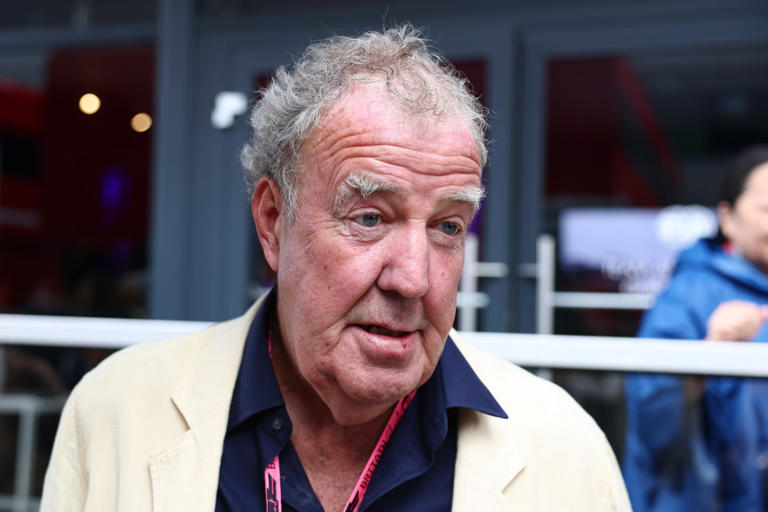
In his review, Ross described Ramsay as “pathetic” and characterised him as a “fame-addict”, suggesting that the chef’s new documentary appears to mirror the tone and structure of Clarkson’s Farm. According to the columnist, the production seems eager to replicate the candid, behind-the-scenes formula that has resonated so strongly with Clarkson’s audience.
Ross argued that the series attempts to fill narrative space with a supporting cast of familiar faces — including Ramsay’s personal trainer Chris, interior designer Russell and Gianni, who is depicted facing criticism over a design misstep involving aprons. Yet, he contended that these figures are given little room to develop, as the focus consistently returns to Ramsay himself.
“The only people Ramsay’s really prepared to share the limelight with are members of his family,” Ross wrote, adding that they appear in cameo-style roles connected to minor celebrity disputes. In his view, even these moments ultimately circle back to the chef’s own persona and public image.
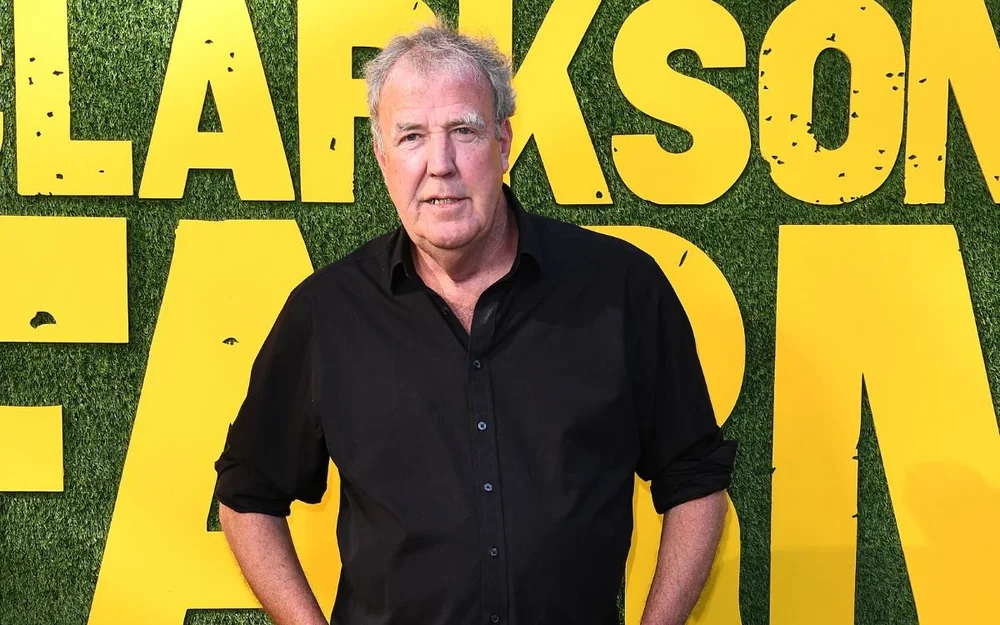
The criticism hinges on tone as much as content. While Clarkson’s Farm has often been praised for showcasing vulnerability, setbacks and a broader ensemble dynamic — including farm manager Kaleb Cooper and partner Lisa Hogan — Ross suggested that Being Gordon Ramsay feels more tightly controlled, with less emphasis on unpredictability and more on reinforcing Ramsay’s established brand.
Neither Ramsay nor Netflix has publicly responded to the remarks. The chef remains one of Britain’s most recognisable culinary exports, with a portfolio that spans restaurants, competitive cooking shows and international media ventures.
Whether Being Gordon Ramsay will match the cultural impact of Clarkson’s Farm remains to be seen. For now, the debate highlights how documentary-style series centred on strong personalities invite inevitable comparison — particularly when another high-profile broadcaster has already set a benchmark for the genre.
