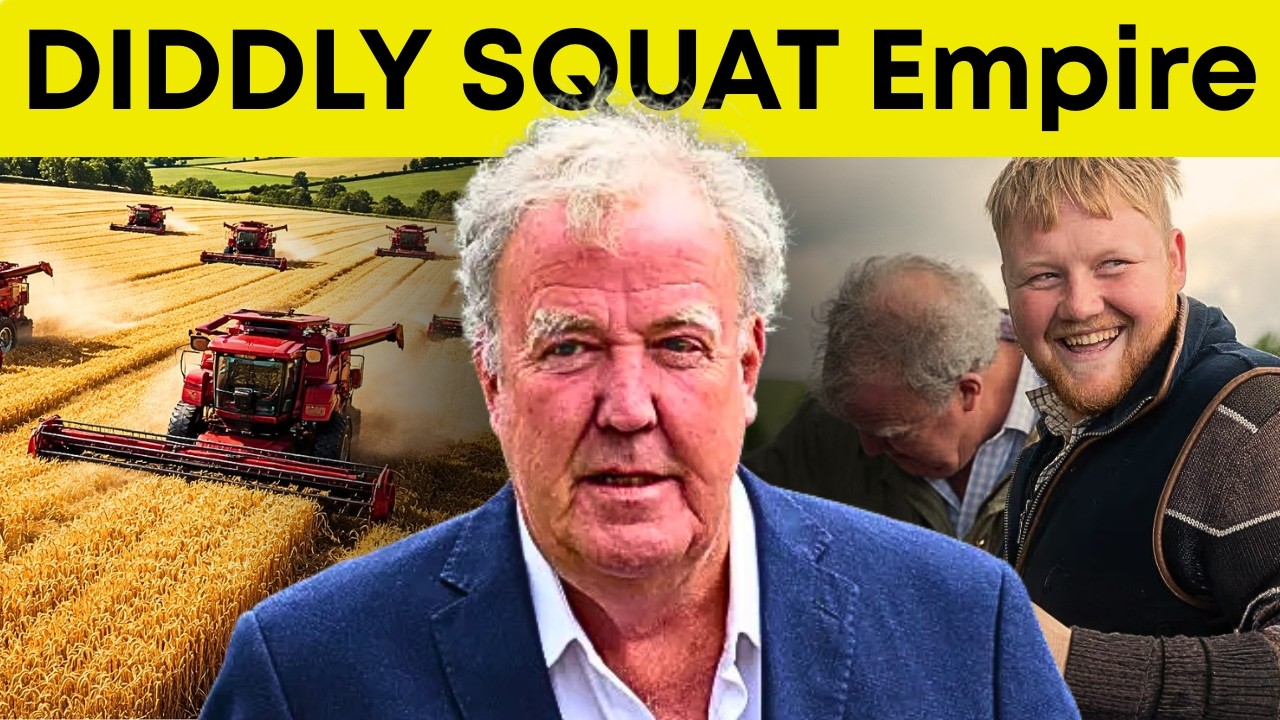
Chadlington, Oxfordshire – What began in 2008 as a modest experiment in farming has become one of Britain’s most remarkable property and business success stories. Jeremy Clarkson, famed for Top Gear and The Grand Tour, purchased 1,000 acres of Cotswold limestone farmland for £6 million. In his first year, the farm turned a meager £144 profit—but that was never the real point.
Today, Diddly Squat Farm is worth an estimated £12.5 million. Beyond the farmland, Clarkson has created a media, retail, and hospitality empire. Hawkstone Brewery, built from an early barley crop that failed brewing standards, now posts annual sales of £21 million. The Farmer’s Dog pub, employing 146 people, serves exclusively British produce, generating prestige and brand loyalty even while operating at a nominal loss. Meanwhile, the farm shop has grown from a small shed selling surplus potatoes to a destination business, bringing in over £1.3 million in sales and showcasing local producers within a 16-mile radius.
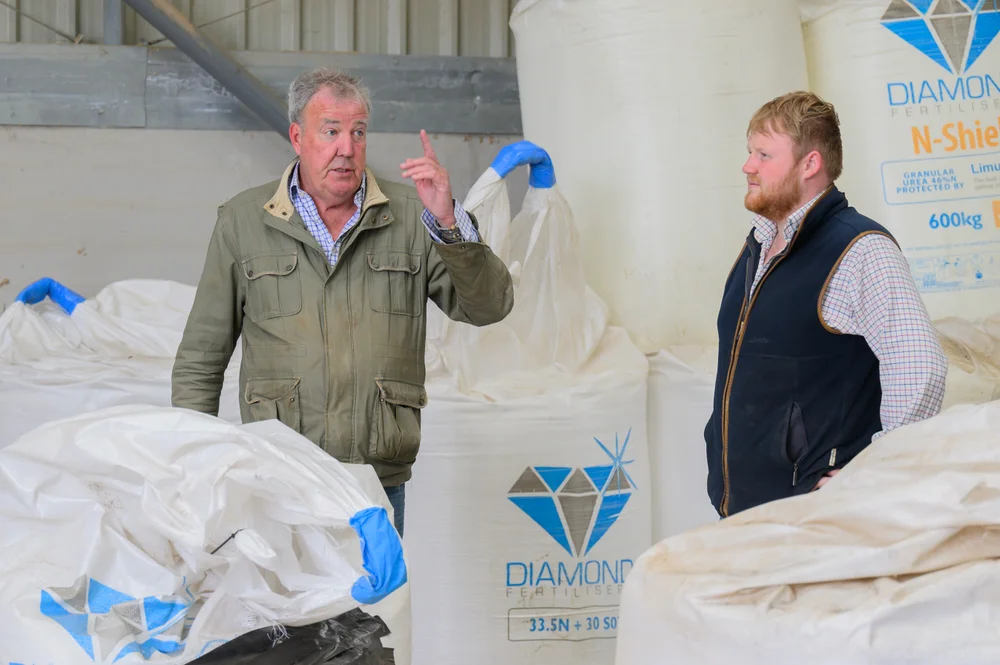
Clarkson’s business model defies traditional farming logic. Agricultural failures—flooded fields, pigeon-ravaged oilseed, barley unsuitable for brewing—are monetized through television. Each setback is captured on the Prime Video series Clarkson’s Farm, which reportedly pays him £10–12 million annually. “Every tractor breakdown, every flooded field, every enforcement notice from the council is content. All of it is revenue,” Clarkson explained. By turning genuine agricultural struggles into compelling stories, Clarkson has built a farm that is financially insulated against the very risks that threaten ordinary farmers.
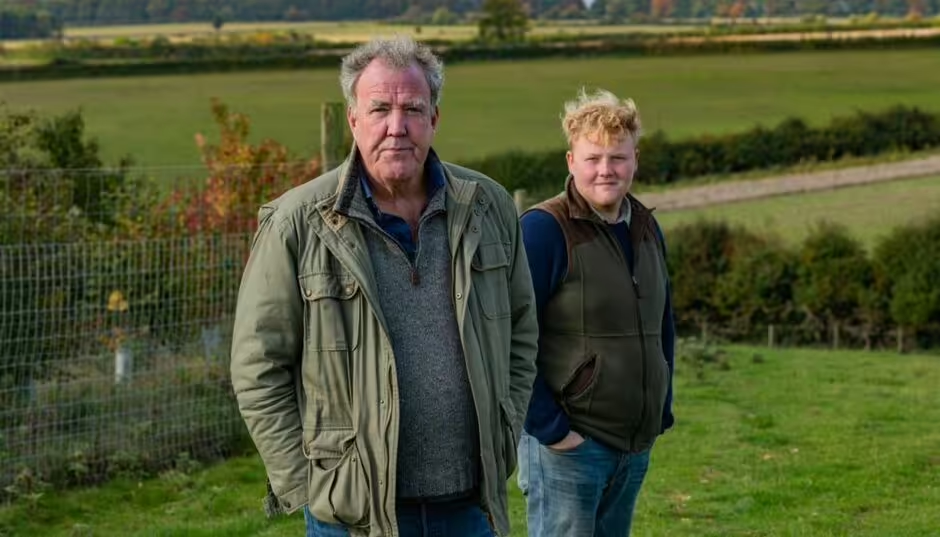
The success extends beyond profit. Farm manager Caleb Cooper, once a local Cotswold farmer, is now a celebrity in his own right with a net worth approaching £1 million and his own touring show. Cooper’s expertise and authentic presence form the emotional and operational backbone of the enterprise, contrasting Clarkson’s celebrity with practical rural knowledge. This combination of authenticity and entertainment has made Diddly Squat both a commercial and cultural phenomenon.
Clarkson’s strategic ingenuity also transformed regulatory obstacles into opportunities. The council-mandated 16-mile sourcing rule for the farm shop became a narrative and marketing asset, highlighting local producers and giving them national exposure. Similarly, battles over planning permissions for car parks and facilities added tension to the series while generating publicity worth far more than the concessions themselves.
The farm, brewery, pub, and television series together employ over 200 people and have created a national showcase for British agriculture. Events like the upcoming 2026 Cereals Agricultural Trade Event, expecting 30,000 professional farmers, further cement Diddly Squat’s status as both a business and cultural hub.
From a £144 profit to an empire spanning television, brewing, retail, and hospitality, Clarkson has quietly demonstrated the intersection of storytelling, business acumen, and strategic asset management. The man in the wide-brimmed hat may appear chaotic and eccentric, but his empire proves otherwise: failure, properly framed, can be the foundation for extraordinary success.
