Harriet Cowan of Clarkson’s Farm Opens Up About the Real Challenges for Women in Agriculture

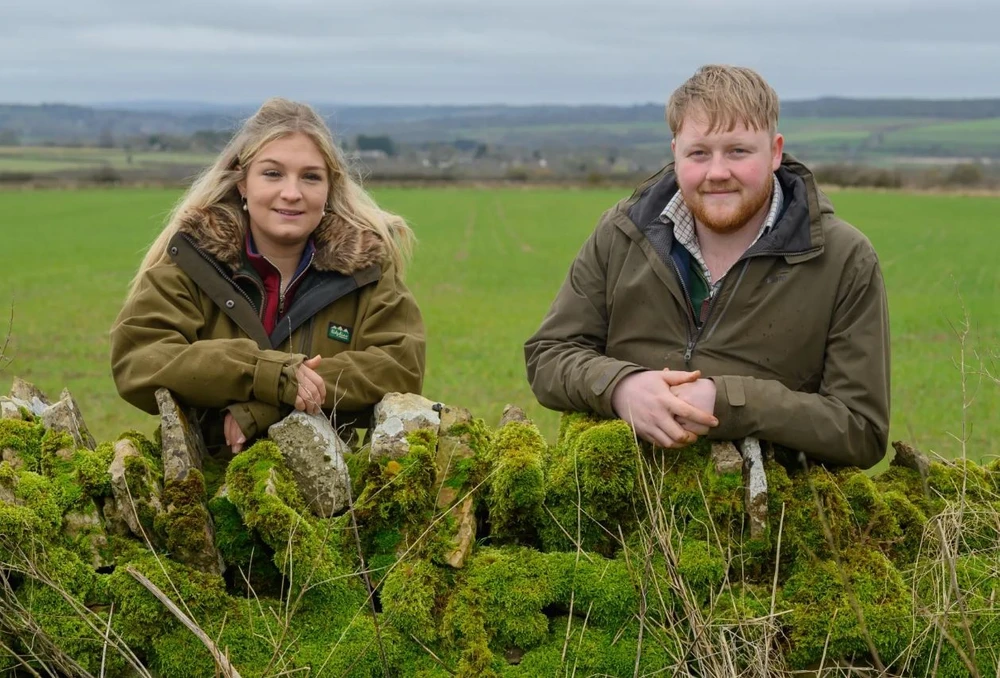
In the ever-popular world of agricultural entertainment, Clarkson’s Farm has captured the hearts of viewers worldwide with its blend of humor, hardship, and heartfelt moments on Diddly Squat Farm. The Amazon Prime Video series, fronted by the outspoken Jeremy Clarkson, has introduced audiences to a cast of memorable characters who bring the realities of British farming to life. Among the latest additions to this ensemble is Harriet Cowan, a young and dynamic farmer from Derbyshire, who made her debut in the fourth season released earlier this year between May and June. Her appearance, though brief, left a lasting impression on fans, showcasing her skills and resilience in a field often dominated by stereotypes.
Harriet, at just 24 years old, stepped into the spotlight temporarily to fill the boots of longtime fan favorite Kaleb Cooper. While Kaleb was away on a nationwide tour promoting his own ventures, Harriet lent her expertise to help Jeremy manage the day-to-day operations at the farm located in the picturesque village of Chadlington, Oxfordshire. Her role involved everything from operating heavy machinery to tackling the unpredictable challenges that come with running a working farm. Despite only appearing midway through the series and departing once Kaleb returned, Harriet quickly won over viewers with her no-nonsense attitude, practical knowledge, and genuine passion for agriculture. Social media buzzed with praise for her, highlighting how she brought a fresh perspective to the show, particularly as a young woman navigating the industry.
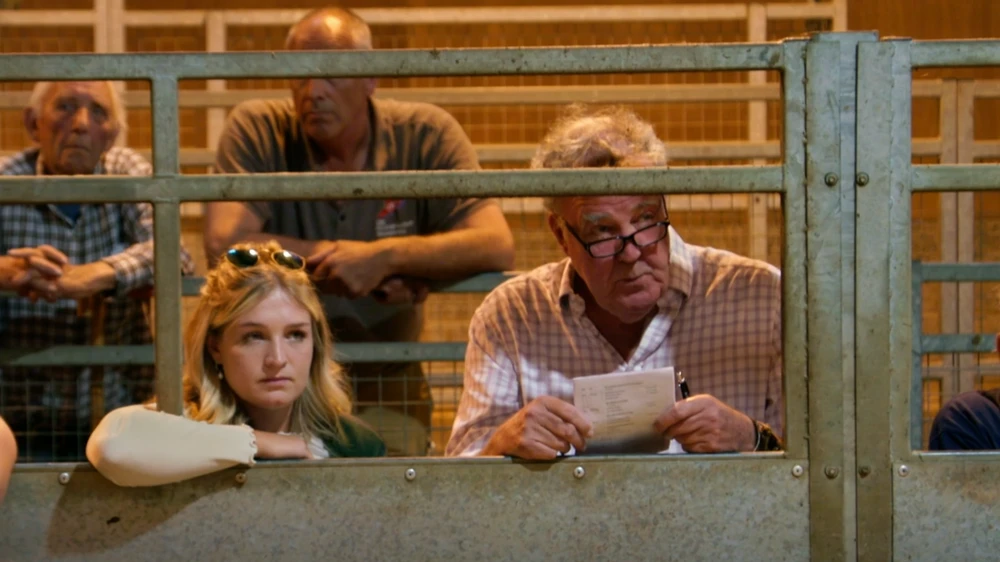
Building on her newfound fame from Clarkson’s Farm, Harriet has now ventured into writing, sharing her personal insights with a broader audience. She has committed to penning a series of three articles for Farmers Guardian, a respected publication dedicated to the farming community. These pieces are set to be released over the coming three months, offering readers an intimate look into her experiences and thoughts on the sector. The inaugural article dropped on Friday, January 9, 2026, and it doesn’t shy away from addressing some of the tougher aspects of farming life—specifically, the unique hurdles faced by women in this traditionally male-dominated field.
In her candid writing, Harriet confronts the question she’s frequently asked: Is it tough being a woman in farming? Her response is refreshingly straightforward and honest. “As a woman in farming, I am often asked if it is difficult to work in a predominantly male industry, and the honest truth is: sometimes, yes,” she wrote. She elaborates on the subtle and not-so-subtle biases that persist, explaining how she occasionally finds herself needing to “prove myself twice over” just to be taken seriously. Assumptions about her capabilities can arise even before she’s had a chance to demonstrate them—like judgments made the moment she steps into a tractor cab. These experiences highlight the ongoing gender disparities in agriculture, where women must often work harder to earn the same respect as their male counterparts.
However, Harriet’s narrative isn’t solely one of struggle; she balances it with positive reflections on her supportive community. Growing up immersed in farming in Derbyshire, she describes a network where she’s never been viewed as less capable than the “lads” she works alongside. This sense of equality in her local circles has been a cornerstone of her career. She recounts a particularly affirming moment from her first major contracting job, where her boss openly preferred hiring women for driving roles. “He would say he would rather have women driving because they take more care, and the tractor stays cleaner,” she shared. This anecdote underscores a counter-narrative: that women bring unique strengths to farming, such as attention to detail and meticulousness, which can enhance operations in meaningful ways.
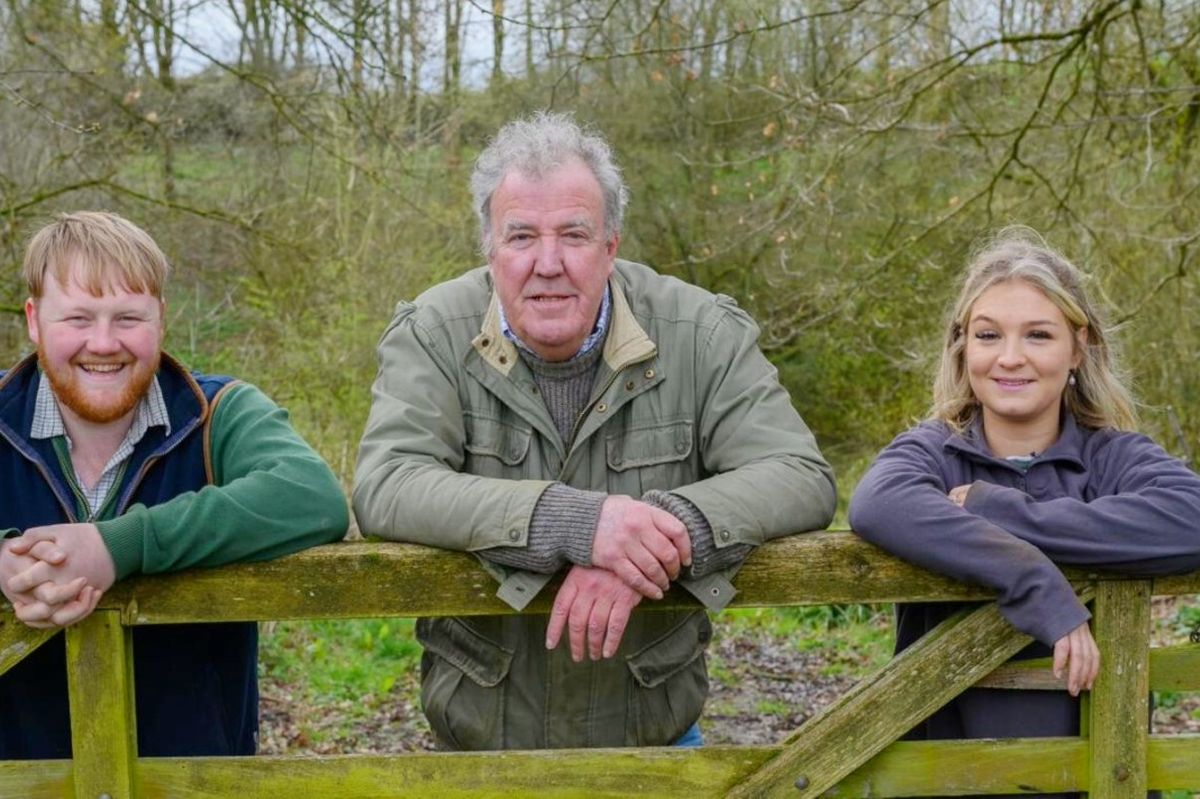
Harriet’s background adds depth to her story. Beyond her farming roots, she’s also a trained community nurse, blending her agricultural passion with a commitment to health and wellbeing in rural areas. Her dual expertise has positioned her as an advocate for mental health in farming, a topic she’s touched on in interviews. In a previous appearance on BBC Breakfast, when probed about the possibility of returning to Clarkson’s Farm, she kept things open-ended and pragmatic. “We’ve always left it very open. I’m here if he needs me, but no plans at the minute. If he needs me, I’m here,” she said. This flexibility reflects her grounded approach to life—ready to step up when called upon, but focused on her own path in the meantime.
Her rise to prominence has also allowed her to challenge broader stereotypes in the industry. In discussions with the BBC, Harriet has emphasized the need to redefine what a “farmer” looks like, pushing back against the image of a middle-aged man in a checked shirt. She points out the historical role of women in agriculture, especially during wartime when they kept farms running, and calls for greater recognition of female contributions today. “Us women are out here and farmers too,” she asserted, aiming to inspire younger generations and encourage more diversity in the field.
As Harriet continues her column series with Farmers Guardian, readers can expect more personal anecdotes and reflections on how farming has shaped her identity. From her unexpected journey into the spotlight via Clarkson’s Farm to her advocacy for women and mental health, she’s becoming a voice for change in agriculture. Her story resonates not just with fans of the show but with anyone interested in the evolving landscape of rural life in the UK. With two more articles on the horizon, there’s much anticipation for what insights she’ll share next, potentially delving deeper into topics like sustainability, community support, or the intersection of farming and healthcare.
In an era where farming faces mounting pressures from climate change, economic uncertainties, and societal shifts, voices like Harriet’s are crucial. They remind us that behind the entertaining antics of shows like Clarkson’s Farm lie real people tackling real issues—and sometimes, the “honest truth” about those difficulties is exactly what needs to be heard to drive progress.