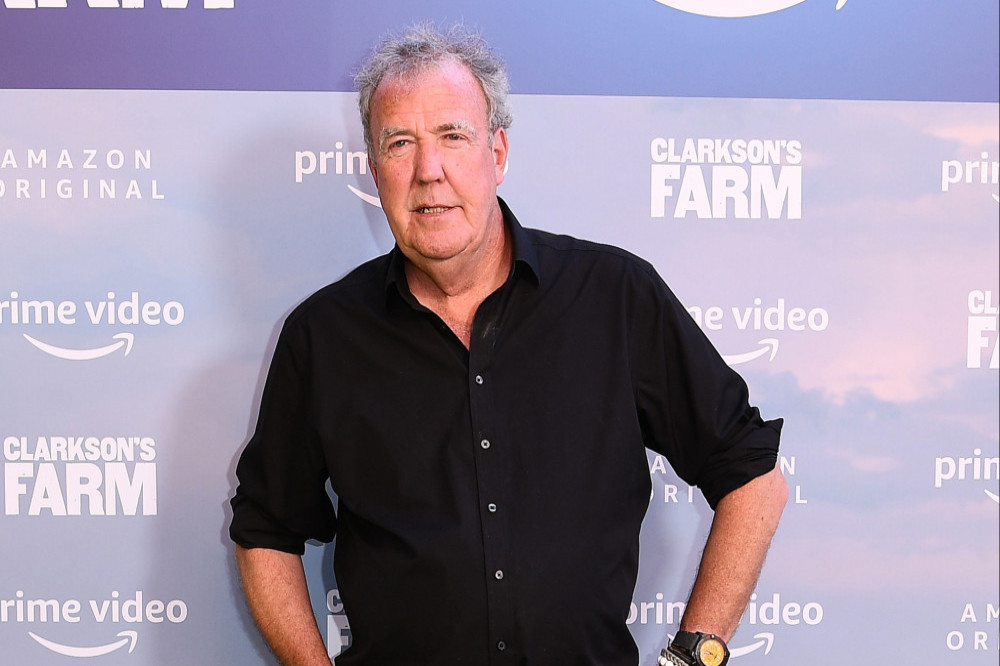
Jeremy Clarkson has added another unexpected title to his résumé: brewery founder.
The former motoring presenter, best known for fast cars and forthright opinions, now presides over Hawkstone Brewery, a drinks brand reportedly valued at around £75m. The venture, born from surplus barley grown on his Diddly Squat Farm in Oxfordshire, has evolved into one of the fastest-growing independent beer brands in Britain.
From Unwanted Barley to Business Pivot
The story began in 2020, when Clarkson harvested roughly 1,000 acres of barley during his early years as a farmer. The crop was high quality, but buyers proved reluctant. Major maltsters showed little interest in small volumes linked to a television personality, while merchant offers were said to be too low to cover production costs.
Rather than sell at a loss, Clarkson chose vertical integration: turning the barley into lager.
Hawkstone Lager launched in October 2020 — at the height of pandemic restrictions that had shuttered pubs nationwide. Industry observers questioned the timing. Yet consumer spending patterns had shifted toward at-home consumption, and premium grocery purchases surged.
Within months, demand reportedly exceeded brewing capacity.

A Local Supply Chain Model
Unlike many large-scale brewers reliant on global commodity sourcing, Hawkstone positioned itself as a locally supplied product. Barley was grown on Clarkson’s farm and neighbouring holdings in Oxfordshire and Gloucestershire, creating what the company describes as a direct link between field and bottle.
The approach increased production costs but strengthened its rural branding. The company has framed the strategy as support for British agriculture at a time when many farmers face tight margins.
Expansion followed quickly. By 2022, the range included a pilsner, an IPA and a cider produced with traditional apples sourced from the Vale of Evesham and the Cotswolds. The cider entered a competitive category dominated by multinational brands yet secured listings alongside established names.
Supermarkets and Pubs
Within two years, Hawkstone secured distribution agreements with major supermarket chains including Tesco, Sainsbury’s, Waitrose and Morrisons. According to company figures, the brand has outperformed several longer-standing craft labels in certain outlets.
Accessing the pub trade proved more complex. Much of Britain’s on-trade market operates through exclusive supply agreements tied to large brewing groups. Instead of pursuing those channels, Hawkstone focused on independent pubs, offering direct supply and margin incentives.
The strategy expanded the brand into more than 500 pubs nationwide, aided by Clarkson’s public profile and visitor traffic to the Diddly Squat Farm Shop, where the product became a flagship item.
Rural Employment and Brand Growth
The brewery, based in the Cotswolds, has created dozens of jobs, according to company statements, with wages described as above industry standard. Clarkson has frequently linked the venture’s commercial aims with a broader narrative about sustaining rural economies.
By 2023, Hawkstone reported national distribution growth and early export agreements to markets including Europe, Australia and Canada. Branded merchandise and tourism initiatives — including brewery tours — have extended the business beyond beverages.
More Than a Celebrity Label
Celebrity-backed alcohol brands are not uncommon, yet many rely primarily on licensing deals. Hawkstone’s model differs in its integration with agricultural production and its association with Clarkson’s Farm, which has drawn global attention to the economics of British farming.
Critics argue that Clarkson’s media platform provides an advantage unavailable to smaller brewers. Supporters counter that the venture demonstrates how direct supply chains and rural branding can resonate with consumers.
For Clarkson, the project began with a problem: barley no one wanted to buy. Five years later, it stands as one of the most visible examples of farm-led value creation in Britain’s drinks sector.
What started in a tractor shed has become a national brand — and a case study in how surplus grain can be transformed into a multi-million-pound enterprise.
