How Jeremy Clarkson Turned a £6 Million Farm Purchase Into a Modern Rural Enterprise

In 2008, as the global financial system faltered and investors rushed for safety, Jeremy Clarkson made a decision that puzzled even his closest friends. While banks collapsed and markets plunged, the television presenter best known for fast cars quietly spent £6 million on 1,000 acres of farmland in the Cotswolds.
At the time, the move appeared ill-judged. Clarkson had spent two decades discussing supercars, not soil. Farming, to many observers, looked like an eccentric diversion rather than a serious plan. Yet the purchase was driven less by romance than by calculation. British farmland, unlike volatile financial assets, has long been viewed as a stable store of value. Today, that same land is estimated to be worth around £12.5 million, almost double its original price, before accounting for any agricultural or commercial income.
What followed, however, was not a straightforward investment story.
A Farm That Barely Paid Its Way
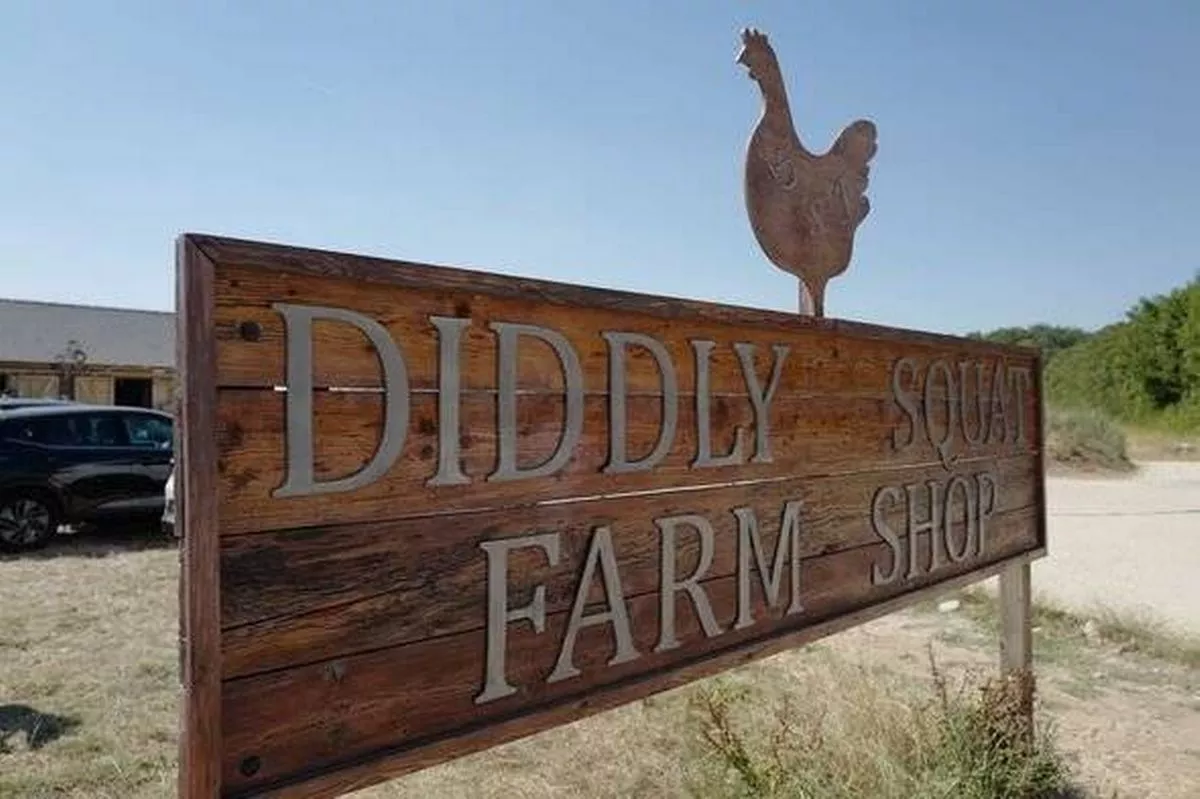
When Clarkson began actively farming the land that would become Diddly Squat Farm, the results were sobering. After a year of hard work, equipment failures, poor weather and inexperience, the business recorded a profit of just £144. The figure became a source of public amusement and reinforced the perception that farming was best left to professionals.
Yet the narrow focus on annual profit missed a larger shift taking place. Clarkson’s television career continued to provide significant income, and before long, the farm itself became the subject of a new series for Amazon Prime Video.
With the launch of Clarkson’s Farm, the land took on a second function. It was no longer only an agricultural operation, but also a working production location. Crop failures, machinery breakdowns and disputes over planning rules became central to a series that quickly grew into one of the platform’s most watched UK originals.
From Surplus Potatoes to a Retail Phenomenon
The next transformation came from a practical problem. After harvesting 40 tonnes of potatoes, Clarkson discovered that supermarkets had little interest in buying small quantities from an inexperienced grower. Rather than let the crop go to waste, he erected a modest wooden shed and began selling produce directly.
The farm shop was not carefully planned. It was an improvised solution to a logistical issue. Yet following the broadcast of the series, visitor numbers rose sharply. Within a year, the shop’s assets increased from £44,000 to £1.34 million.
The popularity created fresh challenges. Rural roads designed for tractors and livestock became congested with visitors. Local frustration grew, and the situation drew the attention of West Oxfordshire District Council, which raised concerns about traffic, access and development in an area designated as outstanding natural beauty.
Planning applications for car parks, improved access and expanded facilities were repeatedly rejected, setting the stage for an ongoing dispute between the farm and local authorities. While the conflict created operational difficulties, it also became a defining element of the television series, framing Clarkson as a landowner navigating an increasingly complex regulatory environment.
Adding Value Beyond the Field
Recognising that traditional farming margins remained tight, Clarkson began exploring ways to retain more value from what the land produced. Barley grown on the farm was used to launch Hawkstone Lager, a branded beer that rapidly exceeded expectations.
By early 2025, Hawkstone reported sales of £21.3 million, up from £7.8 million the previous year. Distribution expanded to thousands of pubs and major UK supermarkets, turning what began as a farm-based experiment into a national drinks brand.
Hospitality followed. Clarkson invested around £1 million in a nearby pub, later renamed The Farmer’s Dog. The venue, which prioritises British-sourced ingredients, operates on slim margins but serves as a showcase for domestic farming and a major outlet for Hawkstone products.
The Role of Kaleb Cooper
Central to the operation is Kaleb Cooper, who managed the land long before Clarkson arrived. Cooper’s practical knowledge provided stability in an enterprise marked by constant change. Since the series began, his profile has grown significantly, leading to publishing deals, live tours and personal financial security.
Despite the attention, Cooper remains closely tied to day-to-day farming, and his presence continues to anchor the project in genuine agricultural practice.
A Business Shaped by Constraints
Further planning restrictions required that goods sold at the farm shop be sourced from within a six-mile radius. Initially seen as a threat to viability, the rule ultimately reshaped the business. The shop evolved into a platform for local producers, strengthening links with neighbouring farms and reinforcing its regional identity.
Today, Diddly Squat Farm represents something more complex than a single enterprise. The land, retail operation, brewery, hospitality venue and television production function as an interconnected system. What began as a £6 million land purchase during a financial crisis has developed into a rural business model built on diversification, visibility and adaptation.
For Clarkson, the experience has illustrated a modern reality of British farming: survival often depends not just on what is grown, but on how the story around it is told.