Jeremy Clarkson Admits He ‘Had No Idea’ About the Real Threat Facing Teenagers Today

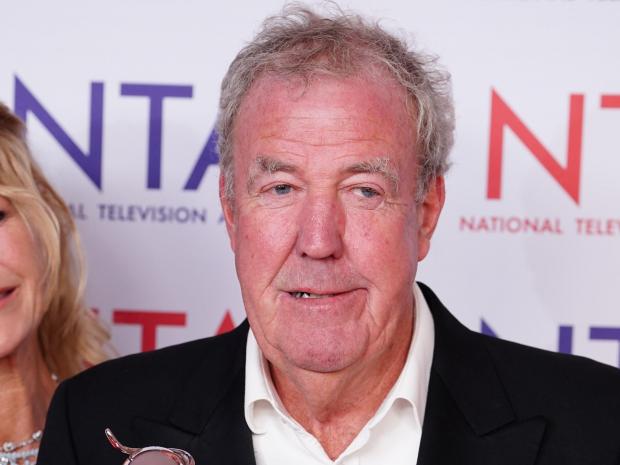
Oxfordshire farmer and broadcaster Jeremy Clarkson has spoken candidly about what he now considers a “serious problem” facing modern teenagers, admitting he was largely unaware of the scale of the issue when his own children were growing up.
The former Top Gear and The Grand Tour presenter, who now divides his time between agriculture and media projects, owns Diddly Squat Farm in Chadlington, which he took over in 2008. In 2024, he expanded his rural business interests by opening The Farmer’s Dog pub in Asthall, near Burford. Both ventures in the Cotswolds have become central backdrops to the Prime Video documentary series Clarkson’s Farm, which first launched in 2021 and has since become one of the platform’s most successful factual entertainment titles.
However, in his latest column for The Sun, Clarkson turned his attention away from crop yields and council disputes to reflect on the pressures confronting younger generations. The 65-year-old said he had once assumed that traditional teenage risks — including drugs and dangerous driving — were the primary concerns for parents. In hindsight, he believes he underestimated a far more pervasive threat.
“When my kids were teenagers, I worried about them taking drugs and going on motorbikes,” he wrote. “I simply had no idea that the real danger was lurking in their telephones.”
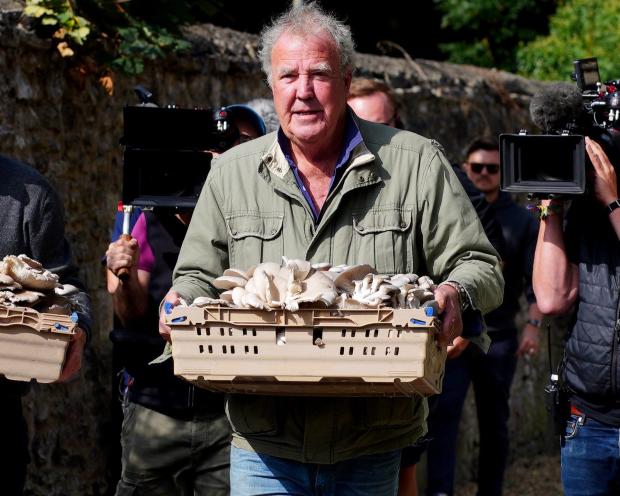
Clarkson explained that his perspective shifted after watching the HBO drama series Euphoria, which explores themes including identity, peer pressure, online influence and adolescent mental health. Although he admitted the programme would not normally align with his viewing preferences, he described the experience as eye-opening.
“God knows what possessed me to tune in — teenage angst and a lot of male nudity is not my thing normally — but Lord, I’m glad I did,” he wrote. “I know it’s a drama, but if only half of the issues are real, society has a serious problem.”
His remarks reflect a growing public debate in the UK and beyond about the impact of smartphones and social media on young people’s wellbeing. Policymakers, educators and parents have increasingly raised concerns about screen time, online exposure, and the pressures created by digital platforms. Clarkson’s comments suggest that, like many parents, he only began to appreciate the scale of the challenge after the fact.
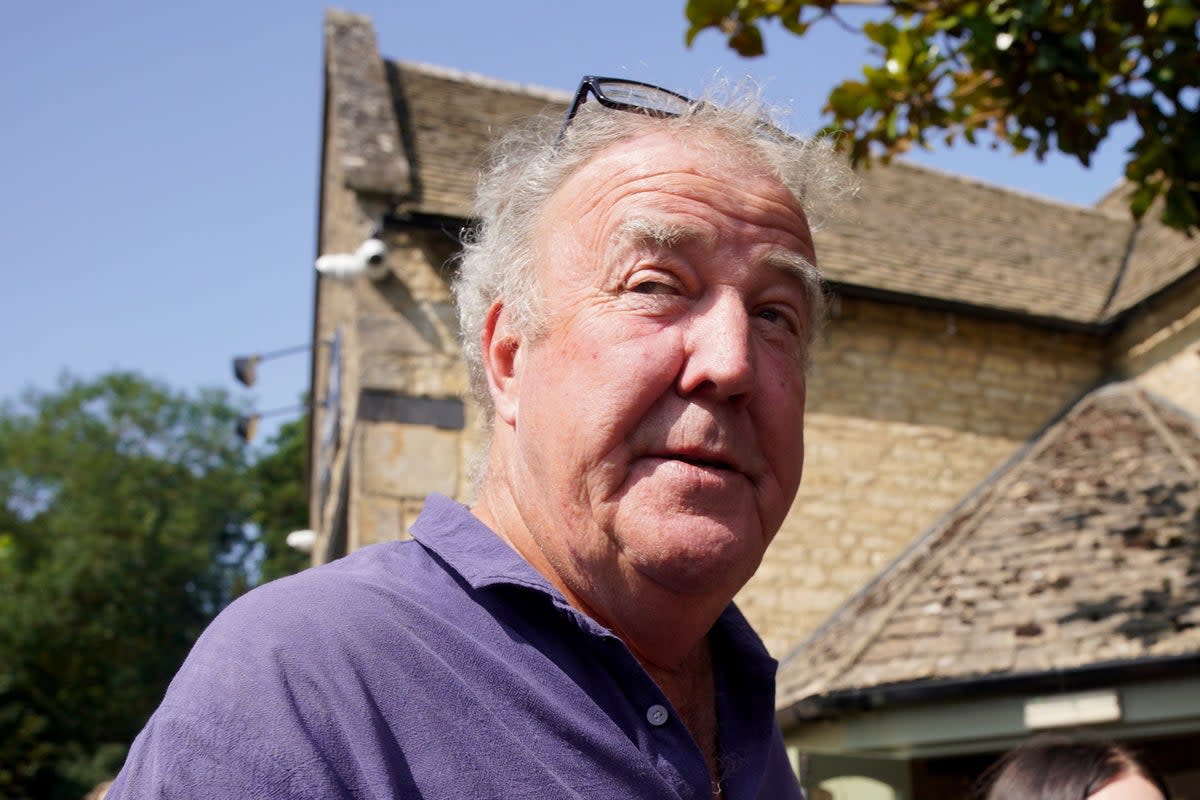
While the columnist’s reflections focused on family life and cultural change, his professional commitments continue at pace. Clarkson’s Farm is expected to return for a fifth series in May, following a release pattern similar to previous seasons. Viewers can anticipate eight new episodes on Prime Video, chronicling another year of agricultural trials at Diddly Squat.
Filming for series six is already underway, as Clarkson balances unpredictable weather, shifting farming regulations and the ongoing demands of rural enterprise. Yet in his latest remarks, it is not the volatility of the British climate or the complexities of local planning rules that appear to concern him most — but the unseen influence of the devices carried in teenagers’ pockets.
For a presenter long associated with horsepower and high-speed pursuits, it is a striking admission: that the modern challenges facing families may be less visible, but no less significant.