Jeremy Clarkson admits he’s ready to quit Britain entirely after scathing rant about the country’s direction

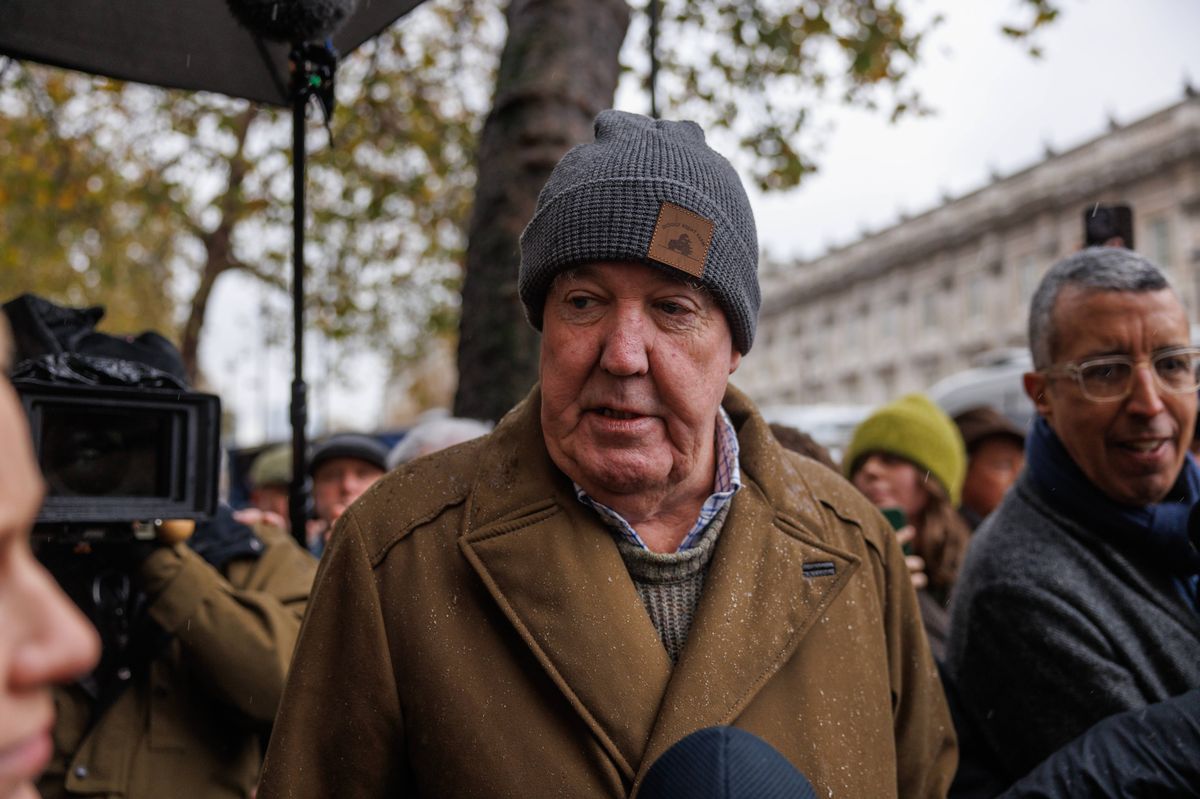
Jeremy Clarkson, the outspoken television presenter, journalist, and unlikely farming advocate, has unleashed a scathing critique of the UK’s current political landscape, declaring that if he were younger, he would not only abandon the country entirely but also opt out of the workforce altogether in favor of a life on benefits. This bold admission comes hot on the heels of the Labour government’s Autumn Budget announcements, which have sparked widespread debate over tax hikes and welfare reforms. At 65, Clarkson—best known for his high-octane motoring shows and his raw depiction of rural life—has positioned himself as a vocal critic of Prime Minister Keir Starmer and Chancellor Rachel Reeves, painting a picture of a nation where ambition is stifled and idleness is inadvertently rewarded.
Clarkson’s journey from petrolhead provocateur to countryside commentator is well-documented. He first burst onto the scene in the late 1980s as a motoring journalist, but it was his role as the lead host of BBC’s Top Gear from 2002 to 2015 that catapulted him to international fame. Alongside co-hosts Richard Hammond and James May, Clarkson turned car reviews into blockbuster entertainment, blending humor, controversy, and daring stunts that drew audiences in the millions. A high-profile fallout with the BBC in 2015 led to his departure, but he quickly rebounded with The Grand Tour on Prime Video, a globetrotting series that ran for several seasons and maintained his status as a media heavyweight. In a surprising twist, Clarkson pivoted to agriculture in 2008 when he purchased a 1,000-acre farm in Oxfordshire’s Cotswolds, renaming it Diddly Squat Farm in a nod to its initially meager output. This venture inspired his hit Prime Video documentary series, Clarkson’s Farm, which premiered in 2021 and has since aired four seasons, with a fifth wrapped in September 2025 and set for release in 2026. The show chronicles the harsh realities of British farming— from bureaucratic nightmares and unpredictable weather to financial strains—while showcasing Clarkson’s banter with his team, including farm manager Kaleb Cooper and partner Lisa Hogan.
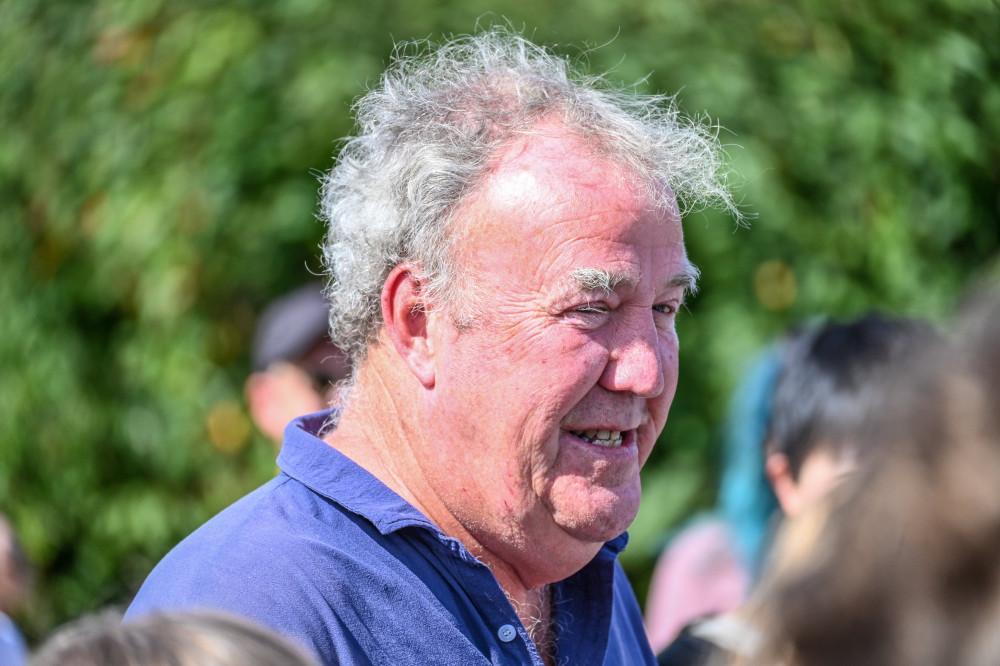
In his latest column for The Times, published amid the fallout from the Autumn Budget, Clarkson didn’t hold back. The budget, delivered by Chancellor Reeves, included measures such as increased taxes on employers’ National Insurance contributions, which critics argue will indirectly burden working people through potential job cuts or wage stagnation. It also featured the lifting of the controversial two-child benefit cap, a policy aimed at supporting larger families on welfare but one that Clarkson sees as emblematic of a system that disincentivizes hard work. “Social media is full of young people with pink hair chanting ‘tax the rich’,” Clarkson wrote, evoking images of progressive activists pushing for wealth redistribution. He sarcastically suggested that “there’s a general sense that if the government were to confiscate all of Elton John’s money, they’d be able to buy everyone on benefits a Porsche,” highlighting what he perceives as naive economic thinking that overlooks the complexities of funding public services.
Delving deeper into his satirical take, Clarkson mocked the entrepreneurial spirit under the current regime. He quipped that aspiring business owners seeking grants from local councils would fare better by “promising to never do a day’s work in your life,” implying that welfare dependency is more favorably viewed than innovation or productivity. Taking the hypothetical further, Clarkson imagined himself at age 24 in today’s Britain: “I would stay at home making babies for money and inventing mental health issues.” This provocative statement underscores his frustration with a benefits system he believes encourages exploitation rather than self-reliance, while also touching on broader societal debates about mental health awareness and generational divides. Clarkson’s comments echo sentiments from other high-profile figures concerned about “brain drain,” where talented young people emigrate in search of better opportunities abroad.
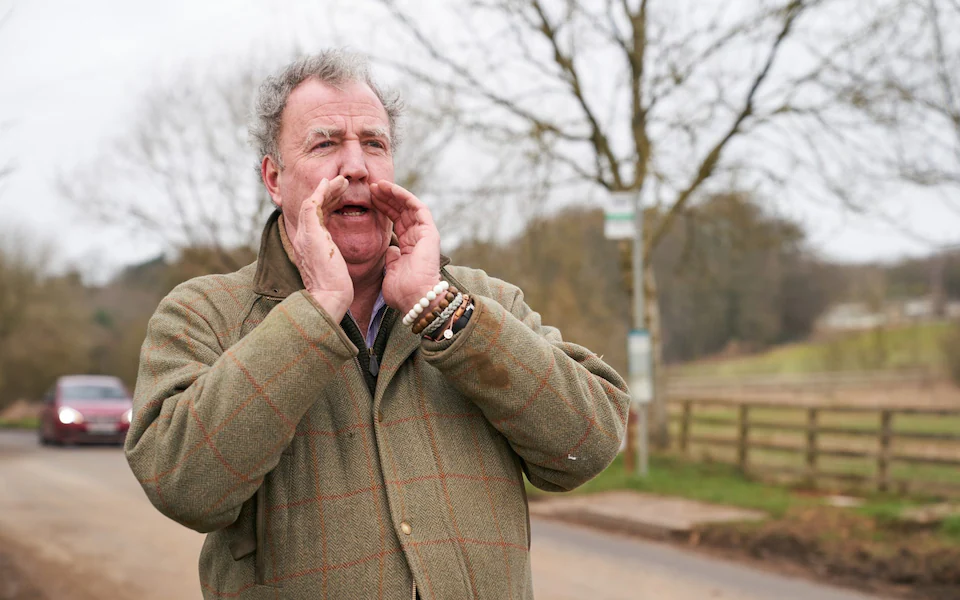
The column’s personal edge stems from Clarkson’s recent family holiday in Costa Rica, a “jungle surf town” that offered a stark contrast to the UK’s economic gloom. Accompanied by his three adult children—30-year-old Emily, a writer, presenter, and podcaster; 27-year-old Finlo; and 24-year-old Katya—whom he shares with ex-wife Frances Cain (married 1993-2014), Clarkson described how the trip opened their eyes to alternative lifestyles. “My own children started to buy into this,” he revealed. “They considered not coming back to the UK, and who can blame them?” He attributed their temptation to the insurmountable barriers facing young people in Britain: “In the UK, it’s difficult to get on the bottom rung of the ladder and impossible to climb up it, because Reeves doesn’t believe in that sort of thing; not at her core. It revolts her.” Clarkson speculated humorously that Reeves might prefer a nation of laid-back surfers, embracing a “green and friendly and kind” ethos where “everyone has a dog,” rather than fostering competitive capitalism. This isn’t the first time Clarkson has flirted with the idea of emigration; his writings often blend personal anecdotes with political jabs, resonating with readers who share his disillusionment.
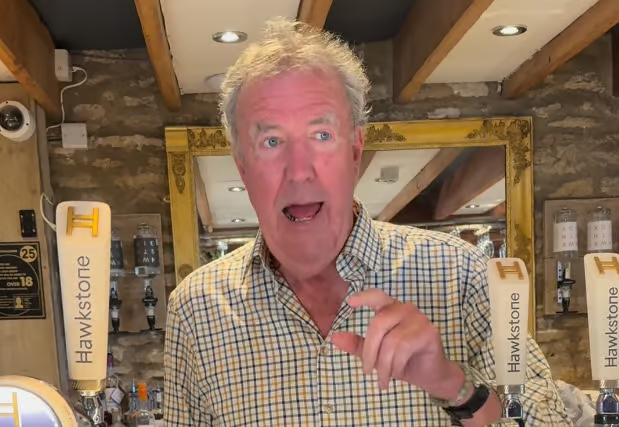
This latest outburst follows closely on the heels of another lighthearted yet pointed commentary from Clarkson about his own financial woes. Just weeks earlier, while filming new episodes of ITV’s Who Wants to Be a Millionaire?—a quiz show he’s hosted since 2018, succeeding Chris Tarrant—he shared an Instagram post of himself in the contestant’s chair. “Farming has been so unprofitable, I’m thinking of sitting in this chair when we record Millionaire tonight,” he captioned, underscoring the economic pressures on UK farmers. Diddly Squat has faced soaring costs for feed, fuel, and machinery, compounded by volatile markets and environmental regulations, themes extensively explored in Clarkson’s Farm. Despite these challenges, the farm has diversified with a popular shop selling local produce and merchandise, and Clarkson recently expanded his empire by opening The Farmer’s Dog pub in nearby Asthall in August 2024, after a £1 million purchase and renovation.
Clarkson’s criticisms arrive at a time of heightened political tension in the UK, with the Labour government, elected in a landslide in July 2024, navigating a delicate balance between fiscal responsibility and social equity. Starmer and Reeves have defended the budget as necessary to repair public finances strained by previous Conservative policies, emphasizing investments in healthcare, education, and green energy. However, detractors like Clarkson argue it penalizes aspiration and risks driving wealth creators overseas. His voice carries weight not just due to his celebrity but also his real-world experience as a landowner and employer, providing a grassroots perspective on policy impacts.
As Clarkson continues to juggle his media commitments—including upcoming episodes of Who Wants to Be a Millionaire? and the eagerly awaited fifth season of Clarkson’s Farm—his commentary serves as a rallying cry for those feeling squeezed by the system. Whether his words will influence policy or merely entertain remains to be seen, but one thing is certain: Jeremy Clarkson shows no signs of mellowing with age, remaining as forthright and entertaining as ever in his dissection of modern Britain.