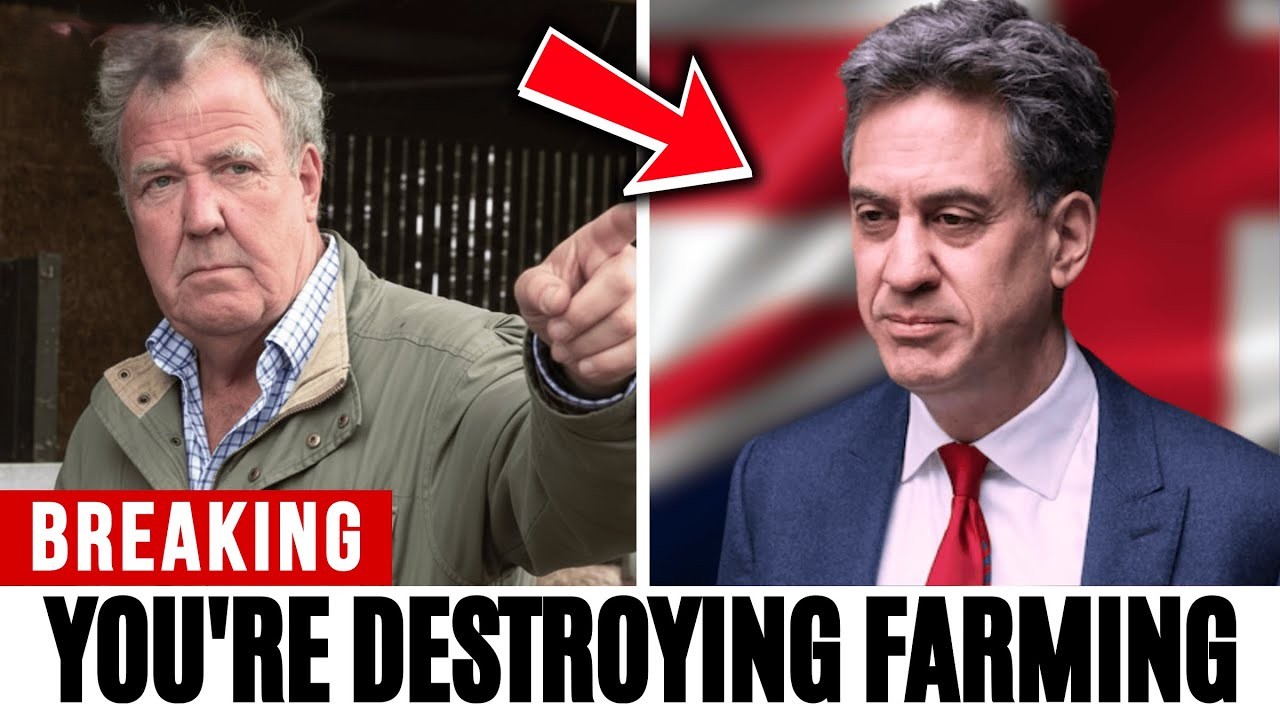
Jeremy Clarkson has delivered a forceful critique of the government’s net zero strategy for agriculture, warning that current policies risk undermining British farming by prioritising targets over practical realities.
Speaking after a meeting with senior policymakers, the broadcaster and farmer described a sharp disconnect between how climate policy is designed in Westminster and how food is produced on working farms. According to Clarkson, the discussion revealed what he sees as a growing gap between political ambition and the operational limits faced by farmers on the ground.
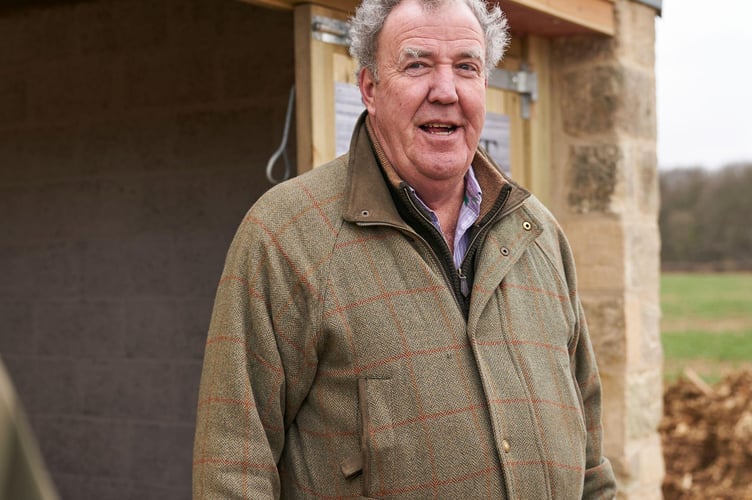
Clarkson, who runs Diddly Squat Farm in Oxfordshire, told the committee that agriculture does not function according to policy timelines or emissions targets, but according to weather, machinery capability and narrow seasonal windows. He argued that during harvest, farm equipment must operate for 12 to 14 hours at a stretch to secure crops before rain or frost arrives—conditions he says current electric alternatives are unable to meet.
In the meeting, Clarkson challenged Ed Miliband on the practicality of rapid electrification in agriculture. He cited battery limitations, long charging times and the financial risk of relying on technology that cannot yet sustain full working days during critical periods.
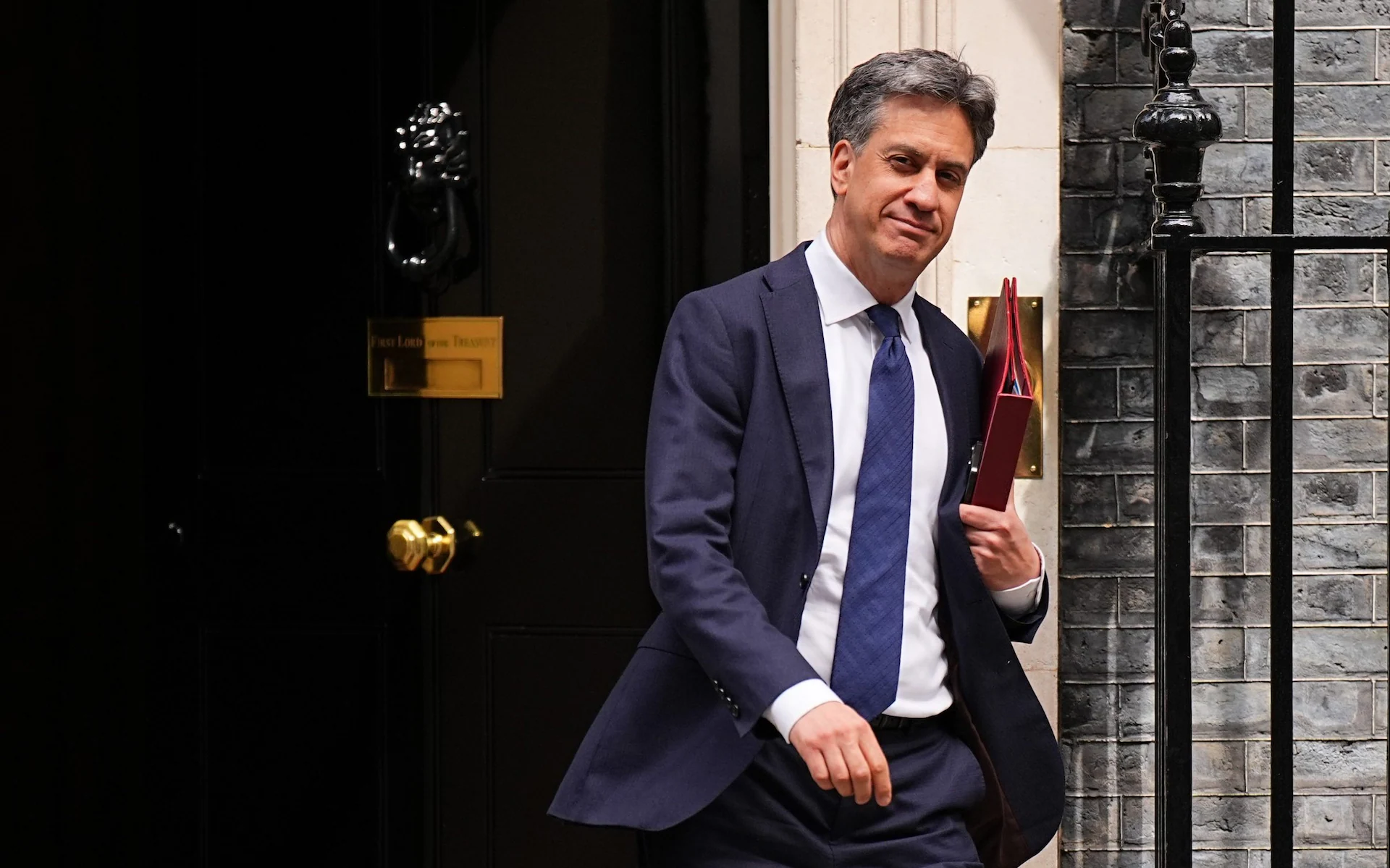
The discussion then turned to emissions. Clarkson pointed out that British agriculture accounts for roughly nine per cent of the UK’s total greenhouse gas output—significant, he acknowledged, but far from the dominant source. Despite this, he argued that farming is being targeted more aggressively and earlier than other sectors.
He also raised concerns about what he described as “offshoring emissions”, warning that tightening domestic production without reducing demand simply leads to increased food imports. According to Clarkson, importing meat, grain and vegetables from countries with looser environmental standards and longer transport chains may reduce emissions on paper within the UK, while increasing them globally.
“This is not environmental leadership, it’s accounting,” he said, arguing that domestic targets risk being met at the expense of food security and viable farming businesses.
Funding was another point of contention. Clarkson questioned government claims of support for farmers transitioning to greener practices, highlighting figures he said amounted to around £40 million per year for the entire sector. He argued that the cost of upgrading machinery, infrastructure and compliance systems can run into hundreds of thousands of pounds per farm, making the available funding insufficient in practice.
The idea of compensation for farms taken out of production also drew criticism. Clarkson warned that while lost income can be reimbursed, the loss of farming knowledge, skills and community cannot. He described farms as long-term systems built on generational experience, rather than businesses that can simply be switched off and replaced.
The meeting also touched on expert advice underpinning net zero policy. Clarkson questioned how many of those shaping agricultural rules had direct experience of farming. He contrasted the unpredictability of real farms—where weather, animals and machinery failures are constant factors—with controlled environments such as vertical farming facilities, which he said do not reflect the realities of most food production.
By the end of the session, Clarkson said the issue had shifted from climate policy itself to credibility and shared responsibility. He challenged policymakers to consider whether they personally live under the same constraints they expect farmers to absorb, noting that practical limitations around energy use, transport and reliability affect everyone.
The exchange, he suggested, illustrated a broader issue: that farming operates season by season, with immediate consequences for failure, while policy operates on long-term projections that allow room for revision.
As the government presses ahead with its net zero commitments, Clarkson’s intervention adds to a growing debate over how climate goals can be balanced with food production and rural livelihoods. While ministers maintain that transition is both necessary and manageable, farmers are increasingly asking whether the pace and structure of change reflect the realities of the land they work.
For Clarkson, the question remains unresolved. If policy continues to be shaped without deeper engagement with those producing the country’s food, he argues, trust will erode—and with it, the foundations of British farming itself.