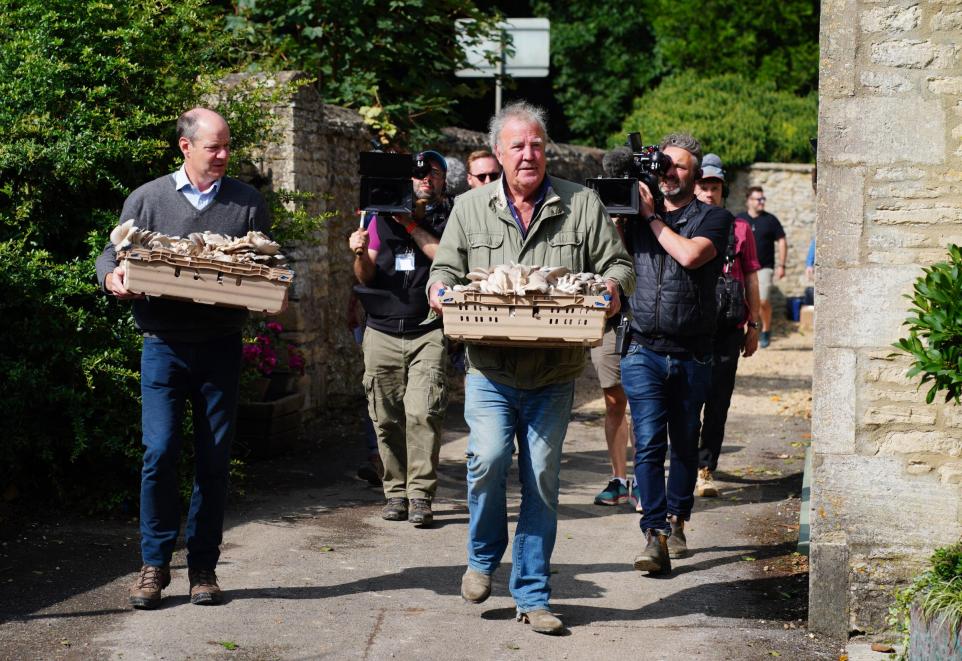
Jeremy Clarkson has offered a detailed staffing update on his Cotswolds pub following earlier concerns about the viability of hospitality businesses across the UK.
Best known for fronting Top Gear and later The Grand Tour alongside James May and Richard Hammond, Clarkson has in recent years shifted much of his focus toward agriculture and rural enterprise. His Diddly Squat Farm has become a cultural talking point through the Prime Video series Clarkson’s Farm, which has completed filming for a fifth season.
During the programme’s fourth series, attention turned increasingly to Clarkson’s hospitality venture — the former Windmill pub in Asthall near Burford. Purchased for £1 million and extensively renovated, it reopened in August 2024 under a new name: The Farmer’s Dog.
At the time of its launch, the broader UK pub sector was facing sustained pressure from rising energy costs, staffing shortages and shifting consumer behaviour. According to industry figures cited by Clarkson in a weekend column for The Times, closures have been occurring at an average rate of one pub per day nationwide. The British Beer and Pub Association has repeatedly warned of structural strain within the sector, particularly for independent venues outside major urban centres.
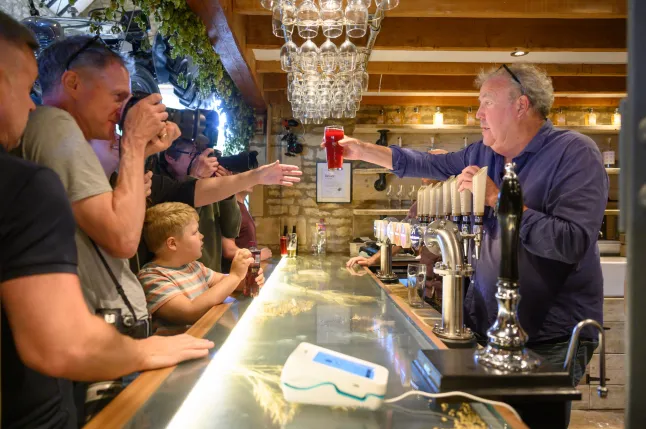
Clarkson admitted he initially feared his Cotswolds venture might struggle in such a climate. Instead, he now describes it as a “runaway success.”
“I’ve got 156 people on the payroll, and we’re lucky — the pub is busy as hell,” he wrote, signalling not only stability but substantial scale. Employing more than 150 staff places the venue well above the typical staffing levels of a rural public house, reflecting both its size and visitor demand.
Central to the pub’s positioning is its commitment to British sourcing. Clarkson emphasised that nearly everything served — from meat to produce to drinks — is reared or grown by UK farmers. The only current exceptions, he noted, are imported hops for certain beers and tonic used in gin and tonics.
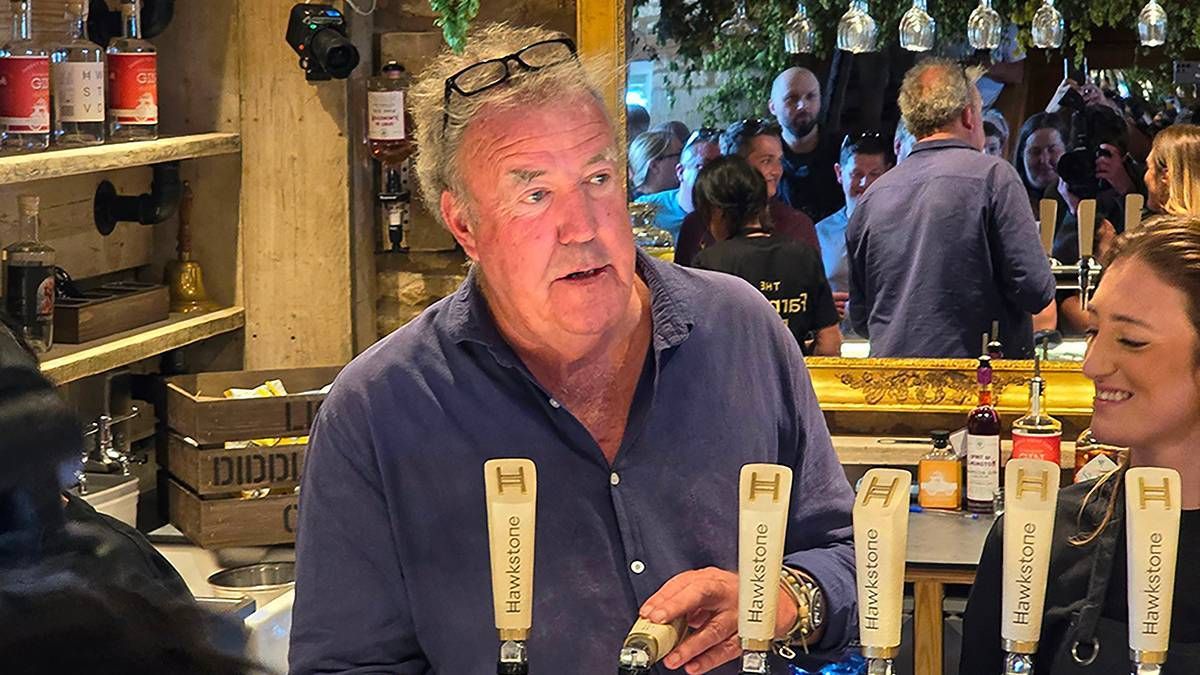
“No coffee, no Coca-Cola, no avocado,” he explained, underscoring the deliberate exclusion of globally sourced staples. The policy aligns closely with the ethos presented in Clarkson’s Farm, where the economic realities of British agriculture are frequently explored. According to Clarkson, this message resonates strongly with customers seeking a distinctly local, farm-to-table experience.
The success of The Farmer’s Dog also highlights an evolving business model around Diddly Squat’s expanding brand ecosystem. What began as a farming experiment documented for television has broadened into retail, hospitality and branded produce — all built around a narrative of supporting domestic agriculture.
While the UK pub trade continues to face uncertainty, Clarkson’s latest update suggests his rural venture has, at least for now, bucked the national trend.
