Jeremy Clarkson Mocks BBC as Bafta Broadcast Sparks Tourette’s Controversy
 hs
hs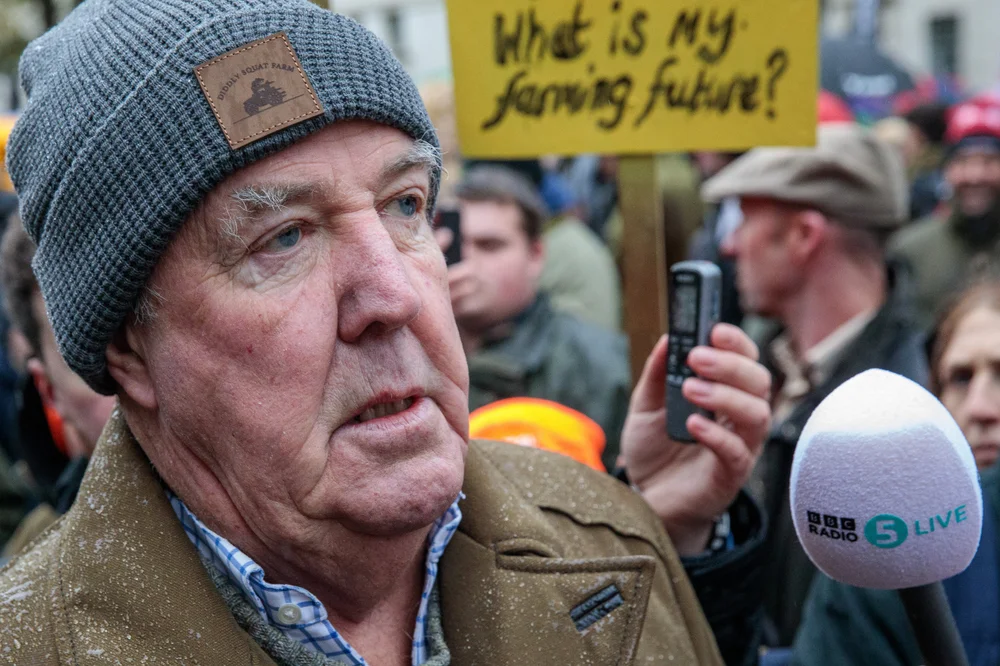
Jeremy Clarkson has weighed in on the controversy surrounding the BBC’s recent Bafta broadcast, using his trademark sardonic tone to comment on the fallout from an on-air incident involving a Tourette’s campaigner.
The row began during Sunday night’s Bafta Television Awards at London’s Royal Festival Hall, when a racial slur shouted by Tourette’s advocate John Davidson was audible while actors Michael B. Jordan and Delroy Lindo were on stage presenting the award for special visual effects. The remark, understood to be a vocal tic associated with Tourette’s syndrome, was broadcast live, prompting immediate criticism and complaints.
In response, the BBC confirmed that its Executive Complaints Unit (ECU) has launched a fast-tracked investigation. A spokesperson said the corporation had been reviewing what occurred and described the broadcast as a “serious mistake,” adding that director-general Tim Davie had instructed the ECU to provide a full response to complainants.
Clarkson, the former Top Gear and The Grand Tour presenter who has had a long and often turbulent relationship with the BBC, addressed the controversy in his latest column for The Sunday Times. Rather than focusing solely on the specifics of the incident, he turned his attention to what he portrayed as the broader reaction within the entertainment industry.
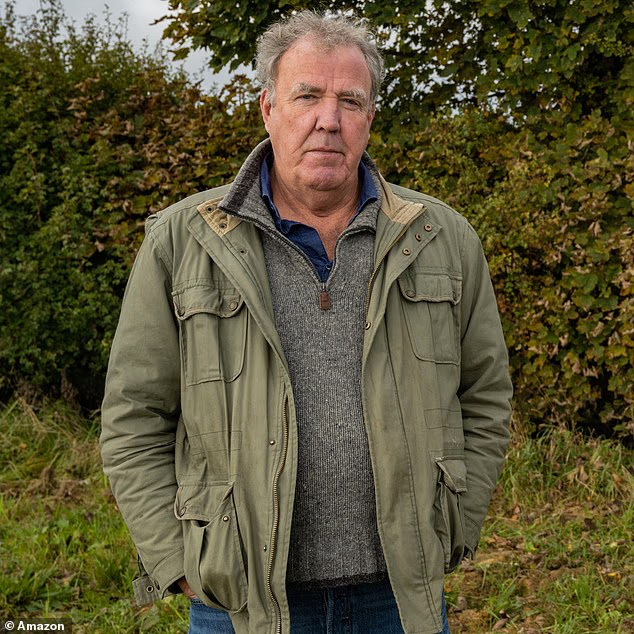
In characteristically provocative fashion, Clarkson wrote that he would have relished witnessing the internal debate, suggesting that a room full of media figures grappling with the ethical dilemma would have been a spectacle in itself. He quipped that such a scenario could warrant its own film, jokingly titled “When Bandwagons Collide.”
Beyond the humour, Clarkson framed the situation as a complex moral question. He noted that the purpose of including Tourette’s-related material in programming is often to raise awareness of the condition and the challenges faced by those who live with it. However, he argued that when a tic involves offensive or racist language, broadcasters are confronted with a difficult balancing act.

At the centre of the issue, Clarkson suggested, lies a broader debate: whether airing such language — even when involuntary — risks causing harm, or whether omitting it undermines the authenticity of representing Tourette’s syndrome. He described the dilemma as one likely to provoke intense soul-searching within broadcasting circles.
The BBC has not yet published the findings of its investigation. Meanwhile, the incident has reignited discussion about live television safeguards, editorial judgment and how best to portray neurological conditions responsibly without amplifying offensive content.
Clarkson’s intervention ensures the controversy remains in the spotlight, adding another high-profile voice to an already charged conversation about free expression, accountability and the complexities of live broadcasting.
hs