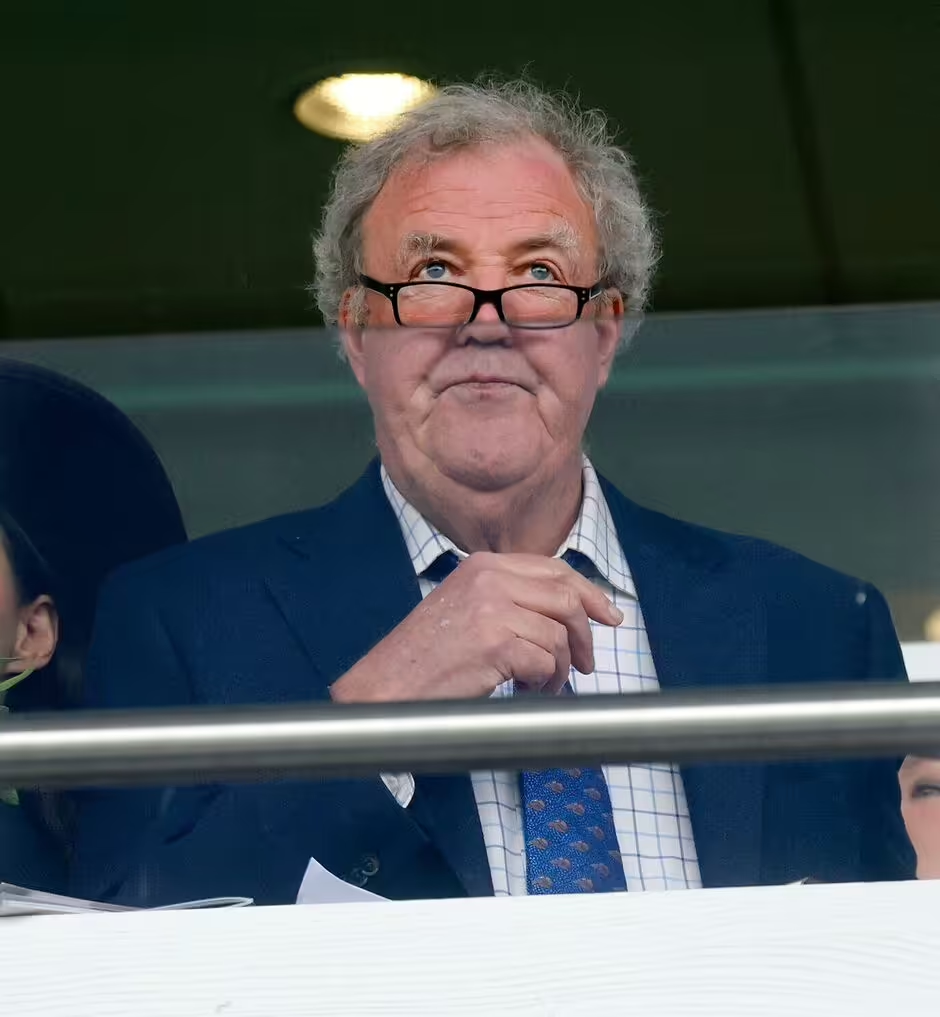
Jeremy Clarkson Clarifies Comments on BBC Hit The Traitors
Jeremy Clarkson, the outspoken television presenter best known for Top Gear, The Grand Tour, and his farming series Clarkson’s Farm, has moved to clarify remarks he made about the BBC’s breakout reality show The Traitors.
The programme, fronted by Claudia Winkleman, has become one of the broadcaster’s biggest successes in recent years. Its celebrity edition attracted more than 15 million viewers, cementing its place as a cultural phenomenon and ensuring that anticipation for the upcoming season remains high. The format, which blends psychological strategy, deception, and dramatic eliminations, has been praised for its gripping storytelling and slick production values.
Yet Clarkson, speaking in the run-up to ITV’s festive Who Wants To Be A Millionaire? special, appeared to cast doubt on whether the show was entirely authentic. Drawing on his three decades of experience in television, the 65-year-old suggested that producers must inevitably “manipulate” aspects of the format to ensure the drama unfolds in a way that keeps audiences hooked.
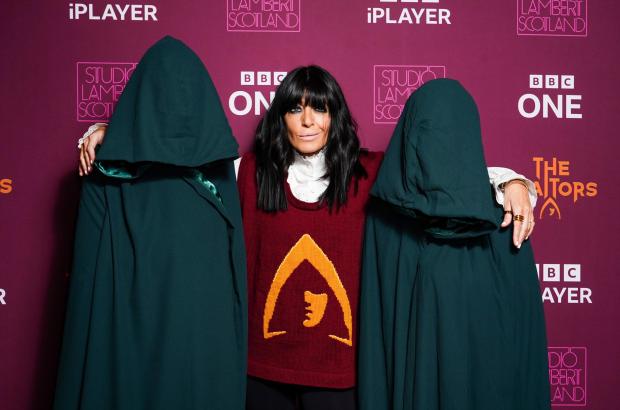
“Come on, I’ve worked in television for 30 years,” Clarkson reportedly told the Daily Mail. “You’re not going to spend that much money on a programme where there’s a risk it all falls to pieces. So I’ve no idea how they’re doing it, but I bow down to them.”
Pressed further on whether he believed producers were actively shaping events behind the scenes, Clarkson added: “They must be – and I’m not just being a cynic, I know how television is made. You can’t actually say to a contestant, ‘say this’ and ‘say that’, you can’t, but I just don’t believe it’s all for real, because nothing in television is. I’m sitting there going, ‘How are they doing this?’. It could just be unbelievably painstaking editing.”
His comments quickly sparked headlines suggesting Clarkson had accused The Traitors of being “fake,” prompting debate among fans of the show and media commentators alike. Some interpreted his remarks as criticism of the programme’s integrity, while others saw them as a nod to the skill of its production team in crafting compelling television from hours of raw footage.
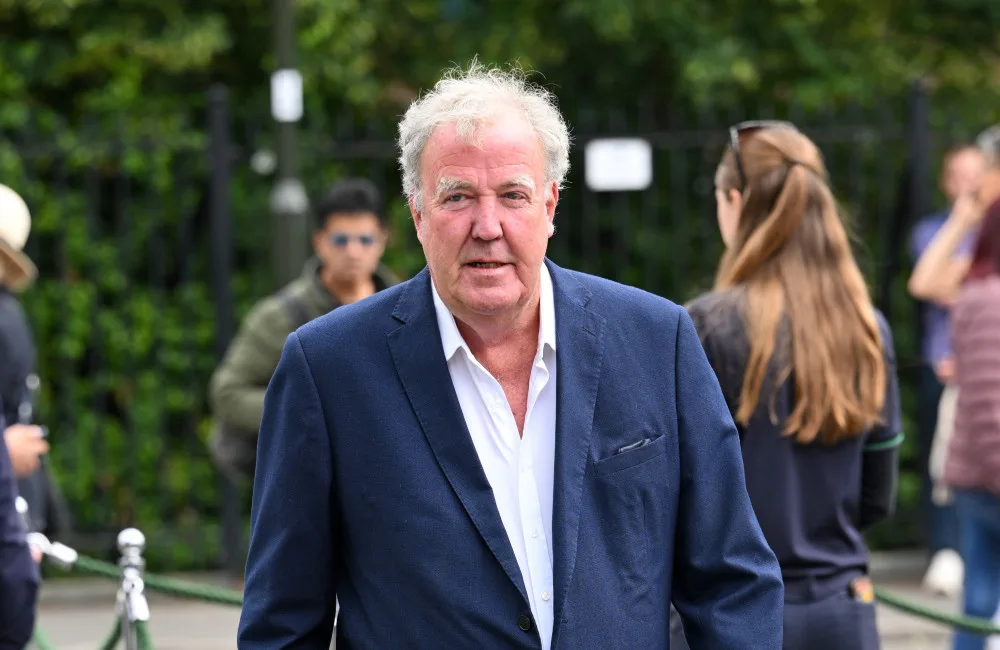
On Wednesday, December 3, Clarkson took to social media platform X to set the record straight. “Whoa, people are saying I think that Traitors is faked,” he wrote. “What I actually said is that I bow down in awe to the people who edit it.”
The clarification highlights Clarkson’s admiration for the technical artistry involved in shaping reality television. Far from dismissing the show, his remarks underline the extraordinary effort required to transform unscripted interactions into a polished narrative that captivates millions.
Clarkson’s intervention also reflects a broader truth about modern entertainment: while reality formats thrive on unpredictability, they rely heavily on editing, pacing, and production design to deliver the drama audiences expect. In this sense, his comments may be less a critique of The Traitors itself and more a recognition of the invisible craftsmanship that makes such programmes possible.
