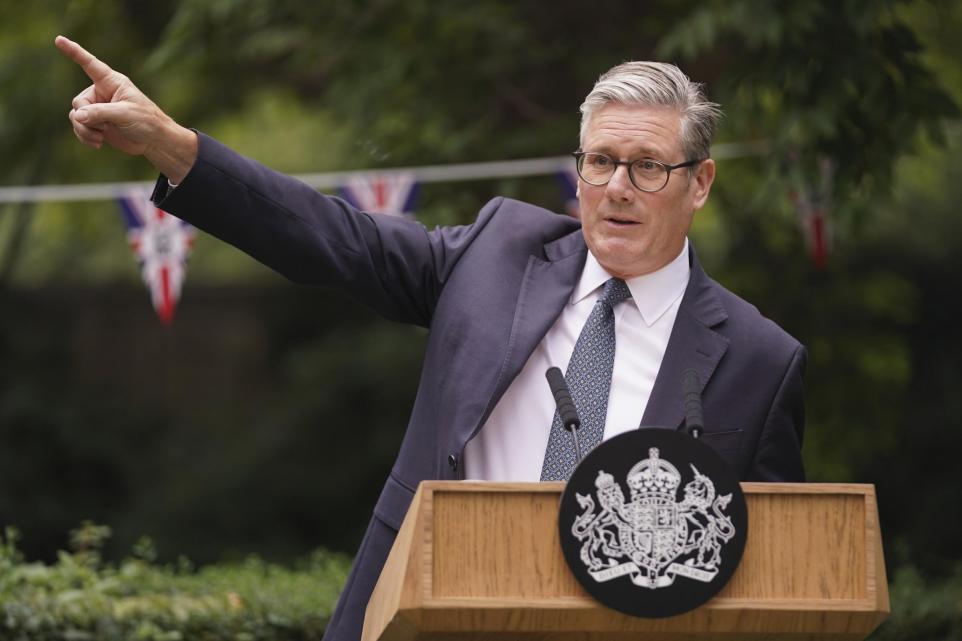
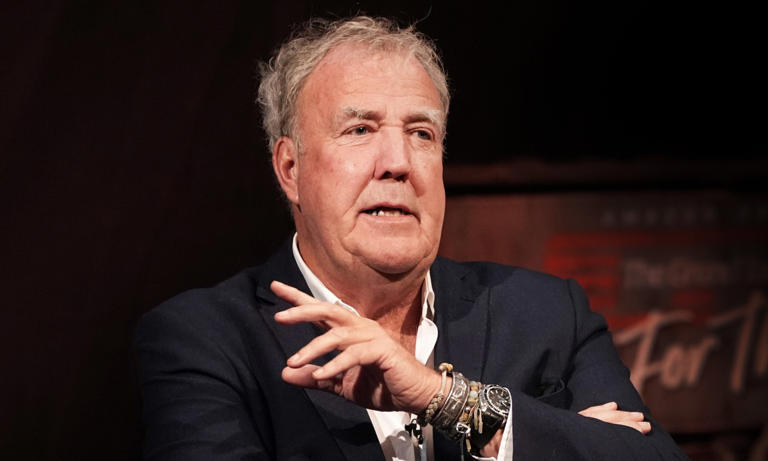
Television presenter and farmer Jeremy Clarkson has made headlines once again — this time not for a tractor mishap at Diddly Squat, but for a sharp political broadside delivered on Times Radio. In a candid interview, the Clarkson’s Farm star declared that the British farming community has turned its back on the Labour Party, and is increasingly rallying behind Nigel Farage’s Reform UK.
“I don’t think there’s a farmer alive who’s Labour anymore,” Clarkson declared bluntly. He pointed to his popular co-star Kaleb Cooper as a symbol of the shift, noting that Cooper had told him all his friends are “voting Reform.”
Clarkson did not stop at anecdote. He accused the current government of failing to provide any meaningful assistance to the farming industry while simultaneously making conditions worse. “This government is truly useless, we do know that,” he told Times Radio listeners, arguing that it is “doing nothing for farming, nothing. In fact, it is actually damaging to farming.”
At the heart of farmers’ anger lies Labour’s controversial inheritance tax proposals. Chancellor Rachel Reeves outlined plans to apply inheritance tax to agricultural land, triggering widespread concern that taxing farm assets could force land sales, reduce farm scale, and disrupt generational handovers. Clarkson took particular aim at the policy’s human cost, writing in one column: “One day, of course, his dad will die, and if the farm is medium-sized, thanks to the Labourites, he will have to pay inheritance tax.”
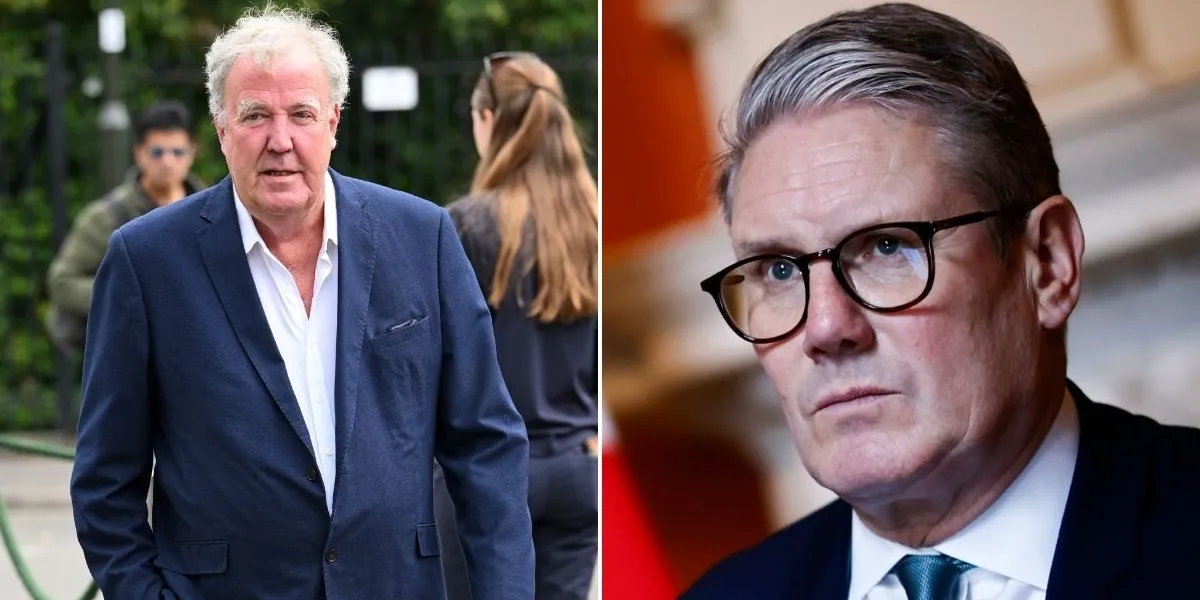
In November 2024, thousands of farmers, led by Clarkson, gathered in central London to protest against Labour’s proposed changes to inheritance tax rules — a new policy slated to impose a 20% tax on inherited agricultural assets exceeding £1 million. The National Farmers Union called it a “stab in the back,” and estimated that up to 70,000 farms could be affected. Although the government later amended the plans in December 2025 by raising the threshold at which estates would be taxed, uncertainty remains over how future succession and land transfers will be handled.
Clarkson’s remarks arrive at a moment of deep political turbulence for the Labour government. Reform UK currently leads national voting intention on 27%, followed by Labour on 20% and the Conservatives on 18%, according to the latest Opinium polling. Keir Starmer’s approval rating remains heavily negative at net –43. The numbers tell an even starker story elsewhere: according to Ipsos, Starmer’s approval ratings after 14 months are the lowest of any prime minister in the past 50 years, while support for his Labour Party has dropped by nearly 14 points — the second-largest decline for a governing party in postwar political history.
By mid-May 2026, over 95 Labour MPs had called on Starmer to resign or set out a departure timetable, and one cabinet minister alongside several junior ministers had resigned in protest. Nearly half of the public now say Keir Starmer should resign rather than contest a future Labour leadership election.
Meanwhile, Reform UK’s rise has been particularly notable among demographics that Labour once took for granted. Recent survey data shows the party now matches Labour’s support among trade union members at 28 per cent — a striking development for a party whose roots lie firmly in the working class.
Whether Jeremy Clarkson is seen as a reliable political weathervane or merely a provocateur, his comments reflect a real and measurable trend: rural Britain is drifting away from Labour at speed. For a government already fighting to keep its own MPs on side, losing the countryside may be the least of its problems — but it is a telling symbol of just how far the political ground has shifted.
