Jeremy Clarkson takes aim at Labour over drink-drive proposal as rural pubs warn of mounting pressure

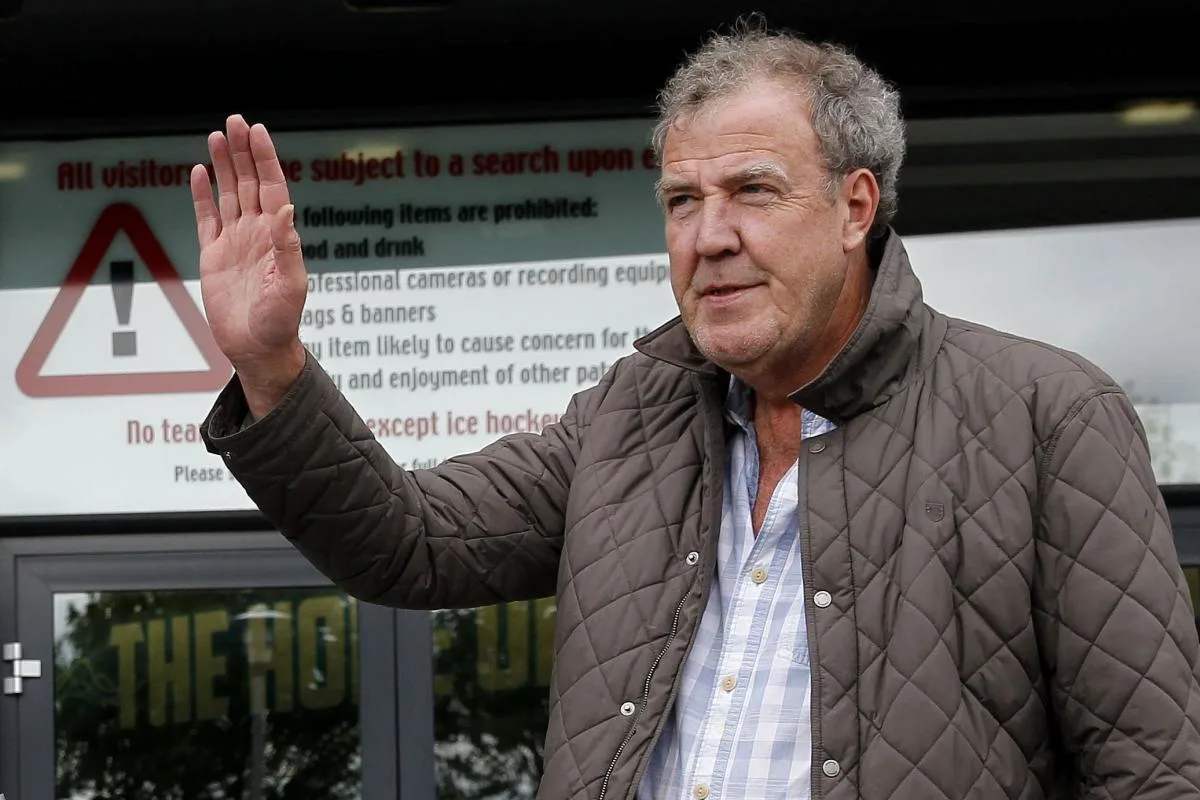
Jeremy Clarkson has launched a forceful attack on the Labour government, accusing it of piling fresh pressure on Britain’s struggling pub trade, after ministers signalled plans to lower the drink-drive limit in England and Wales.
Writing in The Sun, the broadcaster and Clarkson’s Farm presenter said the proposal would hand drivers penalties after consuming foods containing trace amounts of alcohol, arguing that the policy risks discouraging customers from visiting rural pubs altogether. Clarkson claimed the measure would further weaken an industry already facing rising taxes, higher energy bills and increased employment costs.
The proposal, currently under consultation by the Department for Transport, would reduce the legal blood-alcohol limit from 80mg to 50mg per 100ml, bringing England and Wales into line with Scotland and most European countries. The existing limit has been in place since 1967.
Ministers say the move is intended to improve road safety. Critics, however, argue that the impact on rural communities has been overlooked. In villages with limited public transport, the local pub often relies on customers who must drive to attend, leaving owners concerned that even moderate drinking could now be seen as too risky.
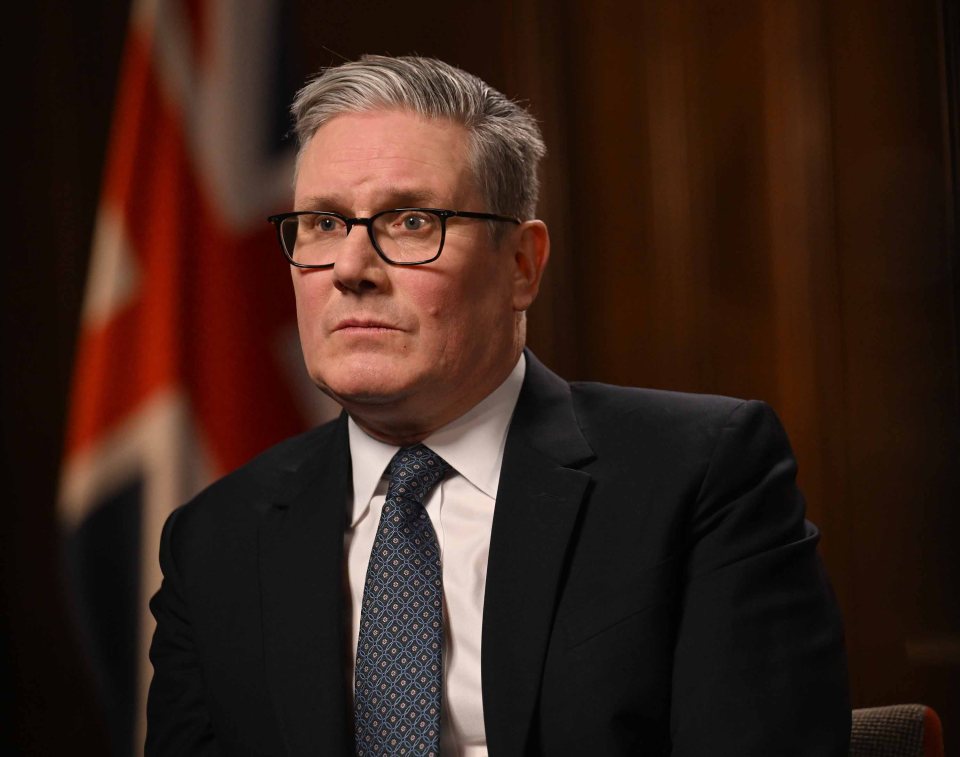
Since Labour returned to power in July 2024 under Prime Minister Keir Starmer, the hospitality sector has faced a series of financial changes. Employers’ national insurance contributions have increased, business rates have risen for many premises, beer duty has edged higher, and energy costs remain elevated. Pub groups say the cumulative effect is stretching already thin margins.
Those concerns have been echoed publicly by pub owners. Adam Brooks, who appeared on GB News last week, said policy changes introduced under Labour had added around £40,000 to his operating costs. He also pointed to data suggesting pub business rates have risen far faster than those for supermarkets or large distribution centres, calling the imbalance “deeply unfair”.
Labour has previously pledged to reform the business rates system and provide stronger backing for small businesses. Critics now argue that delivery has fallen short, particularly in rural areas where pubs play a wider social role beyond food and drink.
Defending the drink-drive consultation, Transport Minister Lilian Greenwood said the UK was out of step internationally and stressed that the intention was not to deter people from socialising. “If you’re drinking, you should leave the car at home,” she said, adding that road safety remained the government’s priority.
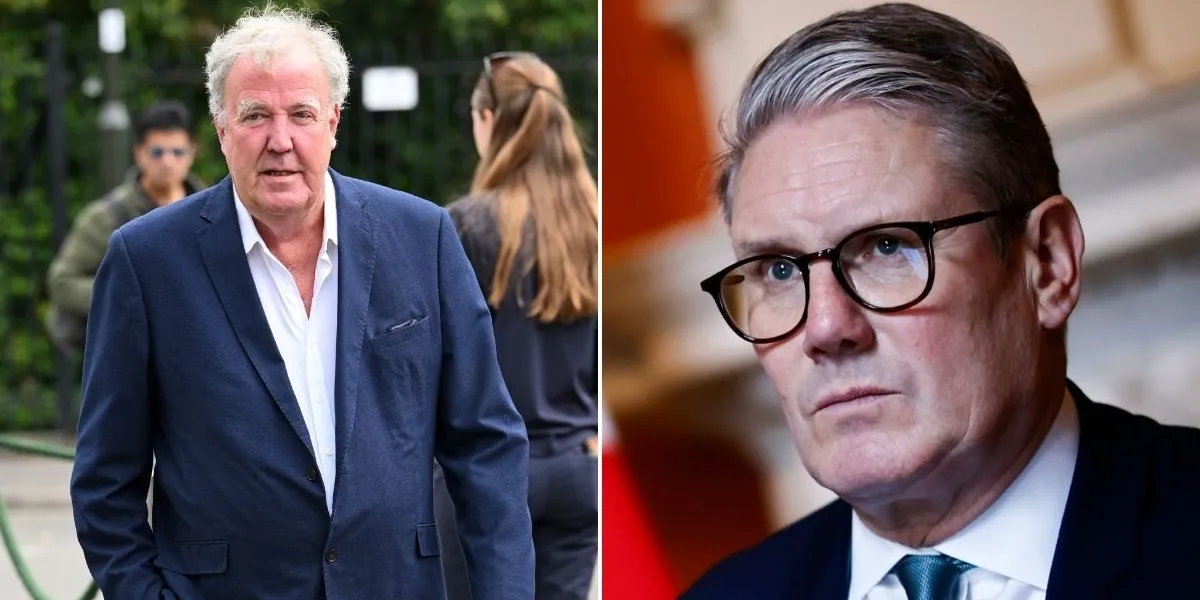
Opponents counter that such advice reflects an urban perspective. In much of rural Britain, alternatives to driving are limited or non-existent, making pubs vulnerable to further declines in footfall. They also point to Scotland’s experience, where a similar change in 2014 did not deliver the clear reductions in road casualties that supporters had anticipated.
For Labour, the issue has become politically sensitive. MPs representing rural constituencies are understood to be uneasy about defending policies that may be perceived as out of touch with everyday life outside major cities. With pubs often serving as community hubs, closures can have consequences that extend well beyond the hospitality sector.
Clarkson, who has frequently criticised government policy affecting farming and rural life, argues that the drink-drive proposal risks becoming a symbol of a wider disconnect between Westminster and the countryside. Whether ministers adjust course remains to be seen, but the debate has already highlighted the fragile position of rural pubs — and the challenge Labour faces in convincing those communities that their concerns are being heard.