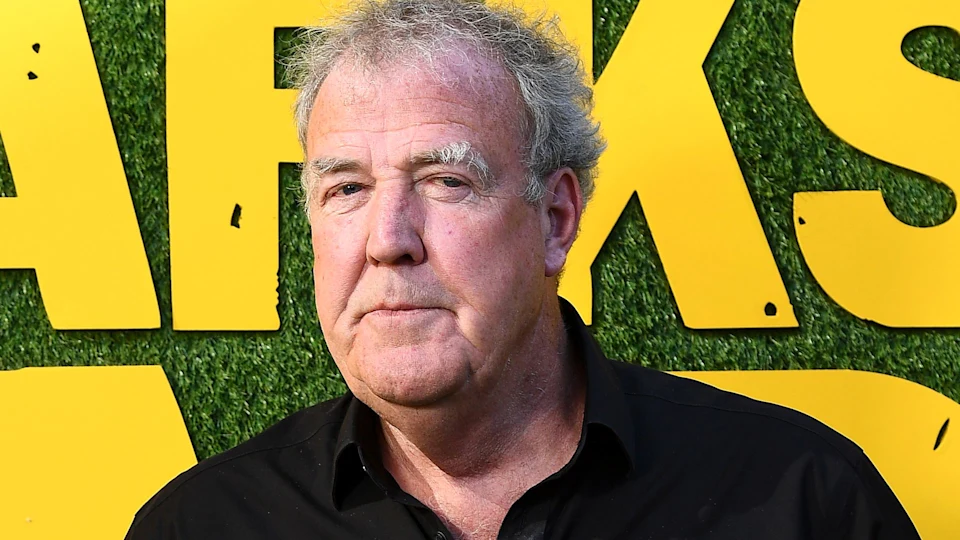
Jeremy Clarkson has reignited debate over the realities of Britain’s changing weather after taking aim at a television presenter following what he previously described as the “worst year ever” for his farming business.
The former Top Gear host, who now runs the 1,000-acre Diddly Squat Farm in Oxfordshire and the Cotswolds pub The Farmer’s Dog in Asthall, responded sharply to upbeat commentary about the UK’s recent stormy conditions. Clarkson, who has been vocal about the pressures climate extremes place on agriculture, suggested that such optimism overlooks the damage being felt on the ground by farmers.
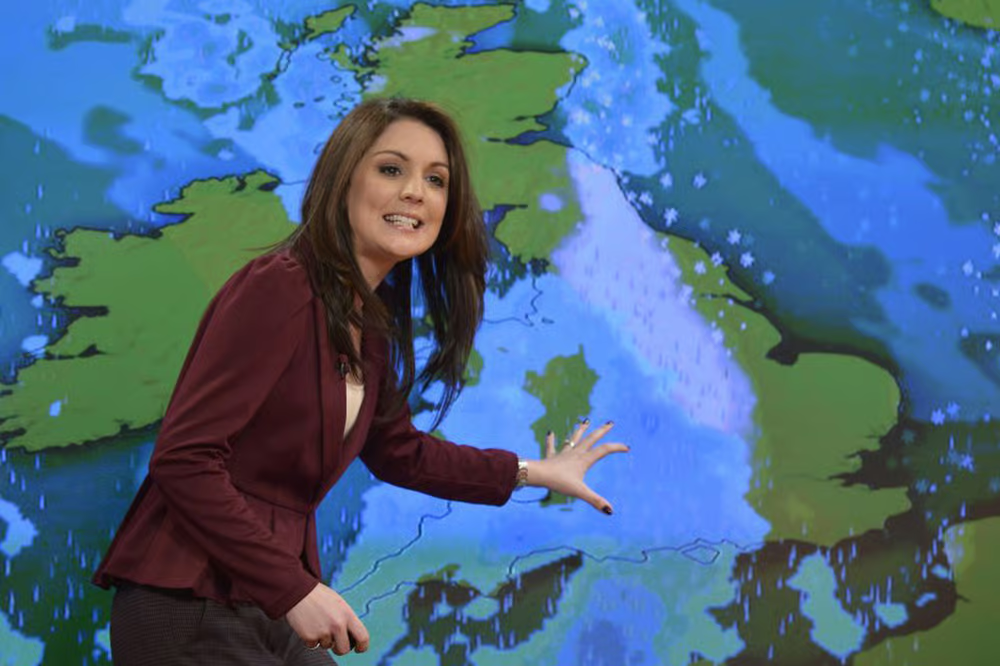
The exchange followed a social media post by Laura Tobin, a weather presenter on Good Morning Britain. Writing on X, Tobin highlighted a surge in wind power generation during January, when powerful storms swept across much of the UK. She said the strong winds had driven the country’s turbines to produce a record 10.6 terawatt-hours of electricity, citing figures from energy think tank Ember.
According to the data, the increased output helped reduce reliance on gas, cutting costs by an estimated £164 million. Tobin framed the development as a positive outcome from a month marked by severe weather, during which red warnings were issued by the Met Office and widespread disruption was reported across transport networks and rural communities.
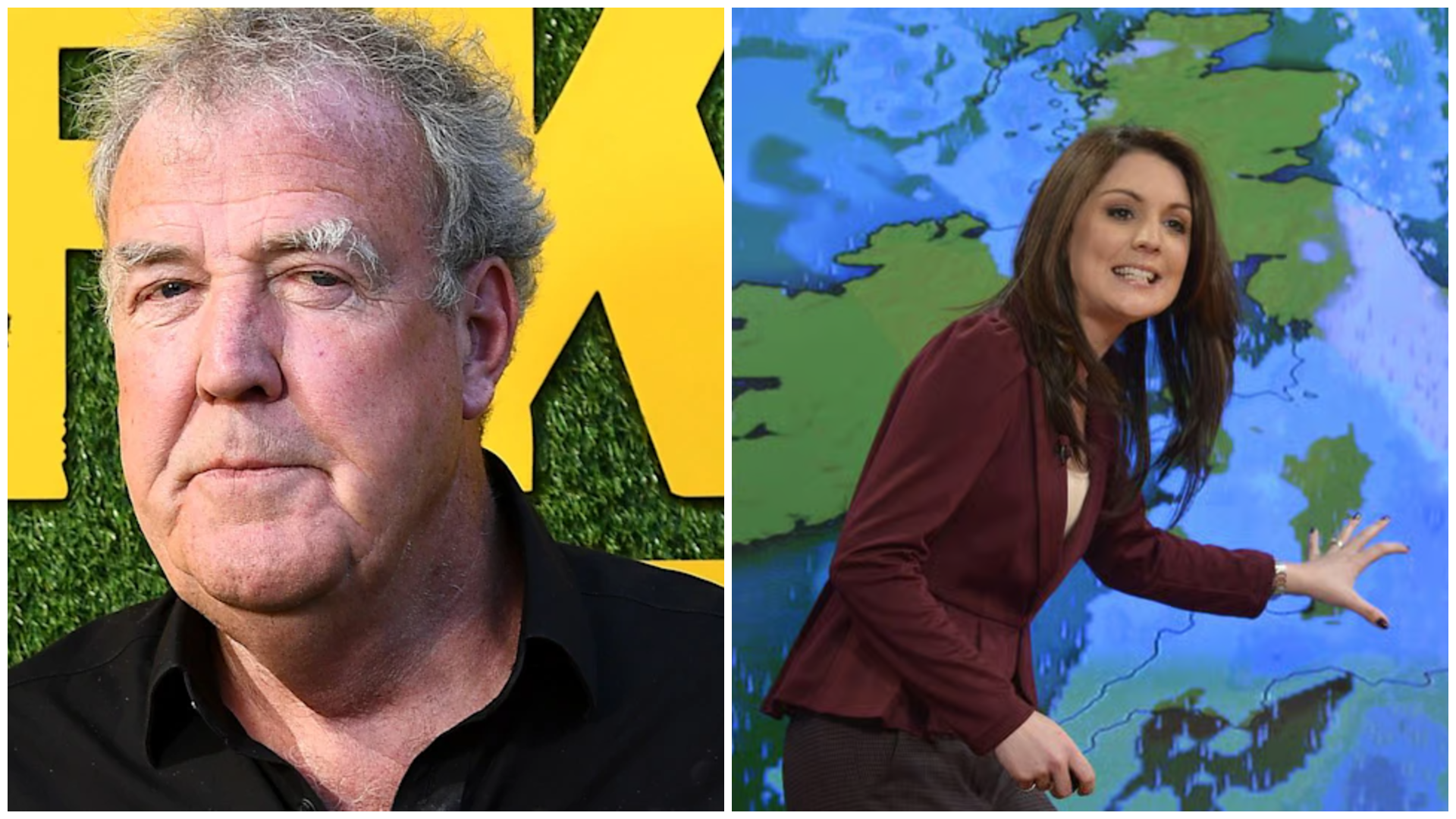
Clarkson, however, was unimpressed. Responding publicly, he wrote: “So to solve global warming, it’s best if we all freeze. Excellent.” The remark, delivered with his trademark sarcasm, quickly drew attention online and underlined the divide between national-level energy gains and the local impact of extreme conditions.
For Clarkson, the subject is personal as well as political. He has repeatedly spoken about how volatile weather patterns have complicated life at Diddly Squat Farm, a theme explored in Amazon Prime Video’s Clarkson’s Farm. Last summer, he described the season as disastrous, explaining that prolonged heat and a lack of rainfall had taken a heavy toll on crops.
At the time, Clarkson said the harvest had been among the poorest he had ever experienced. “It was the second-worst on record,” he warned, adding that the outlook was bleak because rain had failed to arrive when it was most needed. For a business already operating on tight margins, he argued, such conditions threaten long-term viability.
Supporters of Tobin’s comments have pointed out that renewable energy gains are a crucial part of the UK’s transition away from fossil fuels, particularly during periods of high demand. Critics, however, say Clarkson’s response highlights a broader frustration among farmers, who feel discussions about climate benefits often overlook the immediate economic and emotional strain faced by rural communities.
The exchange has once again placed Clarkson at the centre of a national conversation, one where farming, energy policy and climate realities intersect. While storm-driven wind power may bring measurable savings at a national level, Clarkson’s intervention serves as a reminder that extreme weather rarely delivers unqualified benefits — especially for those whose livelihoods depend on the land.
