Jeremy Clarkson takes new step to protect empire from deepfake crooks after his image & voice was used by AI con artists

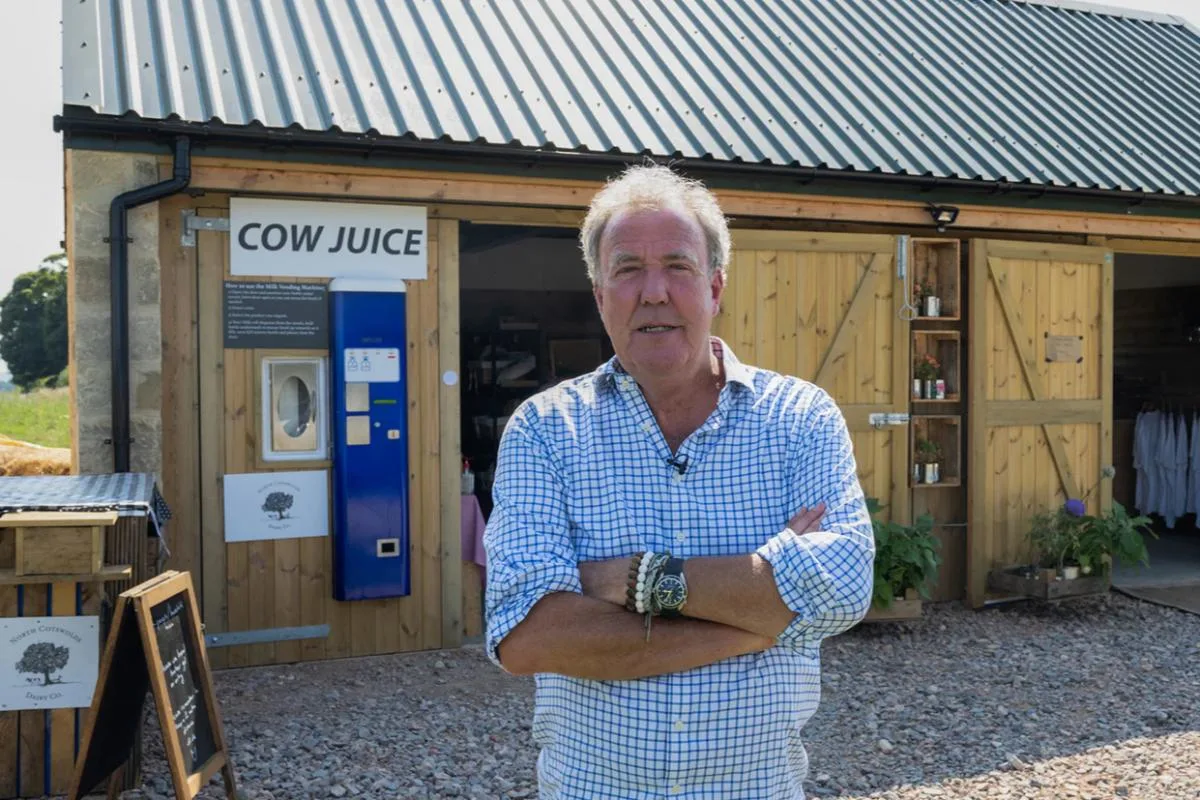
In a groundbreaking move that highlights the growing threat of artificial intelligence in the digital age, television icon Jeremy Clarkson has announced plans to become one of the first celebrities to trademark his own face. The 65-year-old broadcaster, best known for his sharp wit on Top Gear and his rustic adventures on Clarkson’s Farm, is taking this unprecedented step to combat the rise of deepfake con artists who have exploited his image and voice in fraudulent schemes. With filming for Season 5 of his hit Amazon Prime Video series recently wrapped amid a year of personal and professional challenges, Clarkson’s decision underscores a broader fight against AI-driven misinformation that has plagued public figures worldwide.
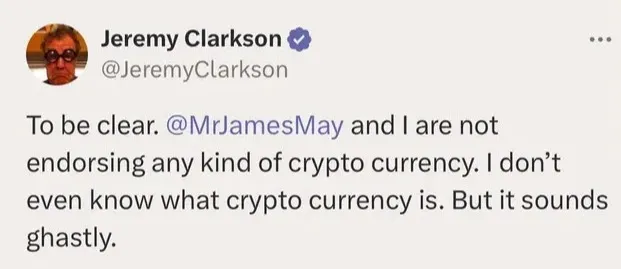
The initiative comes after a series of alarming incidents where deepfake technology—advanced AI that creates hyper-realistic but fabricated videos and images—was used to depict Clarkson endorsing bogus products. Last year, deceptive ads surfaced on X (formerly Twitter) featuring Clarkson alongside his former The Grand Tour co-hosts James May and Richard Hammond, seemingly promoting cryptocurrency investments. Clarkson, who has repeatedly distanced himself from such ventures, fired back at the time: “I don’t even know what cryptocurrency is. But it sounds ghastly.” These unauthorized endorsements tricked unsuspecting fans into parting with their money, prompting Clarkson to seek legal protections beyond traditional copyright laws.
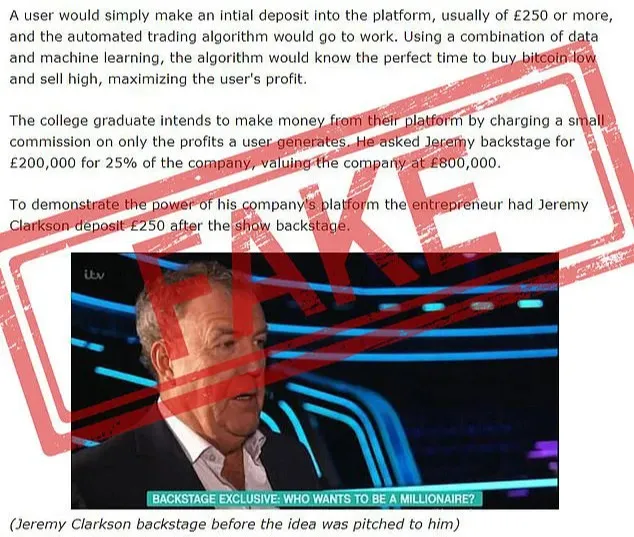
“It’s for perfectly good reasons—it’s not just my ego running amok,” Clarkson explained in a recent interview. “It’s an AI thing… because there’s so much activity around bitcoin or mortgage loans where my face, name, image, voice and so on has been used to promote things that I’m not promoting.” By trademarking his likeness, Clarkson aims to establish exclusive rights over his facial features, voice, and persona, making it easier to pursue legal action against scammers. This places him in elite company, akin to KFC’s Colonel Sanders, who famously trademarked his iconic appearance, or other celebrities like Formula 1 champion Max Verstappen and Dutch models Yasmin Wijnaldum and Rozanne Verduin, who have secured similar protections under European trademark law.
The process, while innovative, is not without its complexities. Trademarking a face involves submitting detailed applications to intellectual property offices, often requiring proof that the likeness is distinctly associated with commercial activities. In the UK, where Clarkson resides, the Intellectual Property Office (IPO) evaluates such claims based on uniqueness and potential for consumer confusion. Legal experts suggest Clarkson’s high-profile status and documented deepfake incidents could strengthen his case, potentially setting a precedent for other stars. “I’m protecting people from ‘me’, but it’s not me, promoting something that I’m not. God it’s absurd,” he added, highlighting the surreal nature of battling one’s own AI-generated doppelgänger.
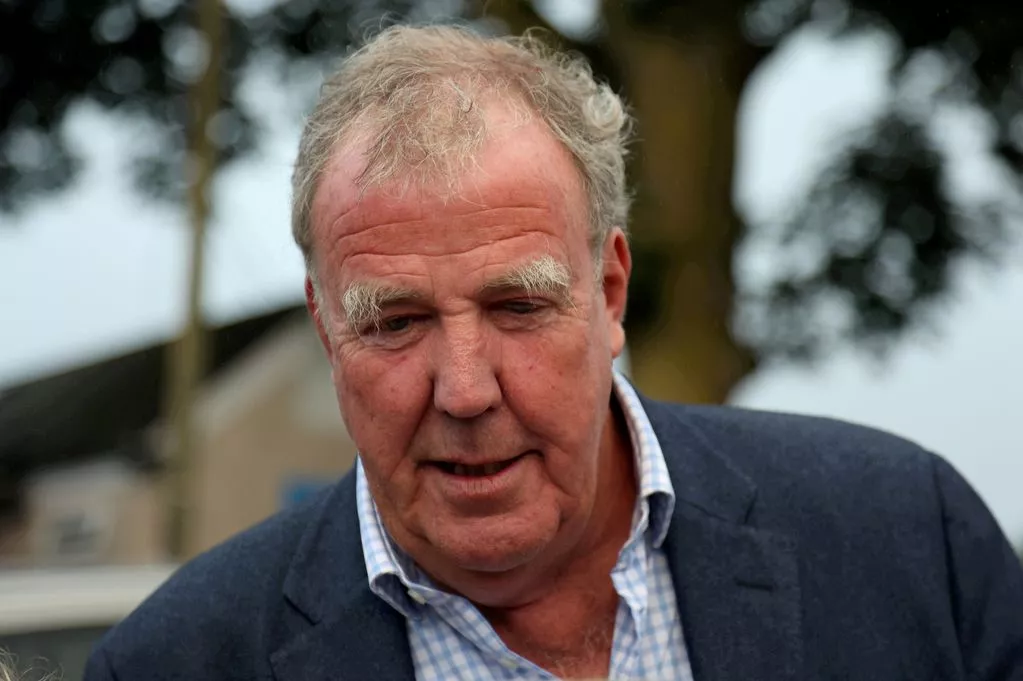
This development arrives amid a tumultuous period for Clarkson, who has been candid about the “conveyor belt of misery” that defined 2025 on Diddly Squat Farm. In his Sun column, he detailed health woes, the fallout from Chancellor Rachel Reeves’ November 2024 budget—which altered inheritance tax rules for farms—and brutal weather conditions that rendered expensive new equipment useless due to drought. A bovine tuberculosis outbreak further devastated operations, leading to the culling of a pregnant cow and a two-month shutdown. Yet, despite sending the Amazon cameras away for a break, Clarkson affirmed the show—and farm—will continue: “Kaleb’s out there now in his tractor and after I’ve finished writing this, I’ll be joining him. The show goes on.”
While Clarkson pushes forward with trademark plans, there’s no indication yet that May or Hammond will follow suit, despite their shared victimization in the crypto deepfakes. Paperwork for such applications remains absent, leaving fans to speculate on whether the trio’s bond extends to joint legal defenses.
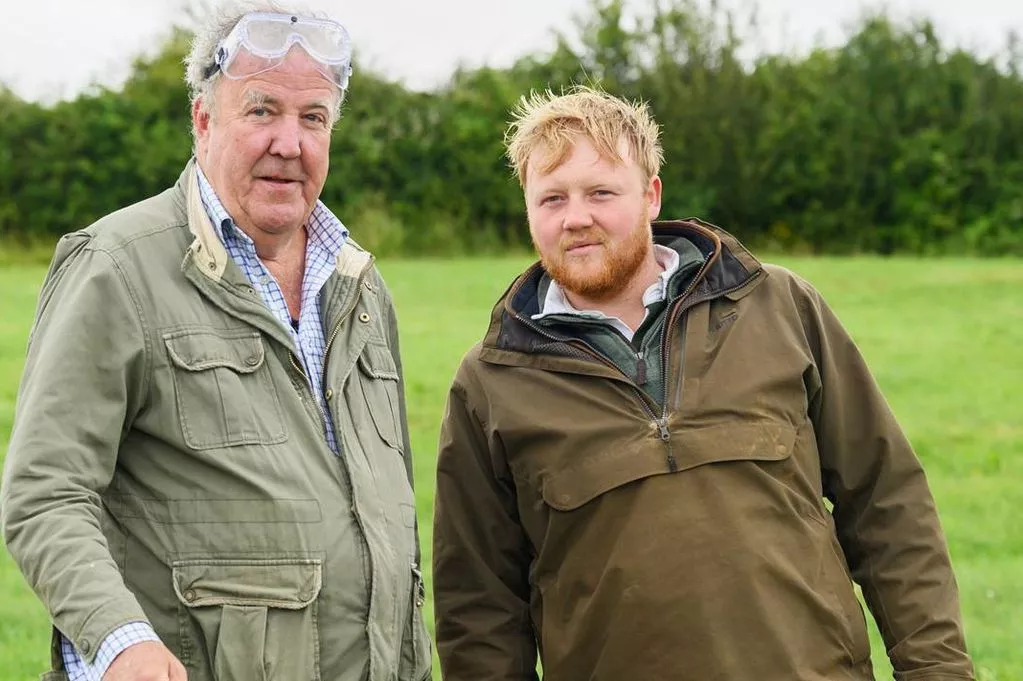
The rise of deepfakes has become a global epidemic, with celebrities like Tom Hanks, Scarlett Johansson, and Taylor Swift also falling prey to manipulated media. In response, governments and tech companies are scrambling: The EU has enacted laws requiring deepfake labeling, while platforms like X face mounting pressure to enhance detection algorithms. Clarkson’s proactive stance not only safeguards his brand but also amplifies the plight of everyday individuals targeted by AI scams.
As Clarkson’s Farm gears up for its fifth season next spring—promising a more somber tone amid the laughs—fans can expect glimpses into these off-screen battles. From petrolhead provocateur to farmer advocate, Clarkson’s evolution continues, now with his face as a fortified asset in the war against digital deception. Whether this trademark halts the deepfake tide remains to be seen, but one thing’s certain: Jeremy Clarkson isn’t backing down without a fight.