Jeremy Clarkson’s unlikely reinvention as a farmer has gone far beyond entertainment value—it has sparked what experts are now calling the “Jeremy effect,” inspiring a whole new generation of students to consider careers in farming and land management.
The former Top Gear presenter, best known for roaring supercars across racetracks and delivering witty commentary on motoring, took a dramatic turn when he purchased land in Oxfordshire back in 2008. At that time, the property was known as Curdle Hill Farm, but it wasn’t until 2019 that Clarkson decided to personally take charge of its operation. The 1,000-acre property, now famous as Diddly Squat Farm, became the unlikely stage for his latest television project, Clarkson’s Farm, on Amazon Prime.
The series, now four seasons strong, has become an international phenomenon. What began as a somewhat tongue-in-cheek experiment—Jeremy Clarkson, a man with no farming experience, attempting to run a farm—has evolved into an eye-opening chronicle of modern agriculture. Viewers have been captivated not only by Clarkson’s trademark humor but also by the candid portrayal of the backbreaking challenges, financial struggles, and unpredictable realities that British farmers face on a daily basis.
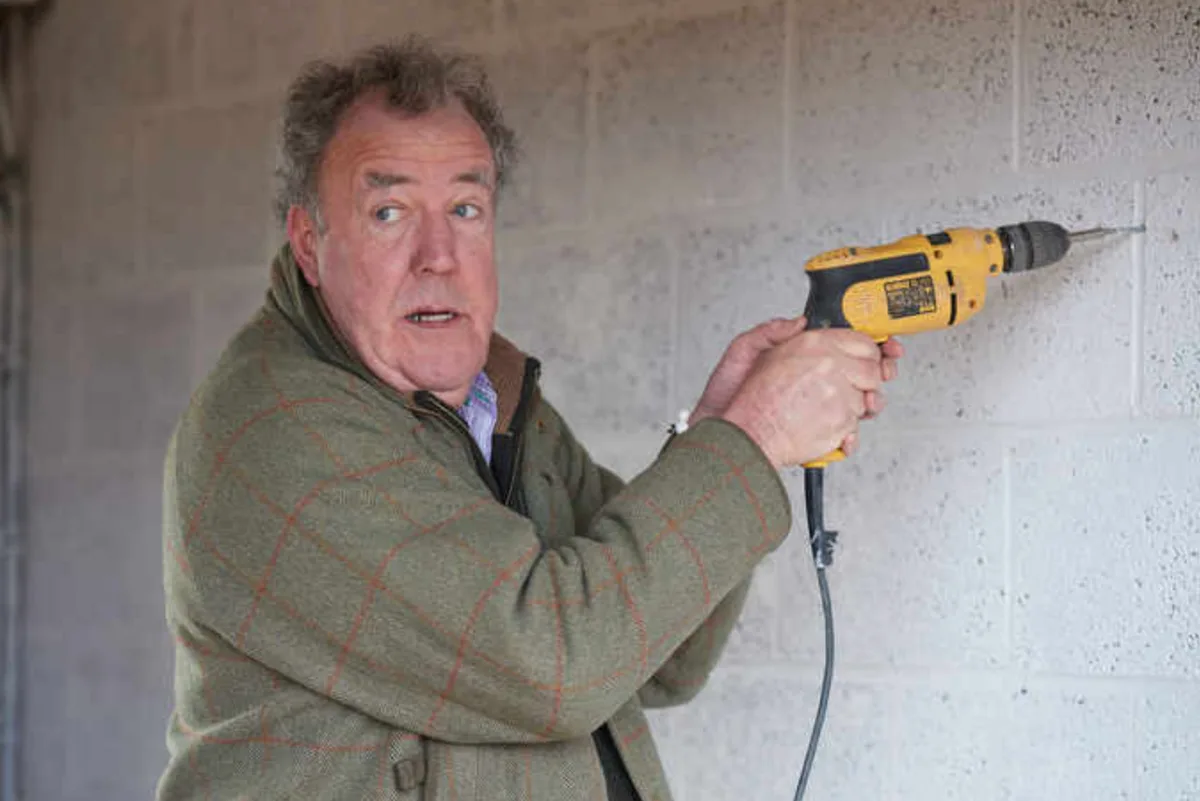
Unexpectedly, this mix of education and entertainment has had a measurable impact on young people. Across the United Kingdom, agricultural colleges are reporting a surge in applications, with teenagers openly admitting that Clarkson’s Farm was their first real introduction to the world of farming and land management. Business Matters reports that students see the show as more than television—it has become a gateway into a profession often overlooked by those outside rural communities.
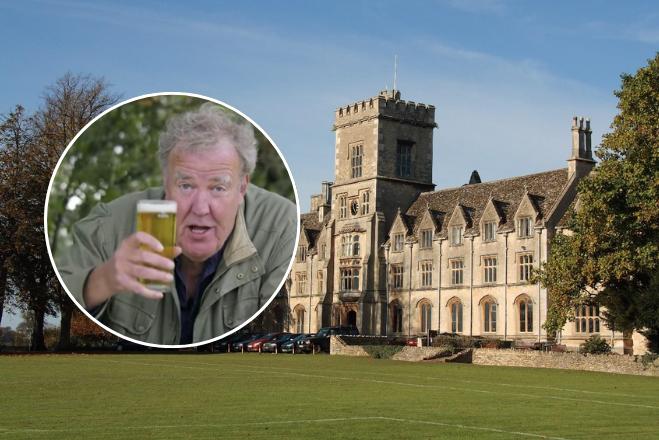
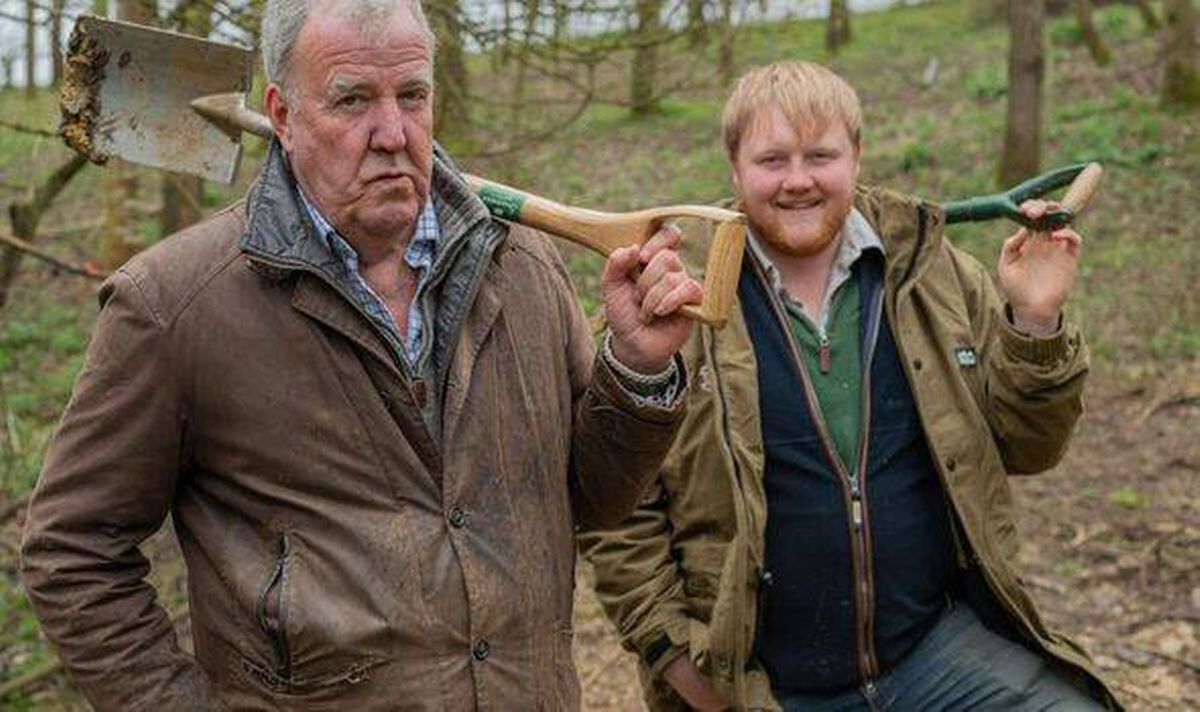
The Royal Agricultural University (RAU) in Gloucestershire has seen an 11 percent rise in applications for its land management program, a significant increase in a traditionally steady field. Plumpton College in East Sussex has echoed this trend, attributing the uptick in interest to what staff call the “Jeremy effect.” Notably, Clarkson’s fellow cast members have also become role models. Kaleb Cooper, the straight-talking young farmhand who quickly became a fan favorite, is particularly influential. His authenticity and passion for farming have resonated with viewers, many of whom now cite him as a reason for pursuing agricultural studies. Cooper has gone even further, launching a bursary scheme at RAU specifically aimed at helping students from non-farming backgrounds adapt to agricultural life. Clarkson’s on-screen advisor, land agent Charlie Ireland, has likewise been credited with raising awareness about the professional side of rural management.
This growing interest in agriculture comes at a critical time. Despite the glamour television has brought to farming, Clarkson himself has repeatedly stressed the harsh realities of the industry. From fluctuating crop yields to unpredictable weather, rising costs, and restrictive government policies, he has used his public platform to highlight the existential challenges farmers face. Just earlier this month, Clarkson sounded the alarm on social media, warning that “this year’s harvest will be catastrophic,” adding bluntly: “That should be a worry for anyone who eats food.”
In many ways, Clarkson has become an unlikely ambassador for farming. While his approach is often comedic, his platform has shed light on an industry in crisis, while simultaneously inspiring fresh talent to enter the field. The result is a cultural shift few could have predicted: an entertainment series not only shaping public conversation but also actively steering young people toward agricultural education and, potentially, careers that will define the future of Britain’s food production.
