Key Political Decisions Loom for Jeremy Clarkson’s Cotswolds Operations as Local Elections Approach

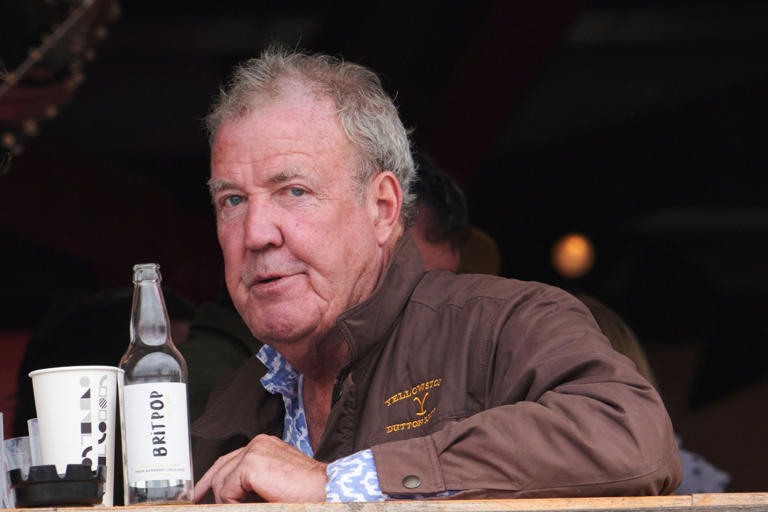
Jeremy Clarkson, the former Top Gear and The Grand Tour presenter, has made a significant impact on the Cotswolds region with his ventures, including the well-known Diddly Squat Farm in Chadlington. After years of living in the picturesque Oxfordshire countryside, Clarkson has firmly planted his roots in the area. However, with the upcoming local elections in West Oxfordshire, political decisions will play a crucial role in shaping the future of his businesses, including his farm and his pub, The Farmer’s Dog, which has already sparked some controversy.
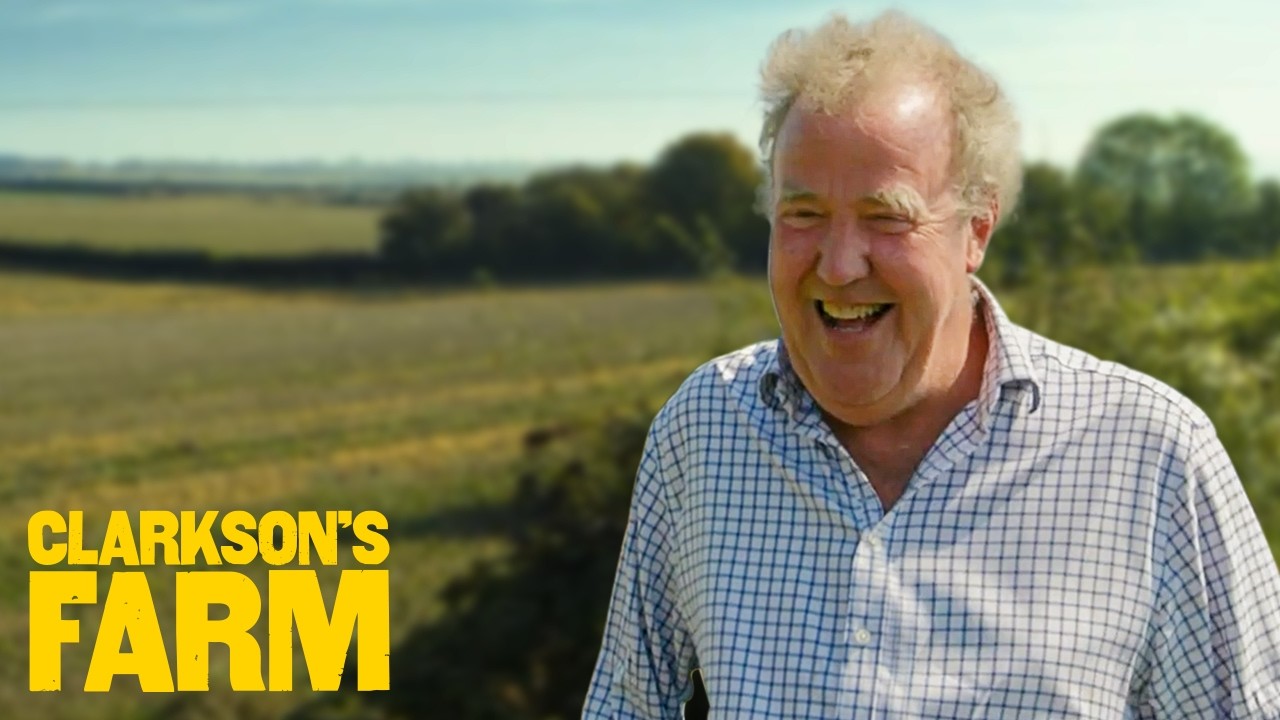
Clarkson’s Diddly Squat Farm, located just outside the charming village of Chadlington, has been at the center of both success and dispute. Since acquiring the farm, Clarkson has gained attention for his show Clarkson’s Farm, which documents his often chaotic yet humorous attempts to manage the farm. The farm has become a well-known landmark for fans of the show and visitors alike, offering a unique glimpse into Clarkson’s rural life.
In addition to his farming pursuits, Clarkson made a major move in 2024 by purchasing The Windmill pub in Asthall, a quaint village nearby. He renovated the pub and rebranded it as The Farmer’s Dog. Since its reopening, the pub has been a hit, regularly attracting large crowds. Its success has not been without challenges, particularly with planning regulations and council disputes. One of the most recent issues involves the pub’s overflow car park, which has raised concerns with the local council. This mirrors the ongoing struggles Clarkson has faced with his Diddly Squat Farm, where he has had multiple run-ins with West Oxfordshire District Council over planning permissions and other matters.
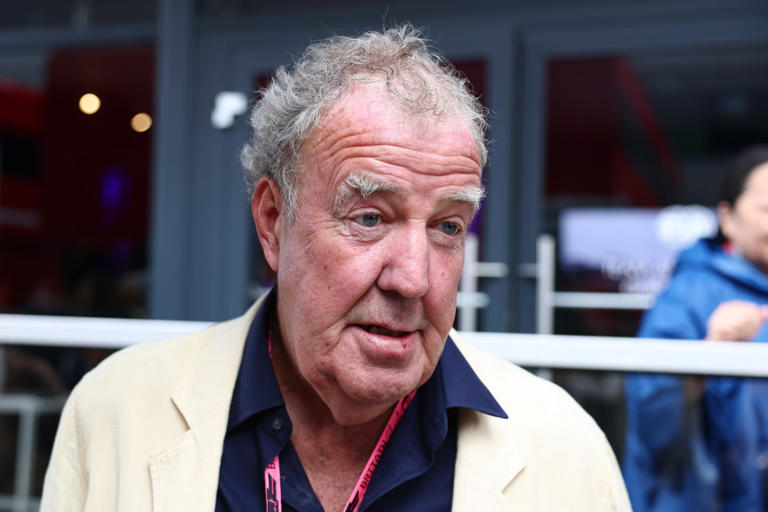
With the elections fast approaching, these local political dynamics could play a significant role in Clarkson’s future plans. West Oxfordshire residents will go to the polls on Thursday, May 7, to elect one-third of the council’s representatives. A total of 16 wards will be contested, with one seat in each up for grabs. This includes the ward representing Chipping Norton, a town just a stone’s throw from Clarkson’s Diddly Squat Farm Shop. The election results will help decide who will be representing the area and, more importantly, who Clarkson may need to liaise with in the future to push forward any plans for his businesses.
The candidates for the Chipping Norton ward have already been announced, giving local voters a chance to familiarize themselves with the choices ahead. Sandra June Coleman is running for the Liberal Democrats, while Claire Eliane Lasko is representing the Green Party. Darren Marshall is standing as the candidate for Reform UK, and Caspar Morris is the Conservative Party’s choice. Meanwhile, Sian O’Neill is running for Labour and the Co-operative Party. This mix of political ideologies suggests a potentially lively campaign, with different parties offering varied perspectives on issues such as local development, planning, and business operations like Clarkson’s.
One key figure in the upcoming election is Liberal Democrat councillor Nigel Ridpath, who was elected in 2024 to represent the Chadlington and Churchill ward. Ridpath’s tenure lasts until 2028, meaning he will continue to serve in the area regardless of the outcome of the upcoming vote. This offers some stability for Clarkson’s operations, as Ridpath has already been involved in discussions related to the planning and zoning of Diddly Squat Farm and The Farmer’s Dog pub. However, with new candidates in the mix, Clarkson may need to build new relationships or navigate political shifts to ensure that his projects can continue to thrive in the region.
For Clarkson, the election is not just about politics—it’s about ensuring that his businesses can continue to grow and contribute to the local economy. The outcome of the election may influence how his ventures are regulated, what new developments can take place, and how future projects will be received by the local community.
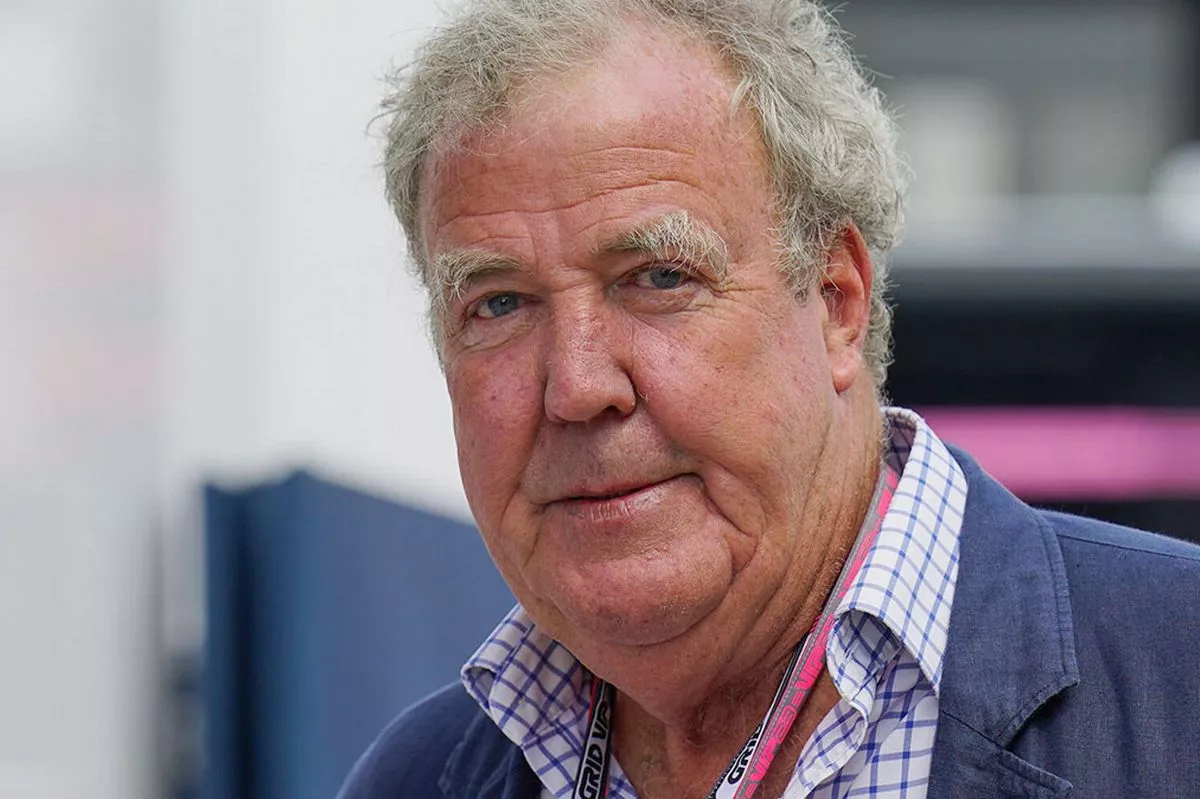
While the political landscape in West Oxfordshire remains fluid, one thing is certain: Clarkson’s presence in the region is only growing. His unique approach to farming, as well as his successful pub venture, have drawn attention from both locals and visitors. But with these new political developments on the horizon, the future of Clarkson’s businesses could depend on how the local government responds to his operations.
As the May 7 election date draws closer, Clarkson and his supporters will be keeping a close eye on the results, hoping that the new council representatives will continue to support the success of his ventures. With a track record of controversies and triumphs, Clarkson’s businesses will no doubt continue to shape the conversation in West Oxfordshire for years to come.