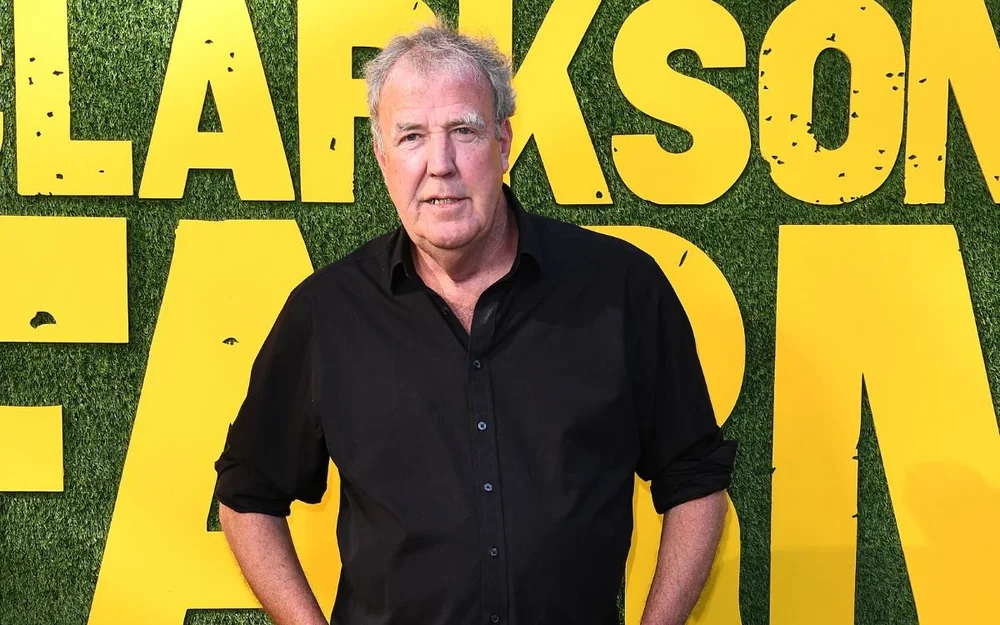
After months of sustained protests by farmers — many of them amplified by outspoken support from Jeremy Clarkson — Labour has significantly scaled back its controversial plans to tax inherited farmland, in what critics have described as a clear retreat.
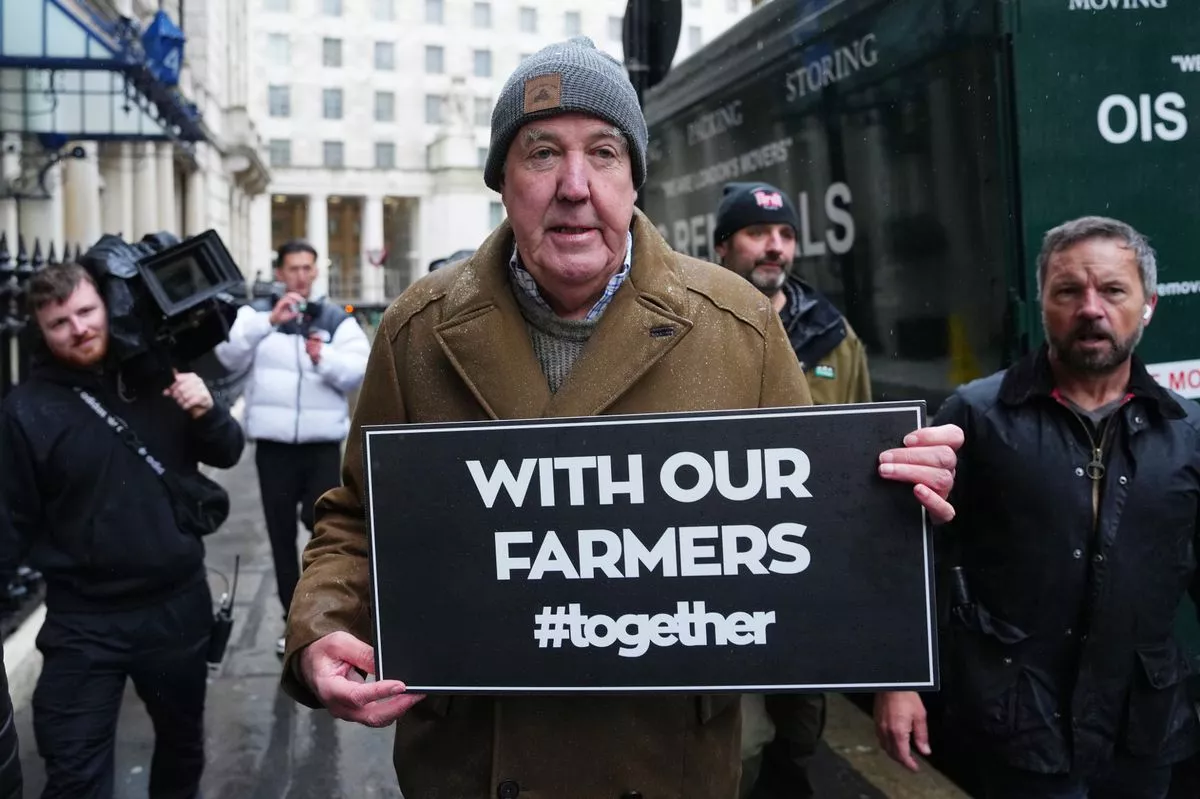
Farmers across the UK are now welcoming the government’s decision to raise the inheritance tax threshold for agricultural land, following what many see as intense and unavoidable pressure from the rural community. The policy shift comes after repeated demonstrations, tractor convoys in central London, and a highly public campaign led in part by Clarkson, who used his platform to warn that the original proposals could devastate family-run farms.
Original plans sparked widespread anger
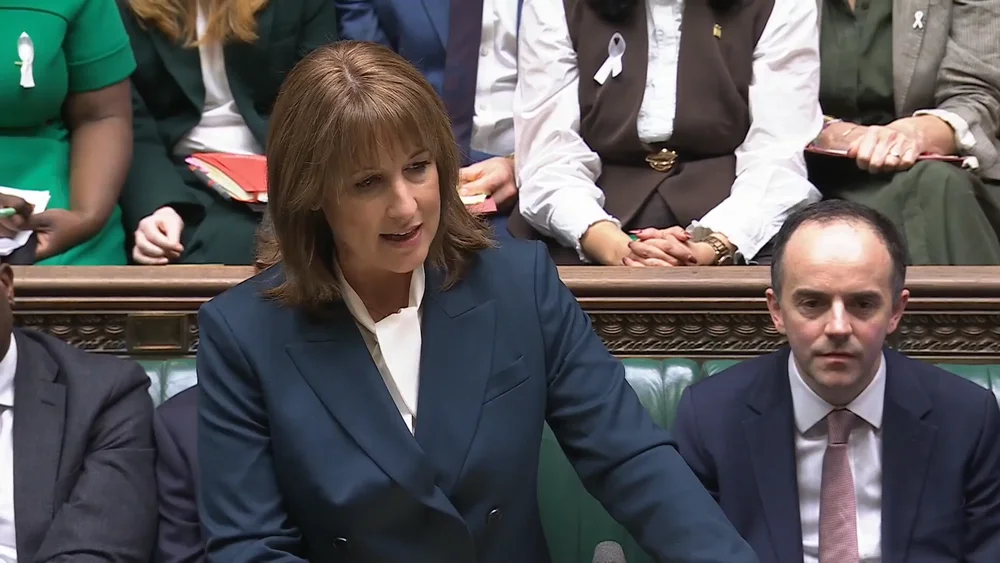
The inheritance tax changes were first announced last year by Chancellor Rachel Reeves, with proposals to apply a 20 per cent tax on agricultural assets valued above £1 million from April 2026. The announcement was met with immediate concern across the farming sector, with warnings that the threshold would place heavy financial strain on multi-generational farms whose land values often far exceed their actual cash income.
Clarkson, who runs Diddly Squat Farm in Oxfordshire and stars in Clarkson’s Farm, emerged as one of the most visible critics. He repeatedly argued that the policy demonstrated a lack of understanding of how farms operate, saying it risked forcing families to sell land simply to meet tax demands.
Threshold raised after pressure mounts
On Tuesday, Labour confirmed it would raise the threshold from £1 million to £2.5 million, a move that will mean most family farms will no longer face the inheritance charge. For spouses or civil partners, up to £5 million in qualifying agricultural or business assets can now be passed on before inheritance tax applies, on top of existing allowances.
Above that level, a 50 per cent relief will apply, meaning a reduced effective rate of up to 20 per cent rather than the standard 40 per cent.
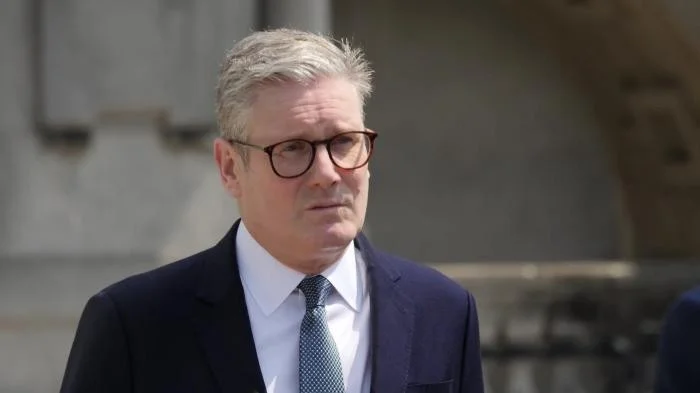
The decision follows high-level discussions between Prime Minister Sir Keir Starmer and National Farmers’ Union president Tom Bradshaw, after nearly a year of protests and lobbying by farming groups.
Clarkson and campaigners claim victory
Clarkson welcomed the change, describing it as proof that sustained pressure from farmers had finally been acknowledged. He has repeatedly warned that policies perceived as hostile to rural Britain risk eroding trust between government and the countryside, a message echoed by many protest organisers.
Gareth Wyn Jones, a farmer from North Wales and one of the protest leaders, called the announcement “great news” and said the revised threshold would protect the future of many family farms that had feared being caught by the original plans.
The campaign group No Farmers, No Food also welcomed the decision, describing it as a major step forward while warning that further reform may still be needed. “It’s not perfect,” the group said, “but it shows what can be achieved when farmers refuse to be ignored.”
Human cost of the uncertainty
The debate has also highlighted the emotional toll of the original proposals. One farmer, whose father died by suicide shortly before last October’s Budget amid fears over inheritance tax changes, said the government’s decision would come as “the best Christmas present for a lot of farmers”.
While welcoming the revised policy, he said the uncertainty of the past year had already caused lasting damage and urged ministers to better consult rural communities before introducing major reforms.
Political reactions remain divided
Opposition figures described the move as a significant U-turn, while rural organisations said it reflected growing awareness within government that relations with the countryside had deteriorated.
Mo Metcalf-Fisher, director of external affairs at the Countryside Alliance, said the change was welcome but warned that trust had been badly damaged. “This policy caused months of unnecessary anxiety,” he said. “The government still has a long road ahead if it wants to rebuild confidence among rural communities.”
Environment secretary Emma Reynolds said the revised approach struck a balance between fairness and protecting family farms, adding that larger estates should contribute more while smaller operations are safeguarded.
A cautious relief
While farmers have welcomed the revised threshold, many remain cautious. After repeated assurances ahead of the election, the original proposals were widely seen as a breach of trust. Clarkson and other campaigners have warned that rebuilding confidence will take time — and that the countryside will be watching closely.
For now, however, the decision marks a clear turning point, shaped in no small part by months of protests and the unusually vocal involvement of one of Britain’s most recognisable farming advocates.
