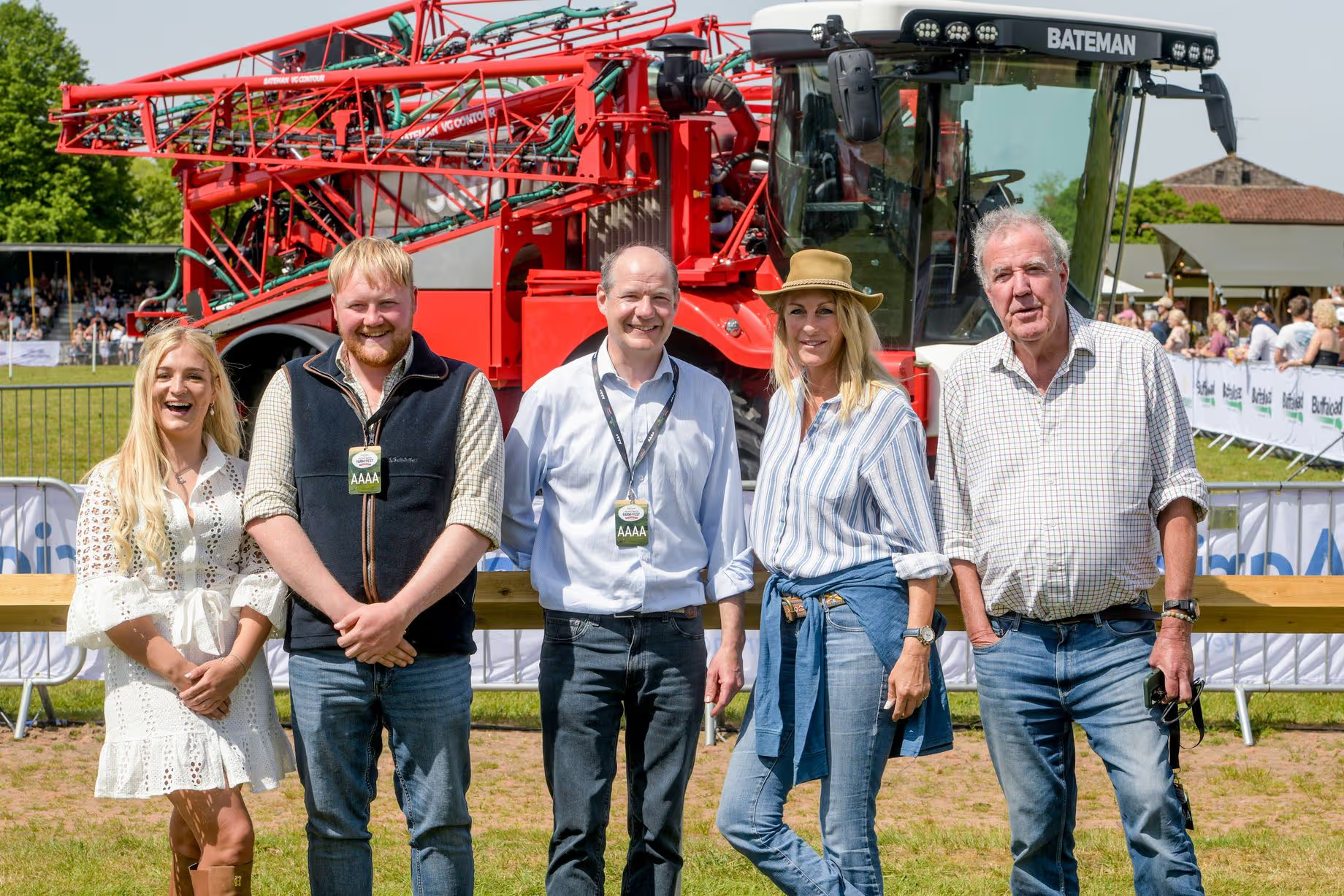
Since its debut, Clarkson’s Farm has captivated audiences worldwide, chronicling Jeremy Clarkson’s trials and triumphs as he navigates life on a 1,000-acre farm in Chipping Norton. But behind the cameras, another story has quietly unfolded—one that has largely gone unnoticed by both the press and viewers. While Clarkson faced council disputes, planning restrictions, and public scrutiny, Lisa Hogan, his partner, was methodically building a business empire that would outlast any single television season.
Planning documents and commercial filings reveal that Hogan has deployed at least five strategic “loopholes” to secure the ongoing profitability and resilience of the Diddly Squat brand. The first emerged with the farm shop. Contrary to public perception, the shop was not a spontaneous venture. An anonymous 2019 planning application described a “lambing shed and farm shop including car parking and associated access,” which sailed through with minimal scrutiny. Hogan recognized that once granted, planning permission created a protected commercial foundation, allowing the shop to generate revenue regardless of council interference. Within its first week, the shop earned £1,000 per day selling a single product: potatoes. Hogan immediately grasped the potential: this was no ordinary farm outlet—it was a destination.
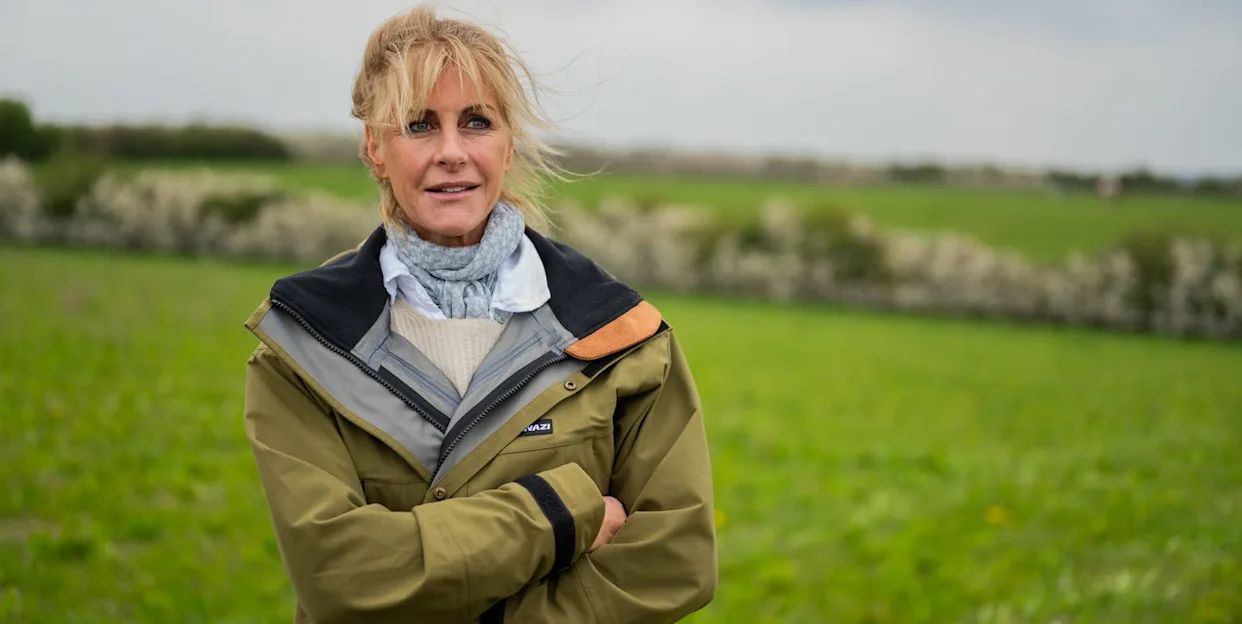
The second strategic move turned the council’s restriction into a branding advantage. When the West Oxfordshire District Council imposed a condition that goods sold in the farm shop had to be sourced within a 16-mile radius, Hogan reframed the restriction as a premium selling point. The rule emphasized local provenance, creating a brand narrative that supermarkets could not replicate. What was intended to limit the business instead became its defining feature, signaling authenticity and quality to every visitor in the queue.
Hogan’s third innovation exploited media and social culture. Inspired by high-visibility stunts such as Goop’s infamous scented candle, she launched her own humorous product—This Smells Like My Bollocks—which garnered extensive press coverage at virtually no cost. From clever product names to viral shareability, Hogan created a self-marketing system that generated free publicity and amplified the Diddly Squat brand without traditional advertising expenditure. Each product—from Cow Juice Vodka to Shockingly Good Hand-Cooked Crisps—was crafted to carry the farm’s story and Clarkson’s persona into consumers’ homes, reinforcing brand loyalty and cultural recognition.
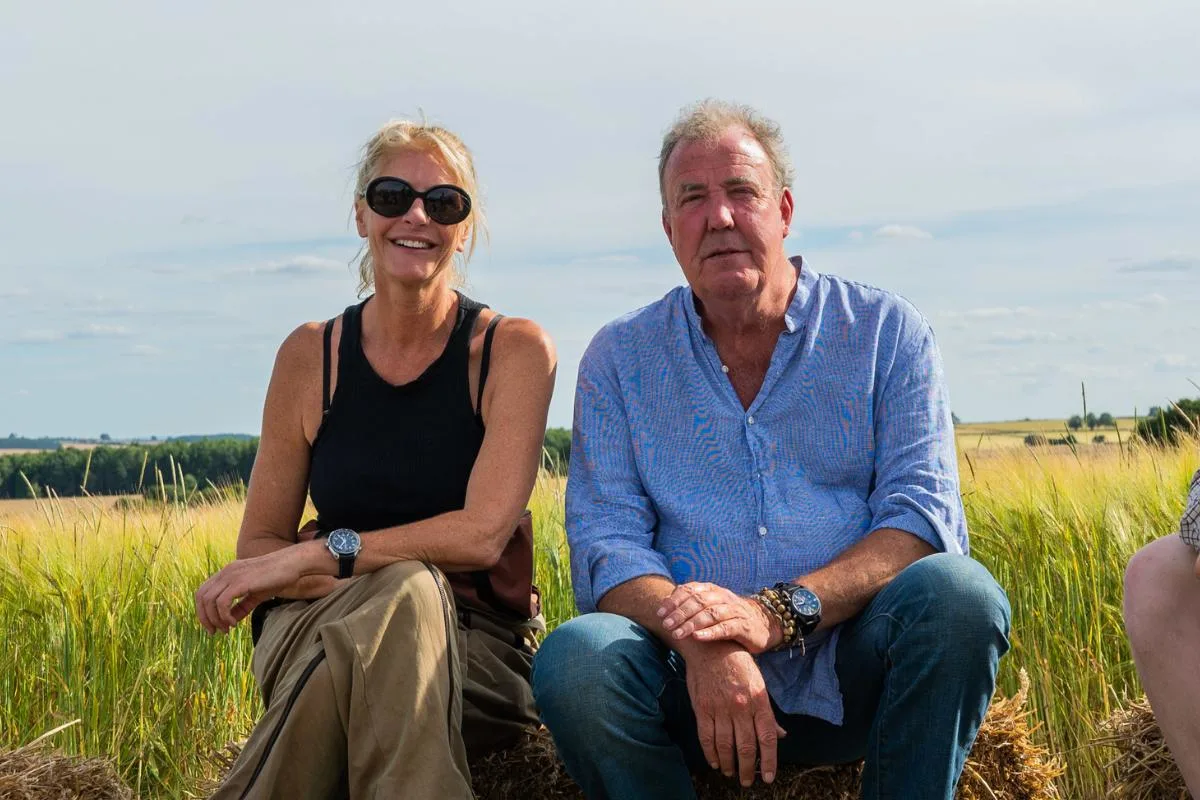
Perhaps the most remarkable development came from partnerships and structural leverage. In 2024, Amazon Fresh began stocking Diddly Squat products both online and in physical stores. This move was not a simple retail arrangement; it integrated the television audience into a direct sales channel. Millions of viewers familiar with the farm shop on screen could now purchase its products through Amazon’s logistics network. The media exposure, distribution, and consumer trust were already established, effectively creating a national retail presence overnight—without the farm having to expand physically. Hogan’s strategic foresight ensured that Diddly Squat’s commercial foundation could operate independently of Clarkson’s on-site presence.
Hogan’s European Union citizenship represents a fifth, often overlooked advantage. With Brexit creating new trade barriers for British businesses, her status allows the farm and affiliated ventures to operate freely within the EU, giving Diddly Squat a structural edge over competitors seeking market expansion across Europe. This legal and commercial foresight positions the brand for sustainable growth in ways that few other farm operations could replicate.
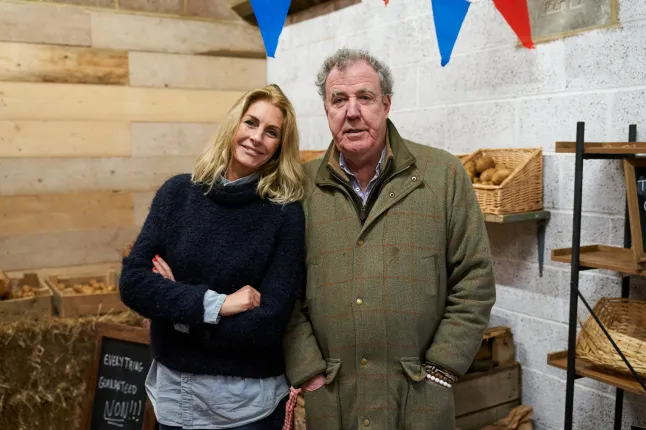
By the time Clarkson’s Farm Season 5 aired in June 2026, the public focus remained firmly on Clarkson—his heart procedure, protests, and personal triumphs. Yet, Hogan had already established a resilient, multi-layered commercial infrastructure. From planning loopholes to viral marketing, from strategic partnerships to international market access, she had transformed Diddly Squat Farm from a small rural shop into a brand capable of thriving independently. What emerges from the records is clear: while Clarkson provided the story and personality, it was Lisa Hogan who built the operational backbone, ensuring the farm’s longevity and financial success.
In the world of British agriculture and television, this story underscores a rare truth: a successful brand is rarely the work of a single figurehead. Behind every headline and viral moment lies strategy, legal acumen, and foresight. Lisa Hogan’s work exemplifies how vision, creativity, and careful planning can turn constraints into competitive advantages, leaving a legacy that will endure far beyond the cameras.
