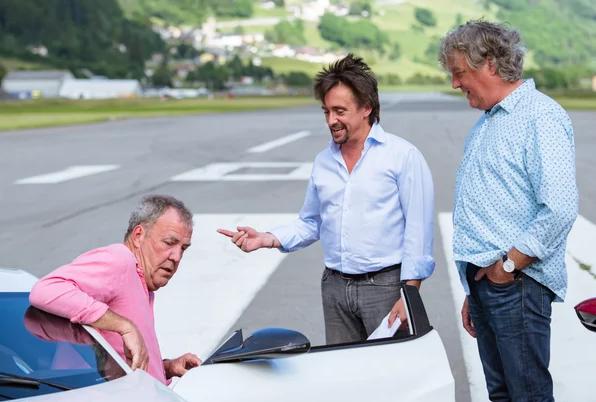
Top Gear’s legendary presenting trio — Jeremy Clarkson, James May, and Richard Hammond — has come under fresh scrutiny after it was revealed that BBC executives once considered the line-up “too white.” The revelation has sparked renewed discussion about the broadcaster’s internal attitudes toward the hit motoring show during its peak years.
The three presenters fronted Top Gear throughout the 2000s and early 2010s, becoming global celebrities thanks to their natural chemistry, comedic rivalry, daring challenges, and sharp automotive insight. Their version of the show became one of the BBC’s most successful exports, attracting millions of viewers worldwide and redefining how car programmes were made.
However, new claims from former Top Gear and The Grand Tour executive producer Andy Wilman suggest that not everyone within the BBC was comfortable with the overwhelmingly popular trio. Speaking ahead of the release of his new book on Thursday (November 6), Wilman shared behind-the-scenes stories that reveal growing pressure from senior management to alter the show’s on-screen dynamic.
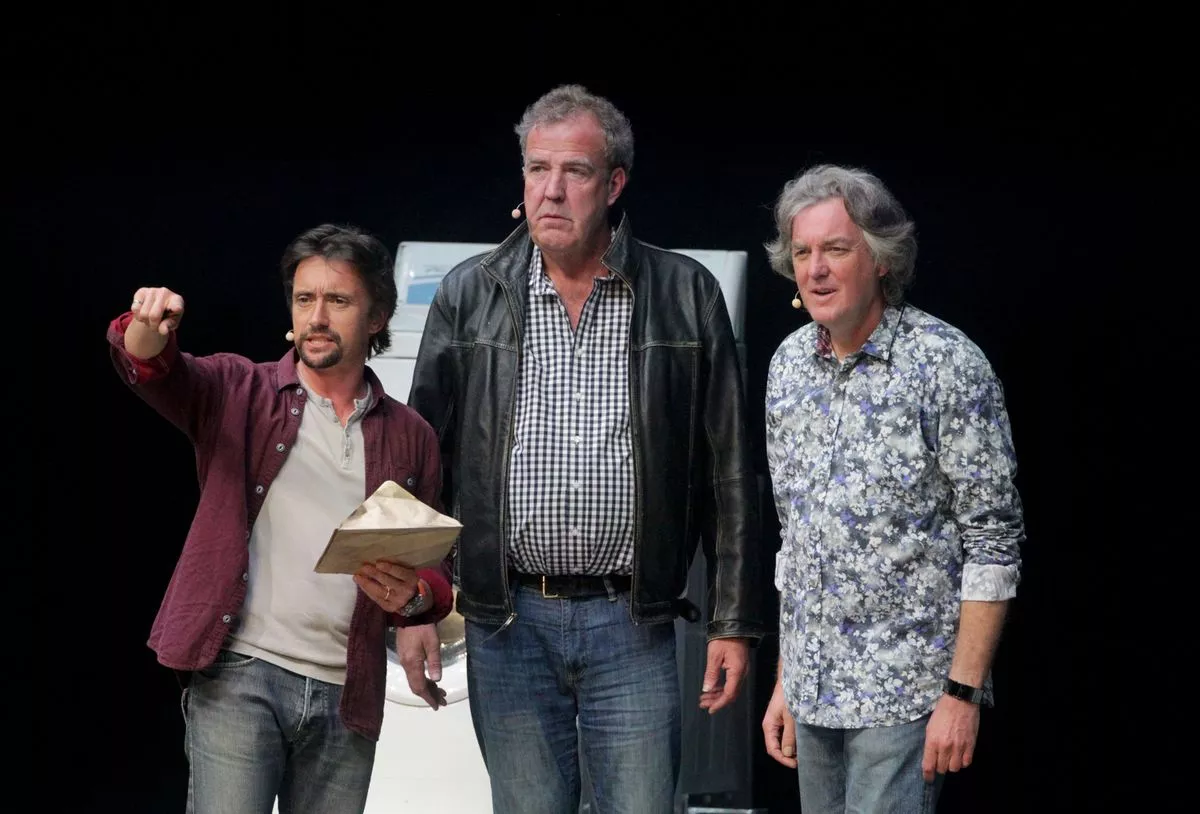
In excerpts published by The Sun, Wilman recalled a meeting in which BBC bosses enthusiastically informed him of “tremendous news”: Top Gear was attracting significant numbers of young Black and Asian viewers. Instead of celebrating the show’s broadening appeal, executives used the data to argue that the presenting team needed to change. According to Wilman, one senior figure asked him directly:
“So, how about replacing one of your line-up with a young, black or Asian presenter?”
Wilman says he was stunned by the suggestion. He pushed back, arguing that viewers of all backgrounds were tuning in because they genuinely enjoyed the dynamic between Clarkson, May, and Hammond — not because they were demanding a replacement.
He recalled responding along the lines of:
“So let me get this straight — young Black and Asian viewers have chosen, entirely by themselves, to watch three white, middle-aged, middle-class men joking around and doing the show as they always do. And your response to that success is to break up the very team they enjoy watching, and give them something they’re not even asking for?”
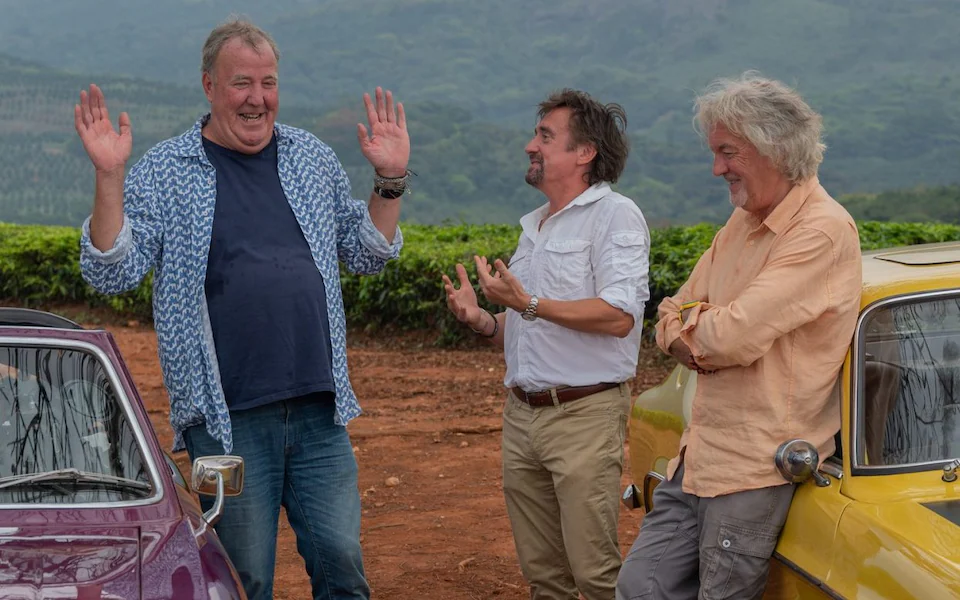
He added that such an approach felt “patronising” to those audiences, suggesting that the BBC’s thinking was more about optics than about giving viewers what they actually wanted.
The claims highlight longstanding tensions that existed behind the scenes during the Clarkson-era Top Gear years, an era that ultimately came to an end in 2015 before the trio moved to Amazon Prime Video to launch The Grand Tour. Today, the episode adds another layer to the complicated relationship between the presenters and the BBC — one shaped by enormous success, repeated controversies, and ongoing debates about representation in broadcasting.
Wilman’s full recollections are expected to be detailed further in his upcoming book, which promises a rare, candid look at the internal politics surrounding one of the most influential TV franchises of the last two decades.
