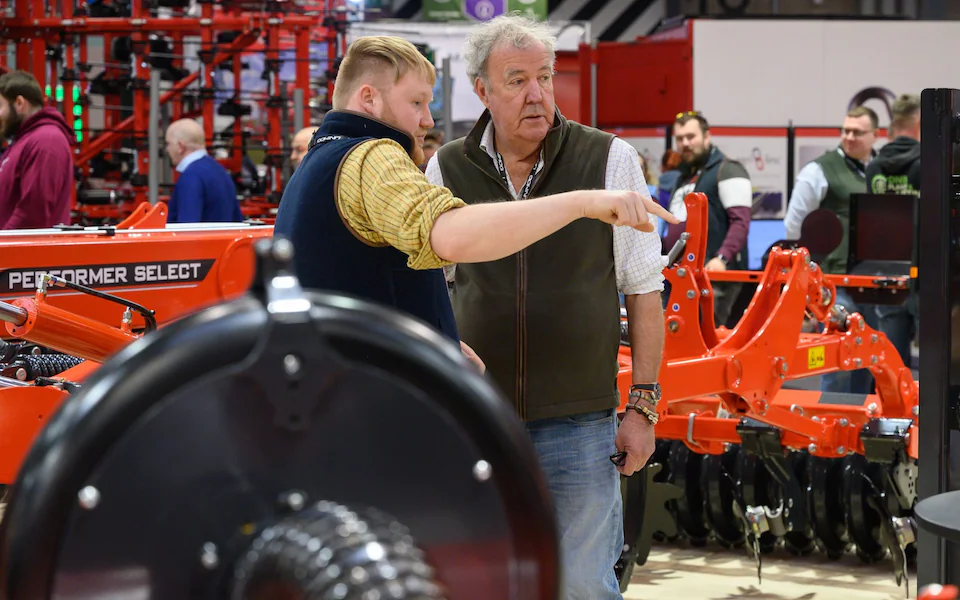
As Jeremy Clarkson shows, life on a British farm is already tough and has become harder under the current government. The latest series of Clarkson’s Farm (Amazon Prime Video) should perhaps never have been made, not due to its quality—it is excellent—but because Clarkson was advised to rest after stress-related heart disease. Despite this, the series thrives, capturing the strain on Clarkson and the realities of modern farming.
Season five portrays Clarkson grappling with personal health risks and governmental pressures while keeping Diddly Squat Farm operational. The episodes highlight the fragility of farm life, with Clarkson continuing physically demanding work and the team showing genuine concern. These stories reflect the reality for many British farms, where older generations still toil to sustain multi-generational family businesses.

Farming stress intensifies when diversifying into customer-facing enterprises such as pubs or holiday cottages. The mental toll is considerable, with self-employed farmers unable to simply take time off. Work-related accidents and high suicide rates are common, exacerbated by government policies like inheritance taxes. Clarkson’s experience, aided by advisors like Charlie Ireland, sheds light on systemic challenges, generating public sympathy and awareness of the pressures facing the farming community.
The series also explores rural politics, with Clarkson participating in protests alongside thousands of farmers against policies that threaten family farms. His advocacy highlights the practical and emotional stakes involved, showing him weighing the risk to his health against the need to defend British agriculture.
Technology plays a prominent role in the series. Clarkson embraces driverless tractors, drones, and robotic equipment, contrasting sharply with Britain’s slower adoption compared to countries like the Netherlands. These technological glimpses offer both excitement and concern, suggesting a future where AI and automation could replace traditional labor. The show leaves viewers reflecting on the evolving nature of farming, where even a farm like Diddly Squat may be largely mechanized within a decade.
