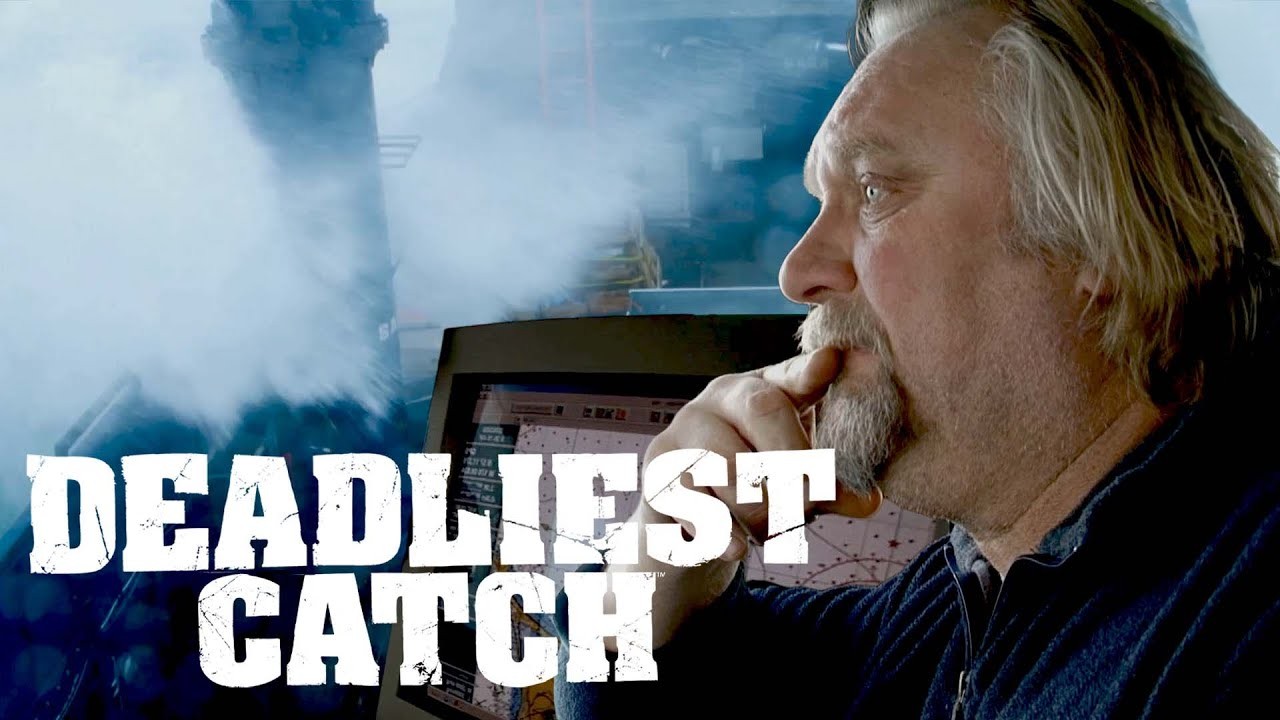
A succession of violent Arctic storms has left multiple crab vessels fighting for control in the Bering Sea, as crews featured on Discovery Channel’s Deadliest Catch faced towering waves, damaged equipment and critical safety decisions far from help.
Operating hundreds of miles northwest of Dutch Harbor, crews encountered rapidly deteriorating conditions as wind speeds climbed toward 50 knots and seas built well beyond what captains consider workable. Pot counts initially offered hope, with some cages producing record hauls, but those gains were quickly overshadowed by the growing danger on deck.
On several vessels, heavy seas made handling 700-pound crab pots increasingly hazardous. Deckhands struggled to maintain footing as waves rolled across open decks, forcing captains to weigh the pressure of quotas against the risk of injury and loss of gear. One skipper described the conditions bluntly, saying the sea had reached “double” what he considered a safe working environment.
The situation escalated when a rogue wave struck a nearby crabber, flooding its wheelhouse and briefly pushing the vessel onto its side. Nearby boats diverted from their own operations to monitor the stricken crew, maintaining radio contact while standing by in case assistance was required. The skipper later managed to regain control, an outcome fellow captains described as extremely fortunate given the conditions.
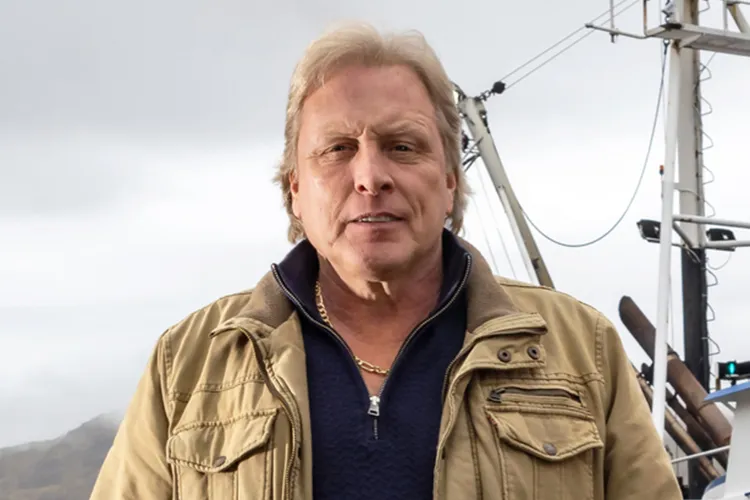
Elsewhere, damage mounted. On one vessel, a massive wave tore equipment loose, smashing hydraulic components and crippling the sorting table. Emergency repairs were carried out mid-storm, with crew members welding and securing gear while the boat pitched violently beneath them. “You fix it now, and you fix it right,” one captain said, aware that further failure could force a shutdown far from shelter.
The relentless weather also claimed expensive hardware. One skipper lost a 1,500-pound anchor after surging seas snapped it apart, leaving the vessel unable to hold position in shallow waters. With nearby harbours deemed unsafe to enter, the crew was forced to jog continuously into the storm, burning fuel and money while waiting for conditions to ease.
On the Time Bandit, Jonathan Hillstrand made the call to run early for port, navigating treacherous passes where wind, tide and shallow sandbars combined to form breaking white water. With tens of thousands of pounds of crab on board, the decision was as much about protecting the catch as it was about safeguarding the crew.
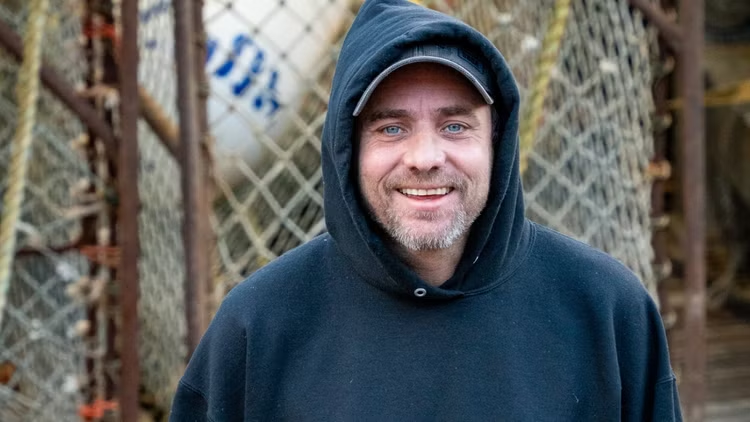
Further north, younger skippers attempting to make up lost ground found themselves repeatedly shut down by waves approaching 30 feet. In several cases, hauling was suspended entirely, with captains acknowledging that pushing harder could quickly tip the balance from productive to catastrophic.
As storms collided across the fishing grounds, crews were also forced to contend with freezing spray and accumulating ice — a dangerous combination that adds weight high on the vessel and threatens stability. Some boats opted to dump pots early and retreat south, abandoning preferred grounds in favour of safer water.
Veteran captains summed up the mood with weary realism: quotas remain unfinished, costs are climbing, and the weather shows little sign of easing. Yet operations continue, driven by narrow fishing windows and the knowledge that every missed day carries financial consequences.
In the Bering Sea, where forecasts shift by the hour and conditions can change without warning, this stretch of the season has once again reinforced a hard truth — success depends not only on finding crab, but on surviving the journey to haul them.
