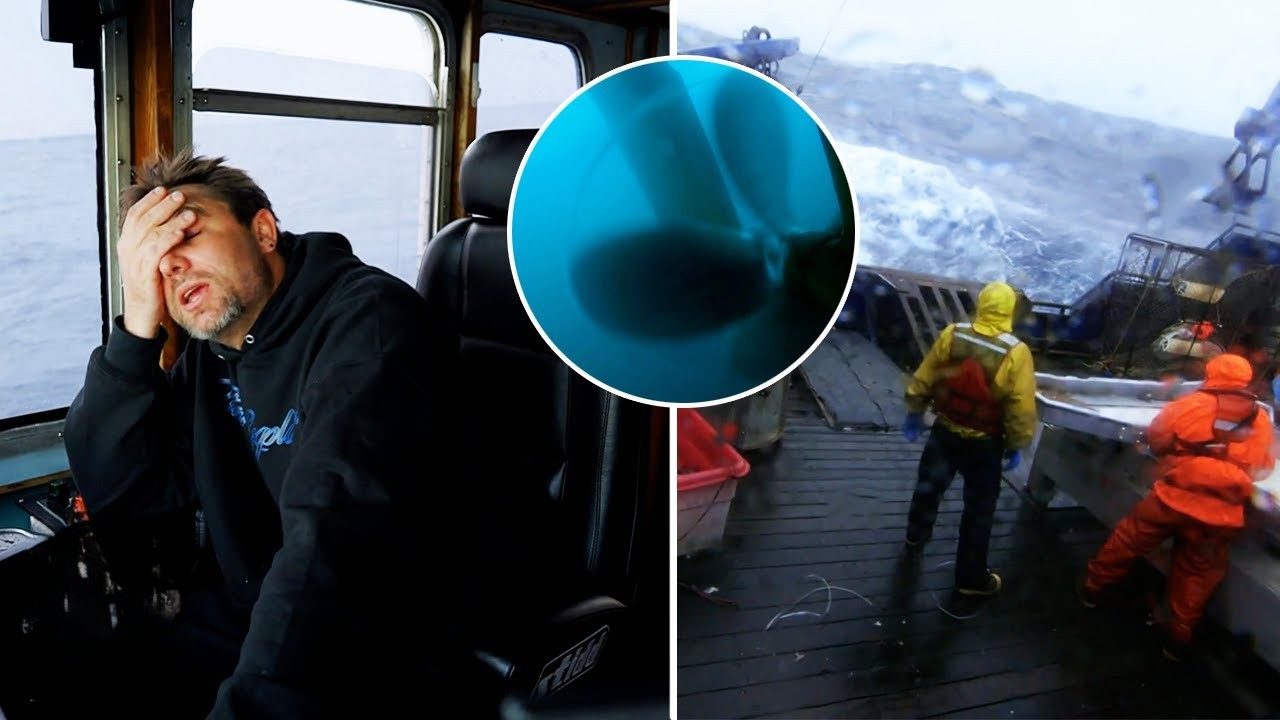
In the unforgiving expanse of the Bering Sea, where winter storms turn routine fishing trips into life-or-death gambles, Captain Jake Anderson of the Titan Explorer faced a perfect storm of challenges on his first string of the season. Battered by 50 to 55-knot winds from a relentless low-pressure system—the same one tormenting rival captains like Keith Colburn—Anderson pushed his crew to the brink in pursuit of a lucrative crab haul that could secure his dream of owning the vessel outright.
The drama unfolded on the windswept western Birdie grounds, a notoriously treacherous spot where shallow banks give way to deeper fathoms and unpredictable mud sets. “This is our office today,” Anderson quipped amid the chaos, as massive waves crashed against the hull. Steering through the gale required constant adjustments—squaring up into the swells to minimize the bone-jarring ride for his team.
Anderson’s goal was clear: an average of 50 crabs per pot to stay on track for his boat purchase. With time ticking and competitors closing in, he declared, “If I can get this and I can get it quick, I’ll have almost enough money to buy this boat.” But the sea had other plans. As the first pot emerged, the count was dismal—initial hauls yielding just 12, 9, and even 5 crabs. “There’s crab in it, but it doesn’t look like much,” one crew member lamented. Anderson’s frustration boiled over: “This string is as bad as the goddamn weather.”
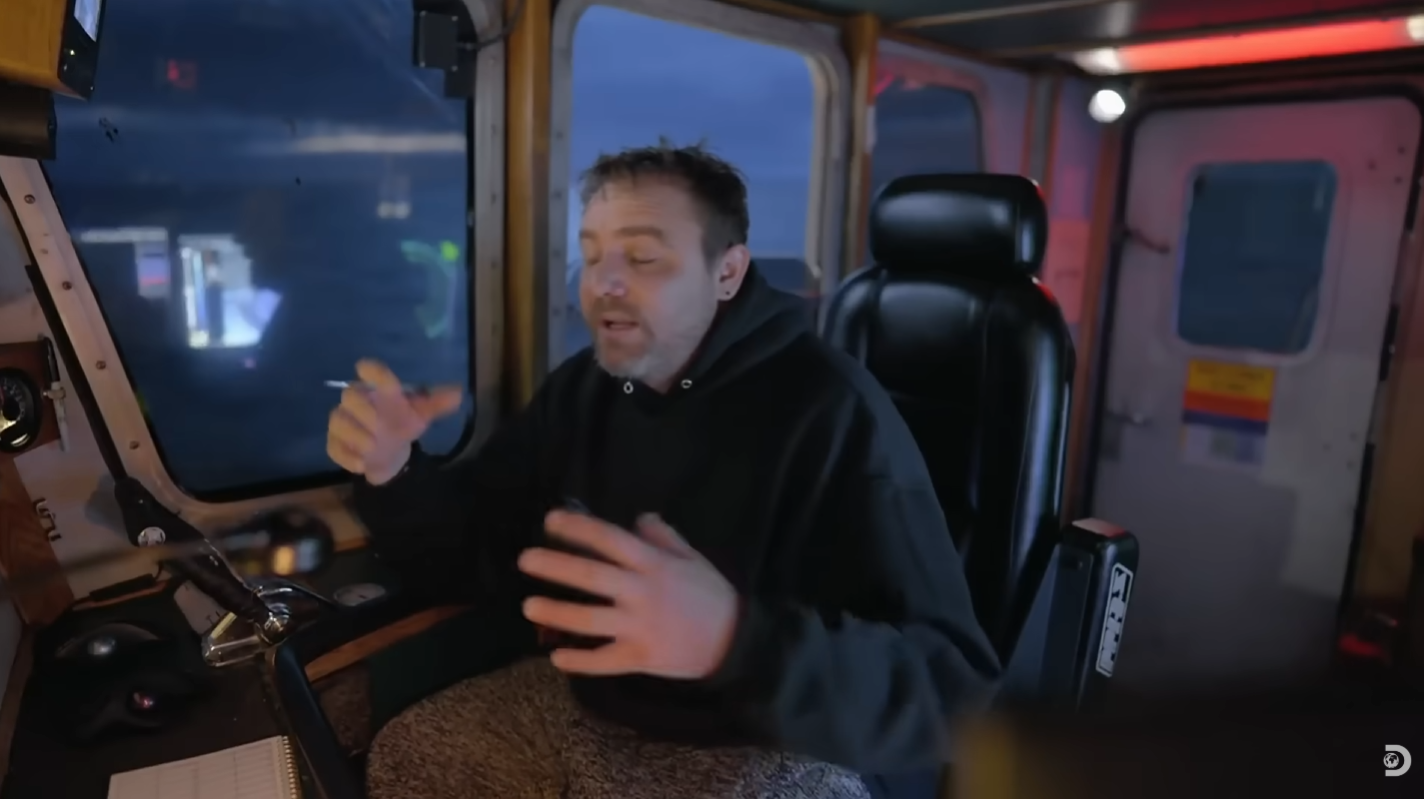
Compounding the misery, a critical mechanical failure struck mid-operation. The port-side steering malfunctioned, leaving the boat capable only of right turns. “Got starboard, but I got no port. You can only turn right,” Anderson radioed urgently. Crew member Felipe was dispatched to the engine room, diagnosing a burned solenoid in the porcelain—likely a hydraulic component issue. Repair estimates? “Two or three hours, dude.”
With no time to waste, Anderson improvised. Unable to send signals to the left-turn hydraulic pumps, he opted for a risky strategy: looping the boat in right-hand circles to approach each pot. This exposed the starboard rail—and his crew—to punishing 20-foot waves from the south. “We have to drift. We can’t stop,” he said, but pressed on. “I’m going to actually try to just turn to the starboard and do circles if we can haul gear with half our steering.”
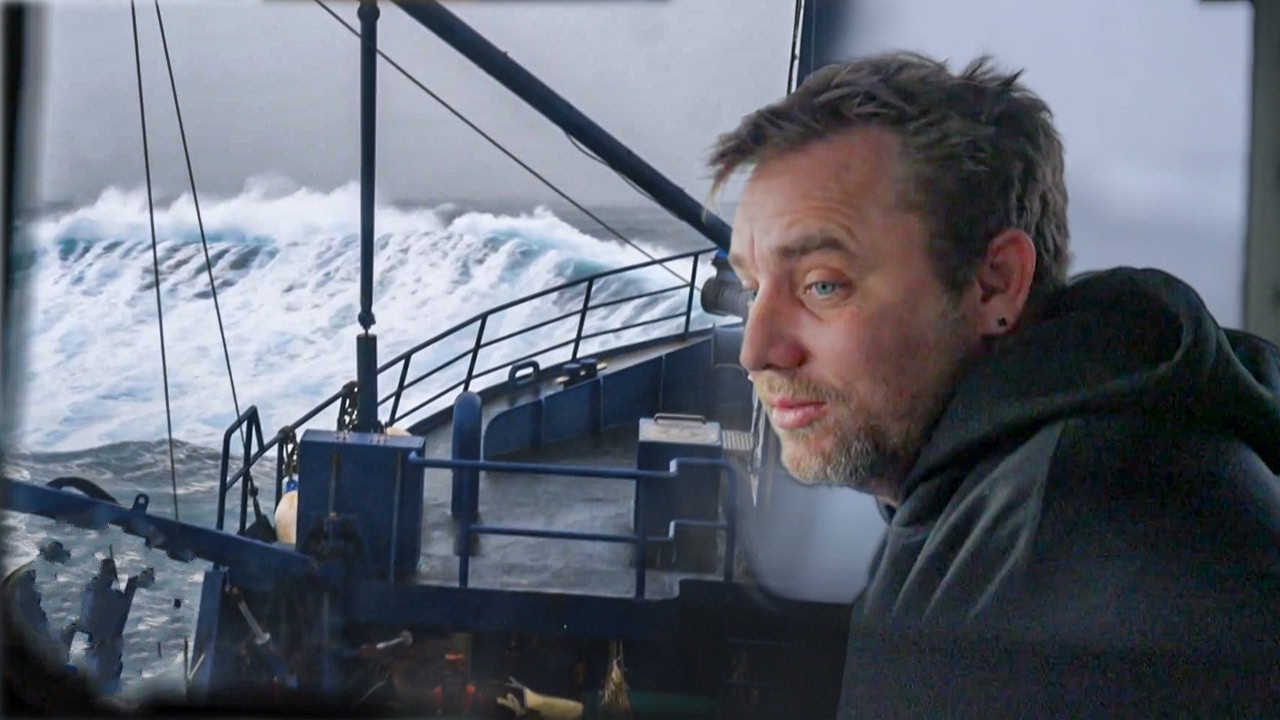
As swells hammered the deck—”Woohoo! What the… They can’t turn it on. God damn it. Hang on!”—the team scrambled. “Watch out! Watch out!” echoed across the ship. Undeterred, Anderson urged his men: “Let’s go, baby. Let’s go catch some crab. DO IT, BOY.” Spotting a buoy in the distance, he maneuvered despite the odds: “I’m way too far from the buoy. I shouldn’t do this. We got it. I got this.”
Felipe’s repairs loomed as a beacon of hope, but Anderson knew the clock was against him. “I don’t have a couple hours,” he admitted, vowing to “work through it no matter what.” With the stack needing relocation amid the storm, the captain remained at the mercy of the sea, his resolve unbroken.
This incident underscores the perilous reality of Alaskan king crab fishing, where mechanical woes and Mother Nature conspire against even the most seasoned captains. As Anderson fights to salvage the season, industry watchers wonder if this haul will tip the scales toward his ownership ambitions—or send them adrift.
