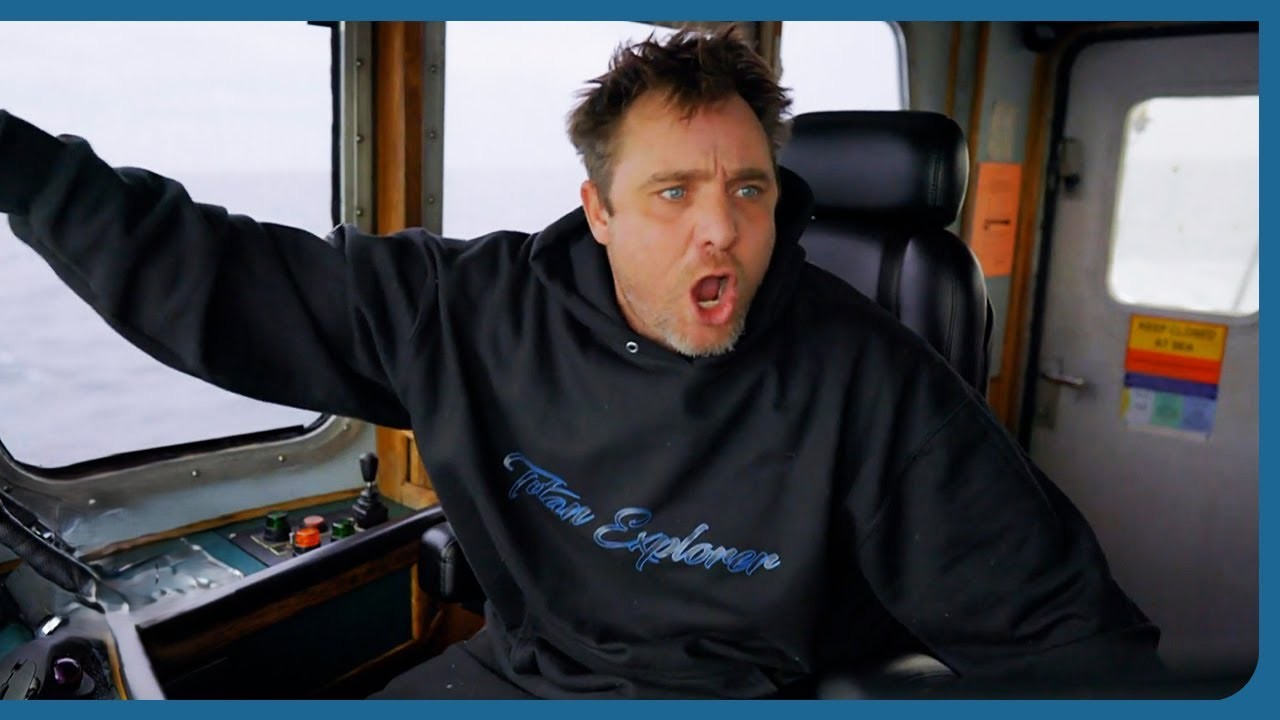
Captain Jake Anderson has laid bare the intense physical and emotional strain of life at sea after a critical mechanical issue aboard the Titan Explorer threatened to derail one of the most important crab seasons of his career.
Operating in the remote and unforgiving waters of the Baradai fishery, Anderson entered the season with a rare advantage: a four-day head start on the rest of the fleet. The opportunity carried enormous promise — and equally enormous responsibility. At stake was a fleet-leading crab quota valued at approximately $3 million, representing nearly 400,000 pounds of catch that would define the success or failure of the entire operation.
“This is the hardest crab to fish for,” Anderson said as the season opened. “They don’t school up. You have to stay on them constantly. There’s no time to rest.”
Determined to capitalise on the early opening, Anderson deployed an aggressive prospecting strategy, setting a long string of pots — known as “fangs” — designed to cover ground quickly and locate crab concentrations ahead of competitors. With 150 pots stacked on deck and rough seas rolling beneath the vessel, the pace was relentless from the outset.
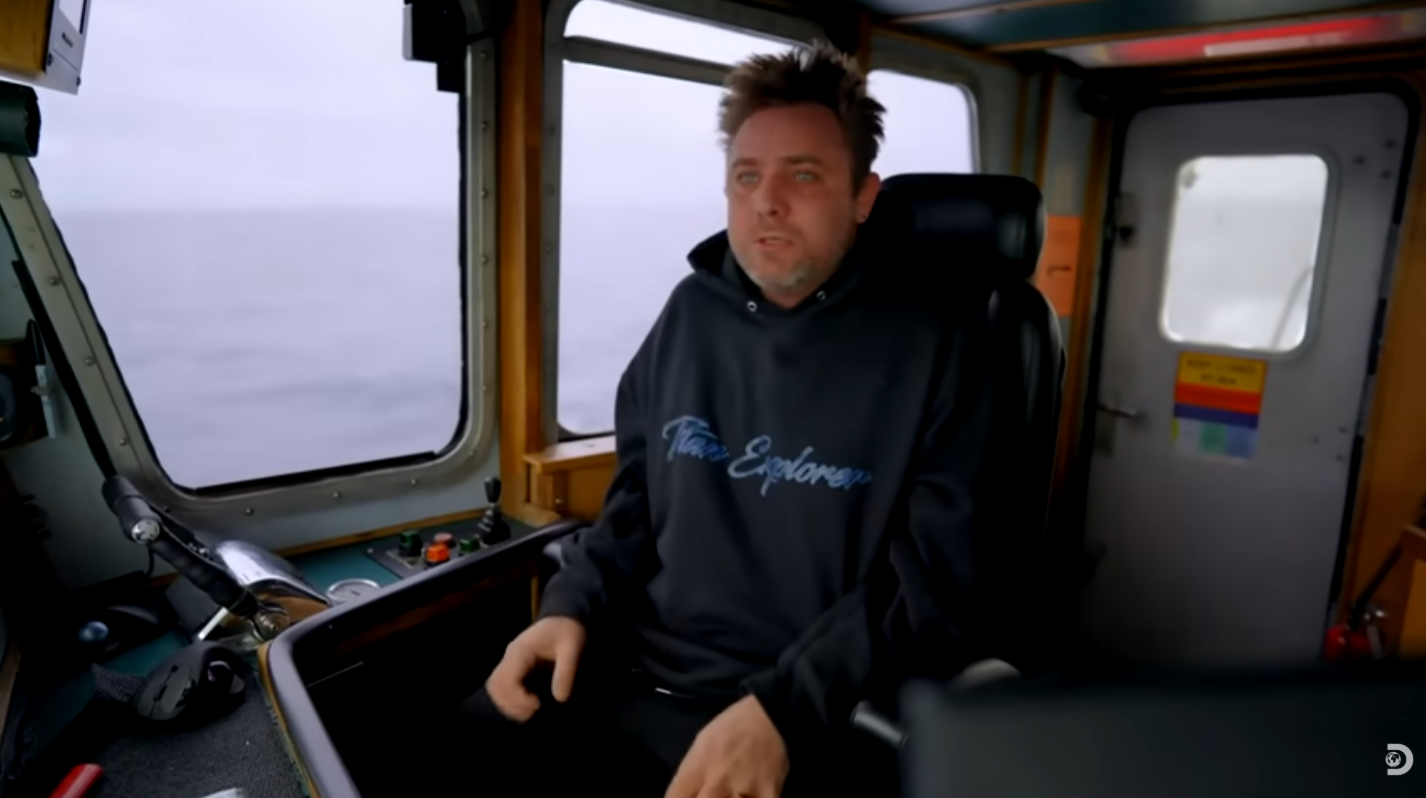
The pressure intensified when the crew encountered heavy waves that tested both equipment and nerves. Then came the moment that shifted everything.
Chief engineer Felipe reported water entering the vessel’s day tank — the fuel source that feeds the engines while the boat is underway. The implication was immediate and serious. Contaminated fuel can damage engines, force a shutdown, and potentially end a season outright.
“There’s only one place that water can come from,” Anderson said grimly. “Outside.”
Felipe descended below deck, navigating a tight network of pipes and machinery, draining water from the centrifuge in an attempt to keep the engines running while searching for the source of the leak. The work was slow, difficult, and carried out under constant pressure as the boat continued to pound through rough seas.
“If we don’t find a fix,” Anderson admitted, “worst case scenario is we ruin the engines and lose everything.”
As the situation dragged on, the cost of delay became impossible to ignore. Every hour spent troubleshooting meant falling further behind the fleet Anderson had worked so hard to outrun. Eventually, the captain made the call no fisherman wants to make: pull gear and head back to town.
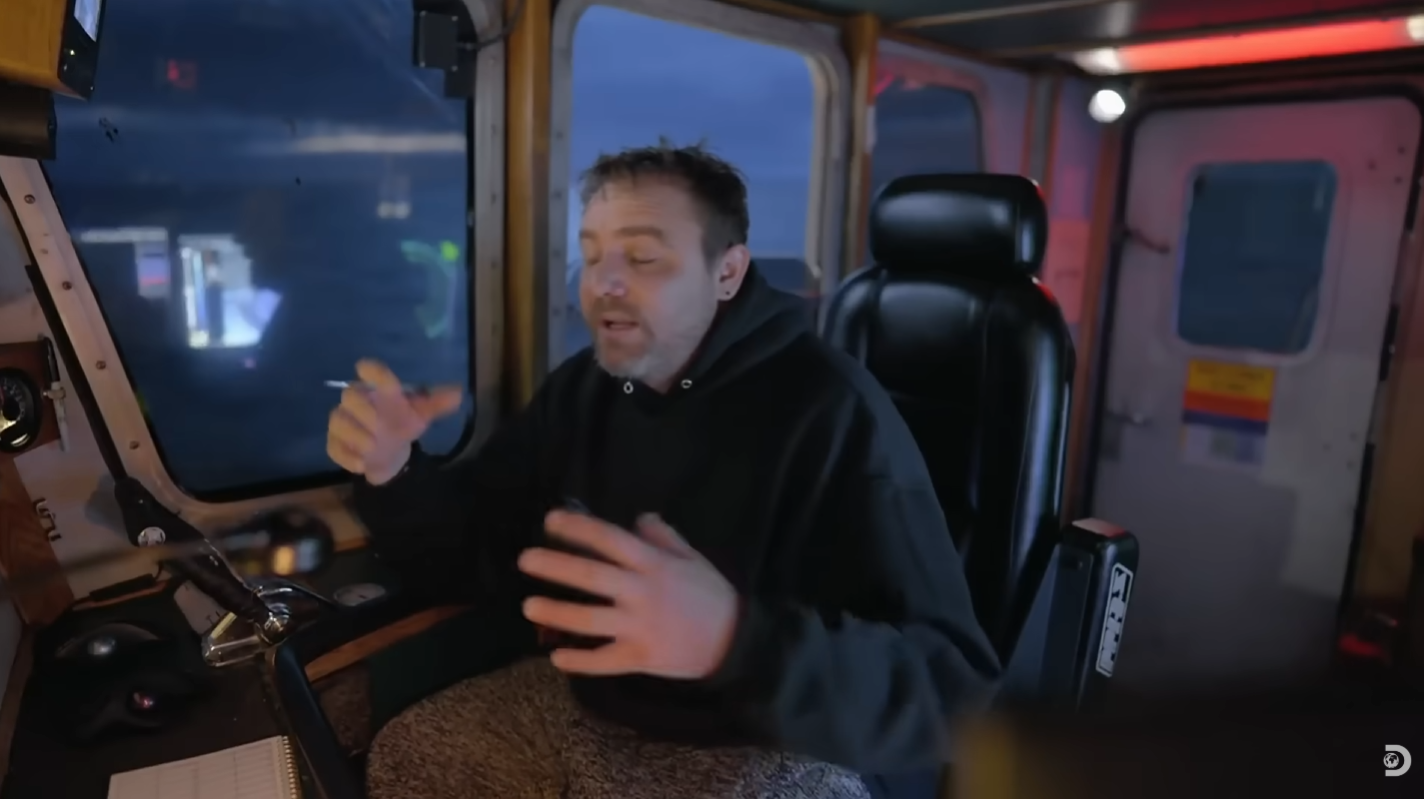
The decision meant surrendering his hard-won advantage and accepting that the season would now be fought from behind.
Emotionally exhausted, Anderson reached out to his partner, Jenna, in a raw phone call that captured the unseen burden of command.
“I’m done,” he said. “I hate this job. There’s so much to do. I can’t haul here. I can’t go home. Four hundred thousand pounds sits over my head because that’s what I do.”
Jenna listened as Anderson vented his frustration, anger, and fatigue, reminding him that the sacrifices he makes do not go unnoticed.
“All the pain and suffering and sacrifices you go through — they matter,” she told him. “You’re not alone in this.”
For Anderson, the moment marked more than a single setback. It was the culmination of a season already shaped by harsh weather, mechanical trouble, and constant strain. At one point, he openly questioned whether he could continue.
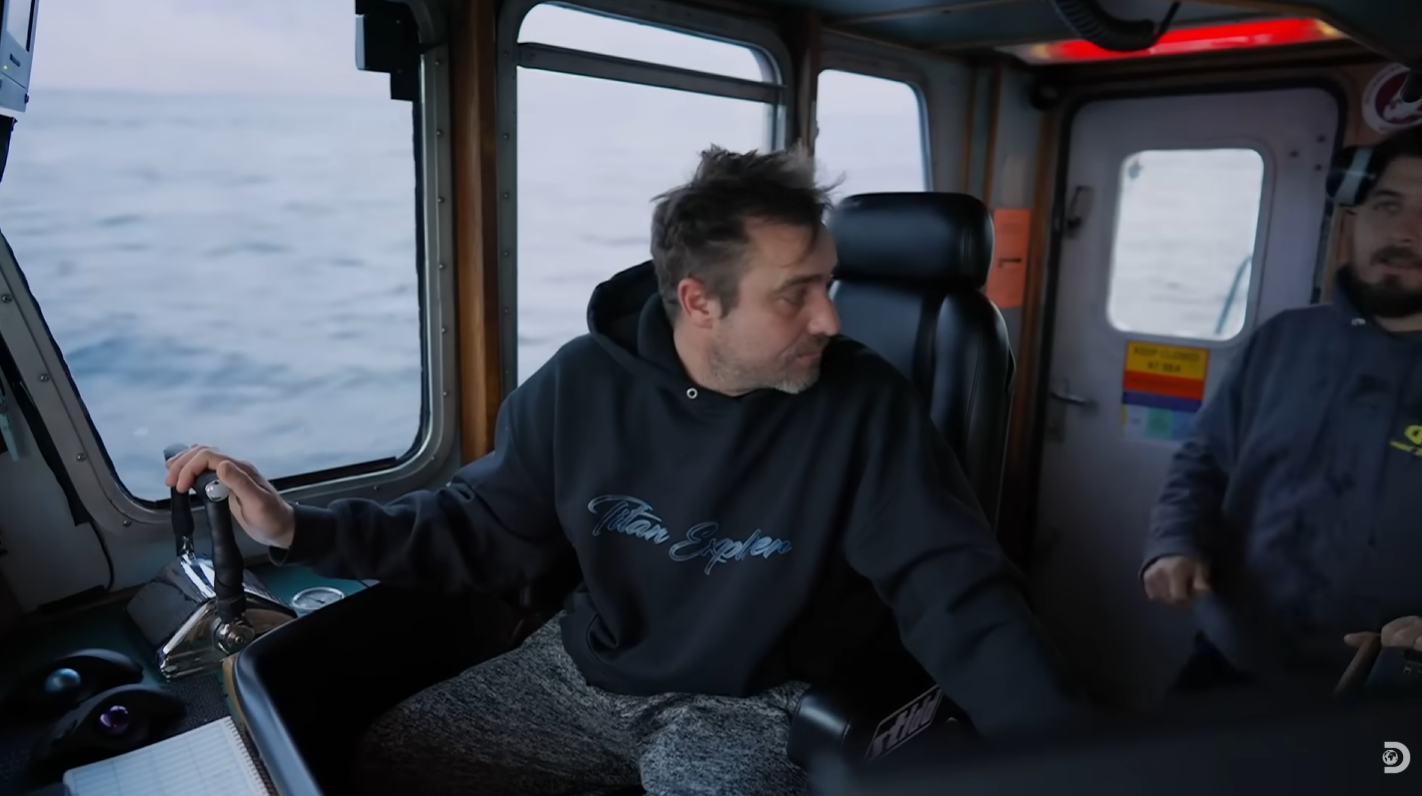
“I can’t deal with this anymore,” he said. “I’m so mad.”
Yet even in that moment of vulnerability, resolve remained. After ending the call, Anderson reflected on the reality of the job and the toll it had taken.
“This season has been rough,” he said. “We’ve fought weather, mechanical issues, everything you can think of. I’ve been having a hard time for a while now. I need to get into town, get some kind of help, and keep moving forward.”
The incident offers a stark reminder of what life in the commercial fishing industry truly entails. Behind the impressive quotas and high-value catches lie long hours, constant risk, and immense psychological pressure — particularly for those in command, where every decision affects not just profits, but livelihoods.
As the Titan Explorer makes its way back to port, the outcome of Anderson’s season remains uncertain. What is clear, however, is the determination of a captain who, despite setbacks and self-doubt, is still preparing to fight for his crew, his quota, and his place in one of the toughest fisheries in the world.
