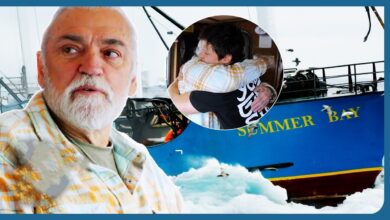
For nearly two decades, Deadliest Catch has captivated audiences worldwide, offering a rare glimpse into the perilous world of Alaskan crab fishing. Premiering on April 12, 2005, on the Discovery Channel, the series quickly became a cultural phenomenon, praised for its unflinching portrayal of one of the most dangerous professions in the world. But behind the dramatic reels of swinging crab pots and roaring seas lies a story of personal struggles, legal controversies, and human resilience that nearly derailed the beloved reality series.
A Window Into the World’s Deadliest Job
Deadliest Catch follows crab fishermen aboard vessels such as the F/V Northwestern, F/V Time Bandit, and F/V Cornelia Marie, navigating the unforgiving waters of the Bering Sea. Life on deck is a constant battle against nature: gale-force winds, high waves, and the ever-present danger of 900-pound crab pots swinging across the vessel. Injuries are common, and the risk of death looms over every season. According to the Bureau of Labor Statistics, commercial fishing has one of the highest fatality rates among American occupations—141.7 deaths per 100,000 workers in 2006—far surpassing even pilots and loggers. Alaskan crab fishing, in particular, has recorded over 300 fatalities per 100,000 fishermen, mostly due to drowning or hypothermia.
The series does not shy away from these dangers. Cameramen are routinely placed in harm’s way, sometimes narrowly escaping injury themselves. During the first season, a cameraman almost suffered a fatal accident when a swinging crab pot came dangerously close. In another incident, a cameraman fell through an open hatch, breaking three ribs and becoming part of the show’s behind-the-scenes lore.
The Human Drama Onboard
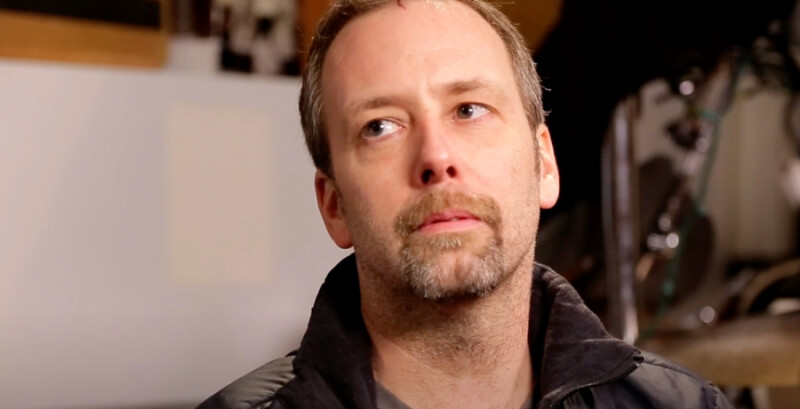
While the sea provides natural drama, Deadliest Catch thrives on human interaction. Captains like Sig Hansen, Jonathan and Andy Hillstrand, and Keith Coburn are often at the center of the series, with rivalries, camaraderie, and family dynamics driving the storylines. From the intense pressure of quota-based fishing under the Individual Fishing Quota (IFQ) system to disputes over crew performance, the show captures both the physical and emotional challenges of life at sea.
One of the most closely watched dynamics has been between brothers Sig and Edgar Hansen aboard the Northwestern. Edgar, known for his reserved yet quick-witted personality, brought a unique balance to the deck, complementing Sig’s more forceful leadership style. However, their relationship was not without tension. On multiple occasions, disagreements over fishing quotas and operational decisions escalated into personal jabs and arguments, revealing the complex balance between family loyalty and professional responsibility.
The Legal Storm: Edgar Hansen
Off-camera, Edgar Hansen became a central figure in a controversy that threatened to overshadow the show. Hansen pleaded guilty to sexual misconduct involving a minor in Washington State, receiving a 364-day suspended sentence, fines, and mandatory treatment for sexual deviance. While he faced no jail time, the revelation shocked fans and threatened the public image of Deadliest Catch. According to court documents, the victim, a 16-year-old girl, described lasting trauma from the incident, which occurred in Mount Lake Terrace, Washington.
Despite the legal and social fallout, Hansen remained a fixture on the series for many seasons, though his screen time gradually decreased. His crime sparked debate among viewers about the responsibilities of reality TV productions and the consequences of off-camera behavior on public perception.
Tragedy at Sea: Crew Losses
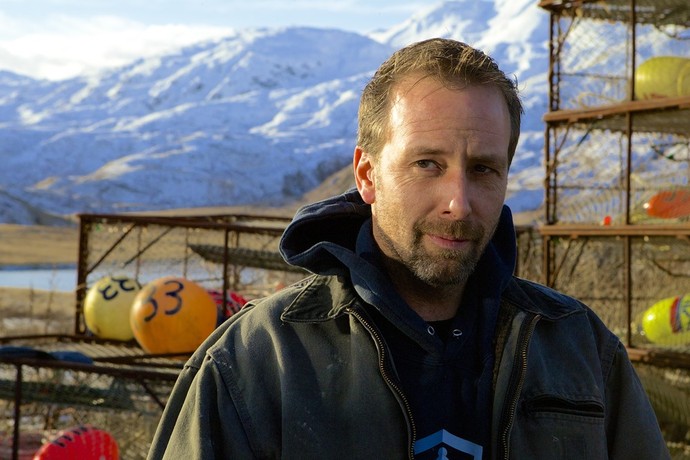
Tragedy struck the Deadliest Catch family multiple times. During the filming of Season 6 aboard the Cornelia Marie, Captain Phil Harris collapsed in his stateroom from a stroke while retrieving medication. Second-year engineer Steve Ward discovered him, and Harris was airlifted to Anchorage for emergency brain surgery. Despite 11 days in the ICU, Harris ultimately passed away, leaving a profound impact on the crew and viewers alike. The show honored him with a New Orleans-style jazz funeral, highlighting the deep familial bonds at the heart of the series.
Other losses include deckhand Justin Tennyson in 2011 and Captain Blake Painter in 2018, both of whom succumbed to substance-related complications. These incidents underscore the physical, emotional, and mental toll of life in commercial fishing, particularly under the relentless pressures of filming a reality series.
Innovation and Authenticity in Filming
The production team behind Deadliest Catch employs sophisticated filming techniques to capture the raw intensity of crab fishing. Each vessel houses a two-person camera crew, supplemented by stationary cameras mounted throughout the ship, underwater cameras, and helicopter-mounted turret cameras. Audio is captured via wireless microphones on fishermen and shotgun microphones on cameras, allowing the crew to document both the high-seas drama and the personal stories of the fishermen.
Unlike most reality shows, Deadliest Catch has no on-camera host. Instead, narrators such as Mike Row in North America and Bill Petri in the UK provide commentary, tying together multiple storylines across vessels. This approach allows the focus to remain on the fishermen and their experiences rather than on a presenter, contributing to the show’s sense of authenticity.
The Legacy of Deadliest Catch
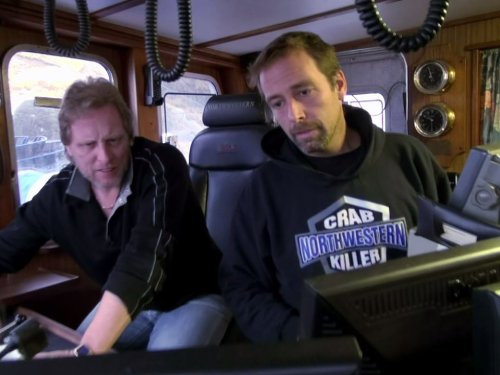
Through its highs and lows, Deadliest Catch has done more than entertain—it has educated viewers about one of the world’s most dangerous occupations and celebrated the resilience of those who risk their lives at sea. The series highlights camaraderie, rivalry, and the intergenerational transfer of knowledge, all set against the backdrop of an unforgiving natural environment.
Despite legal controversies, tragic losses, and on-set challenges, the show remains a touchstone of reality television, offering a unique blend of danger, drama, and human storytelling. For fans, the Hansen family—Sig, Edgar, and the next generation of Northwestern crew members—embody both the triumphs and struggles that make Deadliest Catch so compelling.
Reader Reactions:
Viewers continue to debate the fairness of Edgar Hansen’s legal outcome and the complex relationship between him and Sig. Others praise the series for its honest depiction of human flaws alongside extraordinary feats of courage and endurance. As Deadliest Catch sails into future seasons, it continues to serve as a vivid reminder of the perilous, unpredictable, and profoundly human world of Alaskan crab fishing.