Deadliest Catch Medical Emergencies Highlight the Extreme Risks Faced by Bering Sea Fishermen

The Bering Sea has long been regarded as one of the most unforgiving workplaces in the world, but the latest set of medical incidents featured on Deadliest Catch provides a stark reminder of just how rapidly routine fishing operations can escalate into life-threatening emergencies. A series of injuries, spanning crushed pelvises to spiral fractures and even suspected strokes, underscored the fragility of human endurance against the backdrop of violent seas, heavy steel machinery and relentless physical strain.
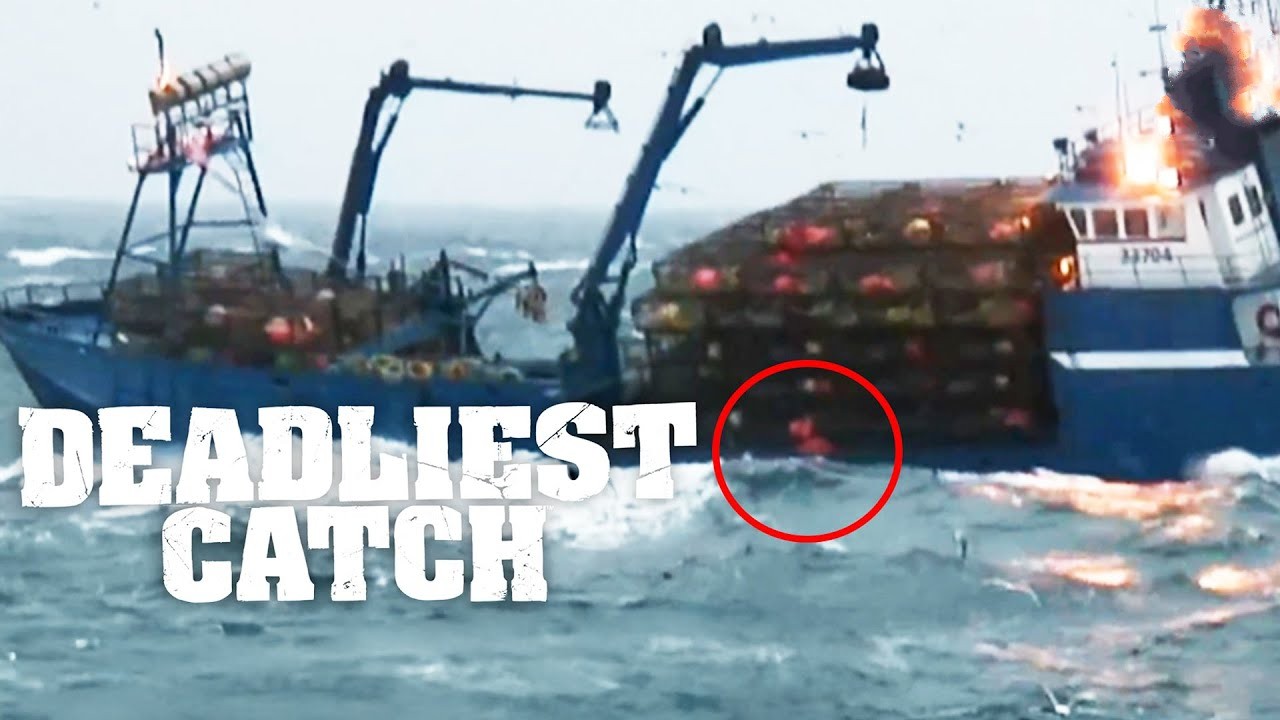
The most severe episode unfolded aboard the Patricia Lee, 228 miles southwest of Dutch Harbor, when a rogue wave overtook the vessel. The surge ejected a 2,000-pound steel crab pot from its ramp, pinning 29-year-old deckhand Francis Katungin against the stack in a devastating impact that left him with suspected pelvic fractures and potential internal bleeding. Crew members initially assumed a broken hip; however, medical commentary noted the possibility of femoral neck or intertrochanteric fractures, both of which carry risks of major blood loss, retroperitoneal hemorrhage, and fat embolism.
For three hours, Katungin endured excruciating pain as the vessel rolled, prompting concerns about both circulatory collapse and arterial injury, particularly to the iliac artery—an injury the programme later confirmed was under evaluation. With high winds battering the helicopter dispatched for extraction, Coast Guard rescuers had only minutes to lower a swimmer to the pitching deck. The hoist operation, performed under intense conditions, ultimately succeeded, and Katungin was transferred for further medical treatment.
But the Patricia Lee’s ordeal did not end there. Weeks later, deck boss Mike Vanderveldt suffered the partial amputation of a fingertip after his hand was caught between an 800-pound crab pot and the launcher. With no realistic chance of reattachment, first-aid focused on bleeding control, wound irrigation and infection prevention, particularly given the high risk of osteomyelitis at sea. The injury served as a reminder that even seemingly small contacts with industrial gear can result in permanent damage.
Other vessels featured their own crises. Deckhand Cody Rhodes sustained one of the episode’s most graphic injuries when a falling crab pot shattered both his tibia and fibula in a spiralling fracture, a hallmark of high-force trauma. The injury required immobilisation and eventual surgical stabilisation with internal fixation hardware. Moments such as these highlight the precarious choreography involved in handling thousands of pounds of rolling steel in unpredictable conditions.
A separate incident raised an entirely different set of alarms when a crew member collapsed suddenly, reporting numbness on his left side and loss of sensation in his arm. Initial fears of a heart attack led to requests for aspirin and nitroglycerin—both standard treatments—yet evolving symptoms pointed instead toward a neurological emergency. With blood pressure readings as high as 150/120 and signs of aphasia, medical professionals suspected a transient ischemic attack or early stroke. The episode highlighted major gaps in onboard first aid readiness, including the inability to perform basic pulse checks and the danger of administering aspirin during a potential hemorrhagic stroke. The individual later recovered and returned the following season.
Additional medical cases ranged from nasal fractures caused by rebounding steel cages to severe finger mutilations in machinery, avulsed toenails requiring drainage of subungual hematomas, and infected follicles necessitating incision and drainage. While the severity varied, each incident underscored the brutal demands placed upon fishermen navigating one of the world’s most extreme commercial environments.
What emerges from this series of crises is a portrait of a workforce operating at the edge of human tolerance. Every shift demands sustained physical exertion, rapid decision-making and constant vigilance—yet even the most experienced deckhands remain only one misstep or stray wave away from catastrophe. For the crews featured on Deadliest Catch, the line between survival and disaster is measured not in miles or minutes, but in the violent heartbeat of the sea beneath them.