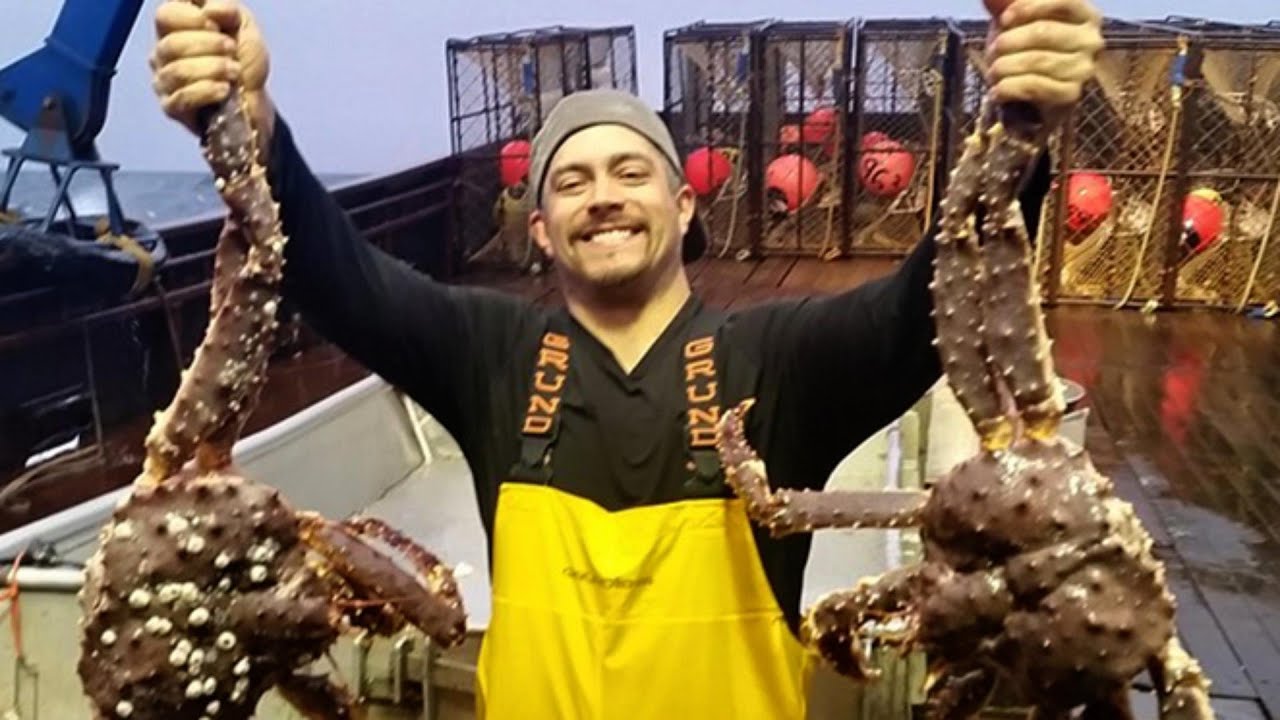
In the unforgiving waters of the Bering Sea, crab fishing isn’t just a job—it’s a high-stakes gamble where lives hang in the balance, and fortunes can be made or lost with the turn of the tide. For the intrepid captains and deckhands featured on Discovery’s long-running reality series Deadliest Catch, the profession embodies the ultimate blend of danger, determination, and potential reward. Over the show’s two decades on air, various stars have pulled back the curtain on their earnings, revealing a compensation structure that’s as unpredictable as the stormy seas they navigate. While the financial upside can be substantial, it’s always tempered by the inherent risks of one of the world’s most hazardous occupations.
The pay system in Alaskan crab fishing is far from a traditional salary model. Instead, it’s performance-based, tied directly to the success of the haul. “It varies year to year,” explained Captain Kenny Ripka in a 2016 interview with People magazine. “We don’t get paid a wage or a salary. We get paid on what we catch and what we deliver.” This share-of-the-catch approach means that everyone on board—from the captain down to the greenest deckhand—has skin in the game. In bountiful seasons, when crab pots overflow with king or opilio crab, the payouts can soar. Ripka elaborated that as a captain, he’s seen years where his earnings climbed “upwards of $150,000 to $170,000,” a figure that reflects not just his leadership role but also his ownership stake in the vessel and the operation.

Deckhand salaries, while typically lower, can still provide a significant windfall for the grueling work involved. Ripka noted that entry-level crew members might pocket “anywhere from $15,000 to $50,000 for a couple months of work.” His brother, Gary Ripka, provided more specifics from the 2016 season, sharing that his deckhands earned around $30,000 for just “five, six weeks” at sea. These figures highlight the intensity of the job: short bursts of round-the-clock labor in freezing conditions, hauling heavy pots, sorting crab, and battling massive waves. For many, the allure lies in the potential for quick, life-changing money—enough to pay off debts, buy homes, or fund time off during the off-season.
Some seasons, however, deliver truly extraordinary results, as shared by other prominent figures from the show. Captain Jake Anderson, who has risen through the ranks from deckhand to skipper of the Saga, recounted a particularly lucrative run in a 2018 Fox Business interview. “I grossed $2.5 million in 11 days,” he revealed, underscoring how a hot streak of fishing can compress immense wealth into a remarkably short timeframe. While this figure likely represents the boat’s total gross revenue before deductions and shares, it illustrates the explosive potential when conditions align—abundant crab stocks, favorable weather, and efficient operations. Similarly, Captain Josh Harris, known for his time on the Cornelia Marie, painted an even more dramatic picture, stating that captains could rake in “$2 million in just two days” if the catch is exceptional. Such windfalls are the stuff of legend in the industry, fueling the dreams of those who brave the Bering Sea year after year.

On average, though, captains on Deadliest Catch can expect to earn between $150,000 and $200,000 per season, according to industry insights. This base income often comes from their share of the catch, supplemented by profits from boat ownership. Million-dollar hauls are outliers, dependent on factors like quota allocations, market prices for crab (which fluctuate based on global demand), and the sheer luck of locating prime fishing grounds. For deckhands, earnings can climb higher in banner years, sometimes exceeding $100,000 for seasoned crew, but they bear the brunt of the physical toll without the same level of ownership perks.
Beyond the fishing income, the stars of Deadliest Catch receive additional compensation for their on-screen appearances, adding a lucrative layer to their overall earnings. Reports indicate that captains are paid between $25,000 and $50,000 per episode, a tidy sum considering seasons often span 10 to 20 episodes. This TV stipend not only boosts their bank accounts but also helps offset the downtime when fishing seasons are curtailed. Deckhands may earn less for their screen time—typically a few thousand per episode—but the exposure can lead to endorsements, speaking gigs, or even spin-off opportunities, further enhancing their financial prospects.
Yet, these impressive paychecks come at a steep price. Crab fishing ranks among the deadliest jobs in America, with fatality rates far exceeding those of other professions. The Bering Sea’s treacherous conditions—rogue waves, ice buildup on vessels, mechanical failures, and exhaustion from sleep-deprived shifts—have claimed numerous lives over the years, including those documented on the show. Several Deadliest Catch alumni have endured severe health scares, from heart attacks and strokes to injuries like broken bones or hypothermia. Captain Phil Harris famously suffered a massive stroke on camera in 2010, passing away shortly after, while others like Sig Hansen have battled heart issues mid-season.

The industry’s volatility adds another layer of uncertainty. Seasons aren’t guaranteed, as environmental factors, regulatory changes, and stock assessments can lead to closures. Captain Sig Hansen, the stoic leader of the Northwestern, highlighted this in an interview with Channel Guide: “We’ve had king crab season shut down for three, sometimes four years in a row. And when your income relies on getting that boat out there, there is no retirement plan, so to speak. You don’t know from one year to the next if you’re even going to go fishing to make a living.” Climate change exacerbates these issues, with warming waters affecting crab populations and migration patterns, forcing fishermen to venture farther into perilous territories. Quotas set by the Alaska Department of Fish and Game aim to sustain the fishery but can slash potential earnings overnight.
Despite these challenges, the camaraderie, adrenaline, and tradition keep many in the game. The show itself has spotlighted the human element—the family dynasties like the Hansens and Beetles (from the spin-off Deadliest Catch: Dungeon Cove)—and the raw resilience required to thrive. For viewers, Deadliest Catch offers a vicarious thrill, blending edge-of-your-seat action with heartfelt stories of triumph and tragedy.
As the series continues to captivate audiences, fans can tune in to the ongoing adventures. Deadliest Catch Season 21 premiered on Friday, August 1, 2025, at 8/7c on Discovery, marking a shift to Friday nights and promising more intense Bering Sea drama. With veteran captains facing new obstacles and rookies testing their mettle, the season explores evolving threats like intensified storms and shifting crab habitats, all while chasing those elusive hauls that could turn peril into prosperity. Whether you’re a longtime fan or a newcomer, the show remains a testament to the enduring spirit of those who risk it all for the catch of a lifetime.
