
Working as a crab fisherman on Deadliest Catch can bring substantial financial rewards, but those earnings are closely tied to unpredictable conditions at sea and an industry that offers little long-term security.
Over the years, several figures associated with the long-running Discovery series have spoken openly about how income in crab fishing fluctuates from season to season. Unlike salaried work, payment is based largely on the size and value of the catch delivered.
“It varies year to year,” Kenny Ripka explained in a 2016 interview. “We don’t get paid a wage or a salary. We get paid on what we catch and what we deliver.”
Ripka said that during strong seasons he earned between $150,000 and $170,000 annually as a captain. Deckhands, meanwhile, can take home anywhere from $15,000 to $50,000 for a few months of work, depending on catch size and market prices. His brother, Gary Ripka, added that in one season his deckhands earned around $30,000 for just five to six weeks on the water.
For captains running successful operations, earnings can rise significantly. Jake Anderson revealed in a 2018 interview that during a particularly strong run he grossed $2.5 million over an 11-day period. Josh Harris has also noted that in exceptional circumstances, captains can generate multi-million-dollar returns in a matter of days when conditions align.
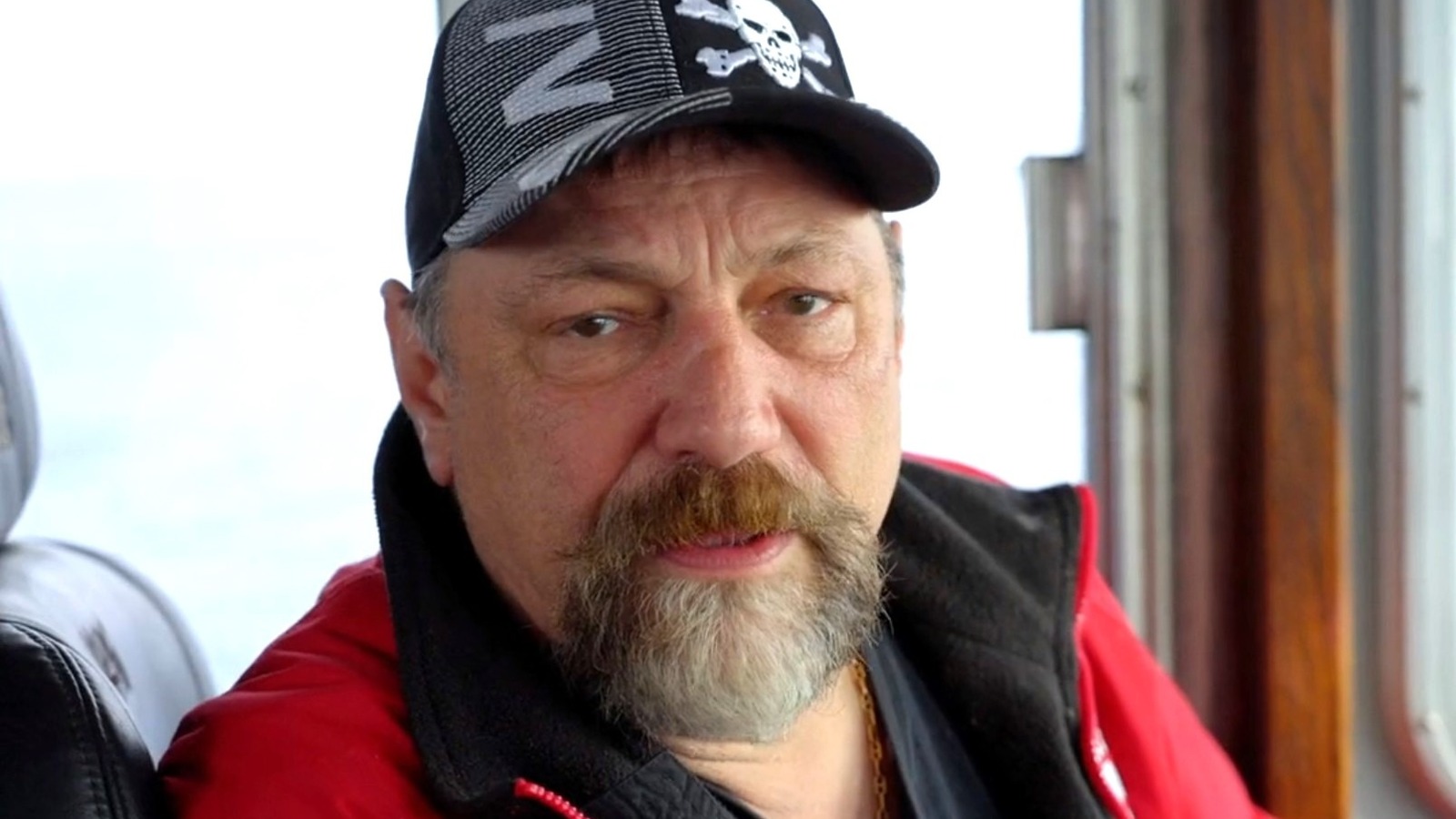
Such results, however, are far from guaranteed. While standout seasons can bring in hundreds of thousands of dollars, or more, many fishermen experience leaner years when quotas are reduced or seasons are cancelled entirely.
In addition to fishing income, the show’s most recognisable faces receive separate payments for appearing on television. Industry reports suggest that captains featured on Deadliest Catch earn between $25,000 and $50,000 per episode, reflecting both their on-screen presence and the series’ long-running popularity.
Despite these figures, veterans of the industry consistently stress that the financial upside comes with significant uncertainty. Crab fishing is physically demanding and subject to strict regulation, volatile market prices and changing environmental conditions.
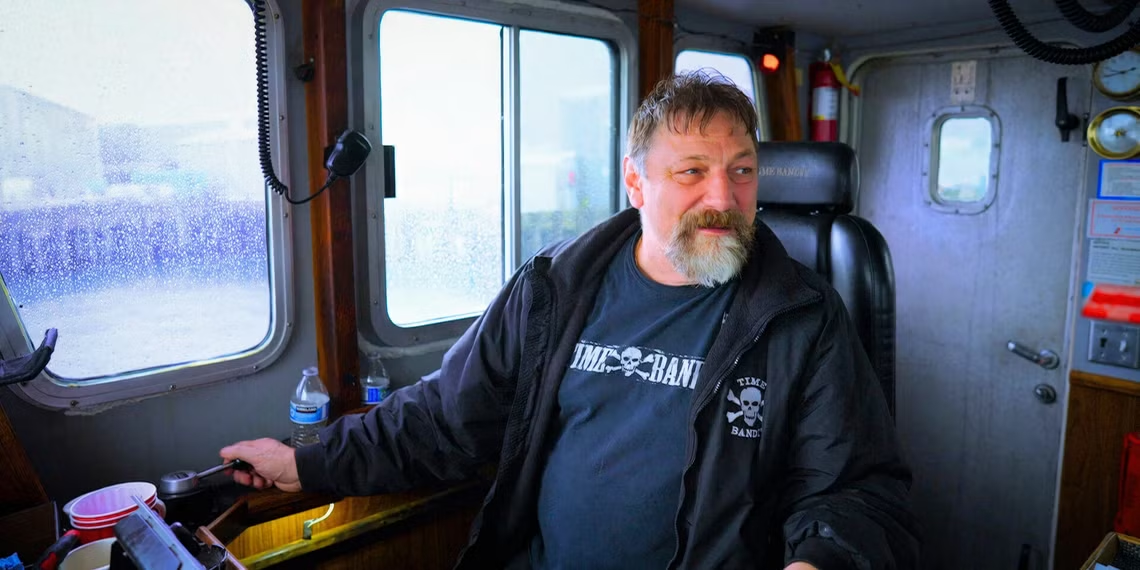
“We’ve had king crab seasons shut down for three, sometimes four years in a row,” said Sig Hansen. “When your income depends on getting the boat out there, there’s no real safety net. You don’t know from one year to the next if you’ll even be fishing.”
That lack of predictability makes long-term planning difficult, even for established captains. Equipment costs remain high, maintenance is constant, and crews are only paid when fishing is allowed and successful.
As Deadliest Catch prepares to return for its 21st season, the programme continues to highlight both sides of the profession: the possibility of substantial short-term earnings and the ongoing uncertainty that defines life in one of the world’s most demanding fisheries.
Deadliest Catch returns with its season 21 premiere on Friday, August 1, at 8/7c on Discovery Channel.
