Frozen Chaos in the Bering Sea: Crab Boats Clash with Relentless Ice Walls This Opilio Season

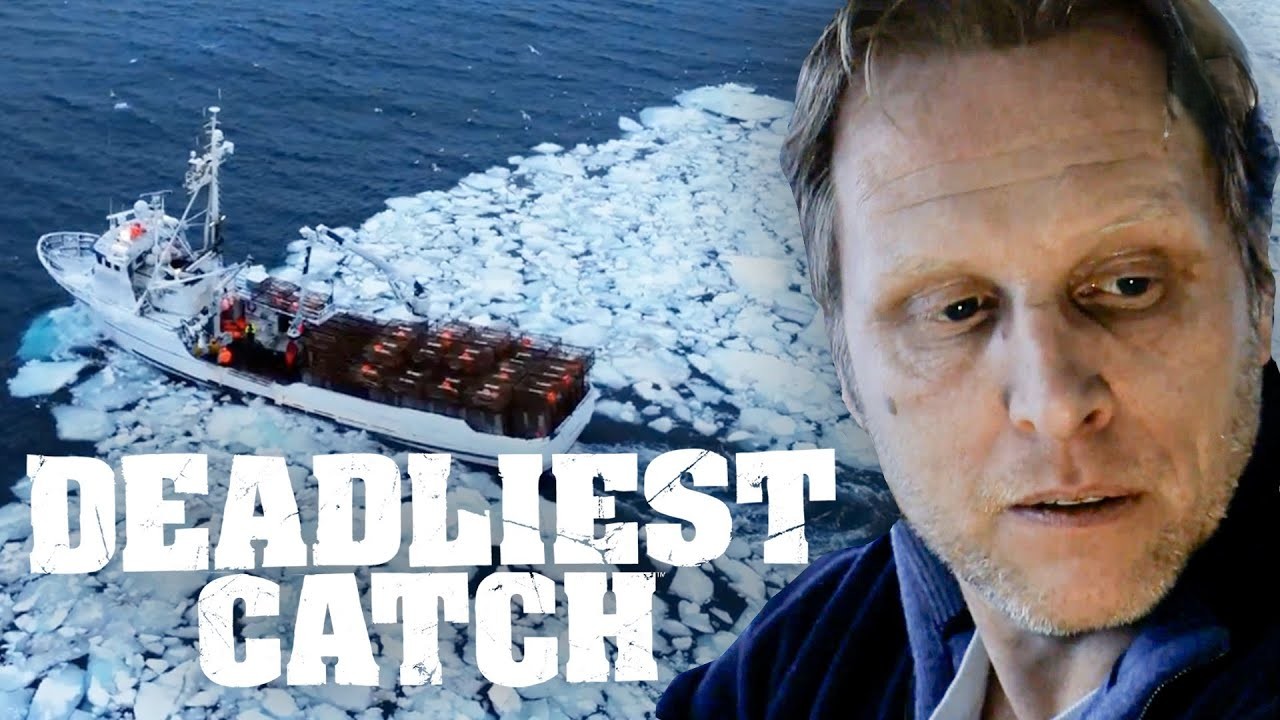
BERING SEA, Alaska — In the unforgiving grip of the Arctic winter, the crab fishing fleet featured on Deadliest Catch is locked in a high-stakes battle against a rapidly advancing ice pack that’s swallowing gear, crippling boats, and pushing crews to their physical limits. As temperatures plummet below zero and winds howl at gale force, captains like Sig Hansen, Andy Hillstrand, and Wild Bill Wichrowski are racing against time to salvage pots, offload hauls, and escape the frozen jaws of the sea. What started as a promising Opilio season has devolved into a survival saga, with the 250,000-square-mile ice monster threatening to shut down operations entirely.
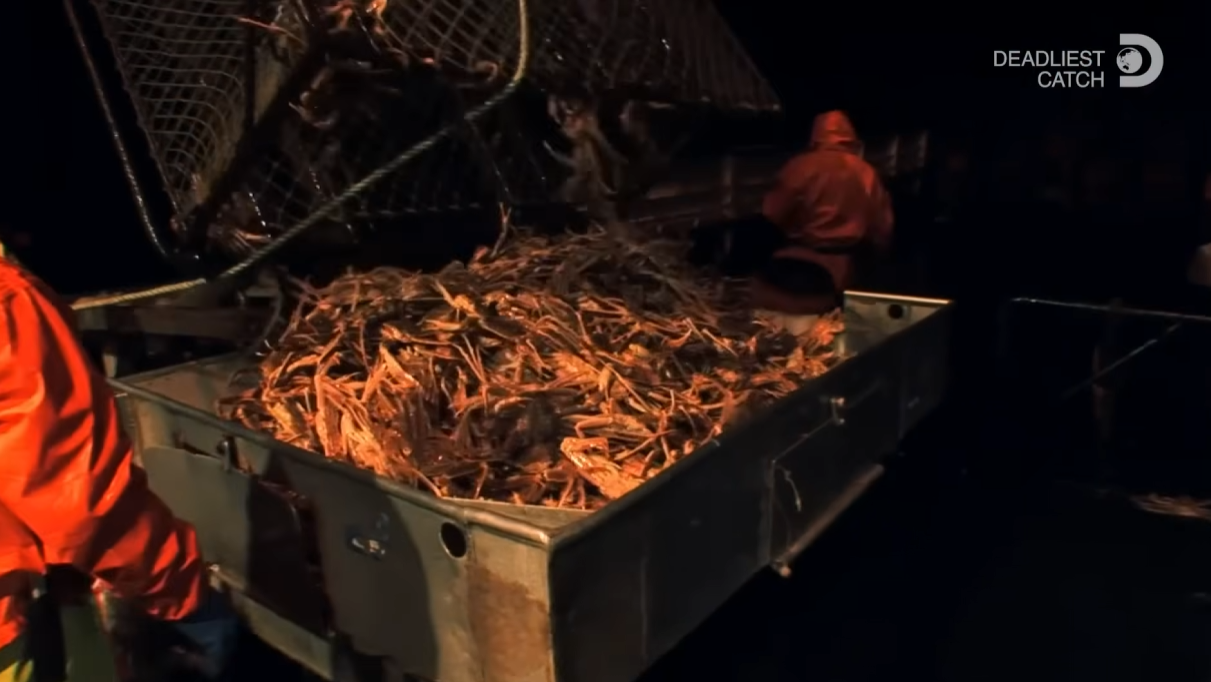
Captain Sig Hansen of the Northwestern, a veteran of these treacherous waters, found himself pleading for divine intervention as his 60 pots—set perilously close to the ice edge—were buried under advancing flows. “Oh Lord, please dear Lord, let us get these pots,” Hansen implored, as slivers of ice signaled the main pack’s imminent arrival. Towering “box cars”—icebergs 8 to 10 feet tall—loomed on the horizon, capable of destroying gear or even boats. After a grueling 14-hour effort, Hansen’s crew managed to retrieve the pots, yielding impressive hauls of clean crab, but not without peril. “We’re on them. I know there’s crab around. It’s just getting him out of the water,” Hansen said, as his team threaded hooks through dense ice to snag buoys dragged miles off course.
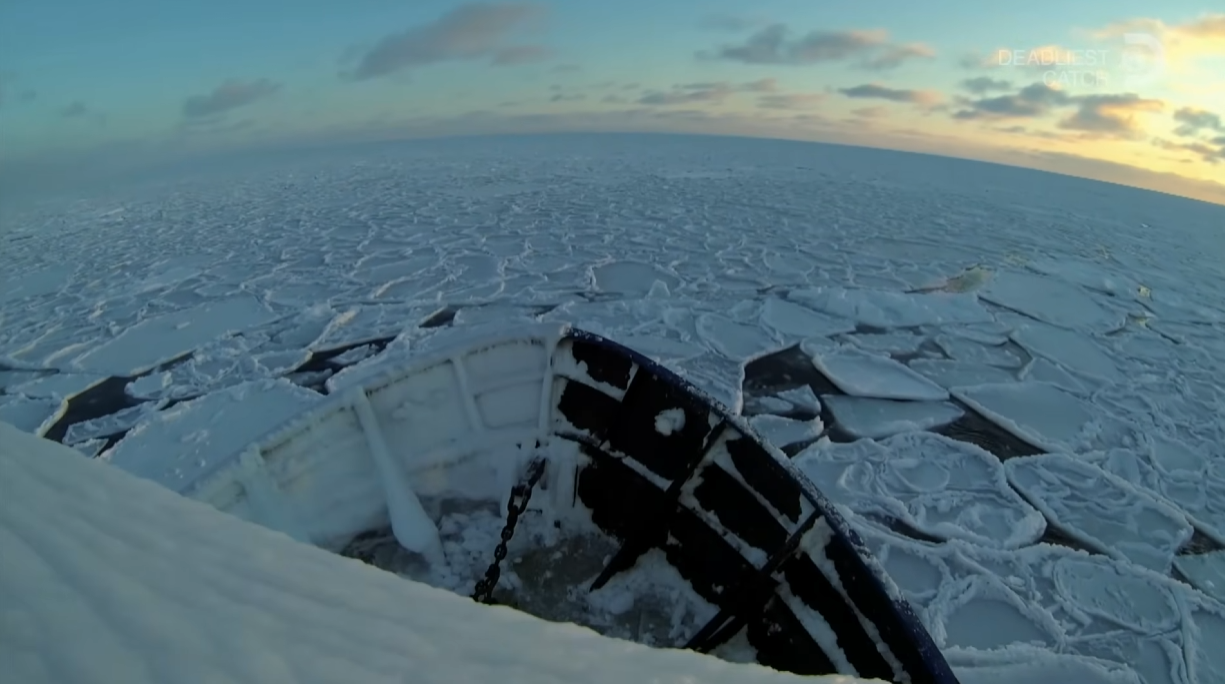
The ice’s relentless march south—at rates up to 30 miles in 24 hours—has forced strategic gambles across the fleet. Captain Andy Hillstrand on the Time Bandit powered down amid 19-foot seas and 30-knot winds to bash away 10,000 pounds of accumulated ice, turning his crew into “cold frozen popsicles” teetering on hypothermia. “Guys are already in the first stage of hypothermia. So you go into denial mode and then you just accept it,” Hillstrand explained, as deckhands hacked at the buildup in -22°F wind chill. After a marathon session, the boat was cleared, but fatigue set in after 47 straight hours of grinding. Hillstrand’s northern pots, just five miles from the pack, were yanked and reset amid encroaching flows, with the captain admitting, “The ice pack always wins.”
In St. Paul Harbor, the ice turned routine offloads into nightmares. Hansen’s Northwestern offloaded 184,000 pounds of opilio crab but nearly got trapped as the harbor froze solid. “This place is a freaking nightmare,” Hansen lamented, jockeying the 125-foot vessel through 1,000 feet of ice in a tense forward-reverse dance that risked bending rudders and props. “We’re locked. That ice is pushing the bow in,” he said, before finally breaking free. Captain Keith Colburn on the Wizard faced an eight-hour ordeal to dock through foot-thick ice, using the boat as an impromptu breaker. “We’re getting in here about 6 inches at a time,” Colburn noted, anxious to unload 400,000 pounds and race back to threatened gear.
Further afield, Captain Wild Bill Wichrowski confronted ice “as far as the eye can see,” scrambling to rescue 45 pots from the flow. “This is the real deal. It’s upon us,” he warned, as his crew navigated chunks weighing tons that could punch holes in the hull. Deckhand Jason “Rainwater” King battled to hook buoys amid the chaos: “Throw the hook, Jason. Throw the damn hook.” One pot saved per hour underscored the toll, with Wichrowski admitting the ice had him “up against the ropes.”
Even those evading the northern ice weren’t spared. Captain Jake Anderson on the Saga, 80 miles south, shed pots early to shed dangerous top-weight ice in 20-foot waves. “I’m setting for survival. I’m not setting to fish,” Anderson said, opting to hide in St. Paul from the storm rather than risk capsizing.
As the fleet retreats—some booking plane tickets home amid panic—the ice is projected to advance 60 to 75 nautical miles in the next 10 days, potentially covering all grounds. “The ice is winning,” one captain summed up. With crews bone-weary, hands ripped by ice, and boats saran-wrapped against freezing spray, this Opilio season highlights the raw peril of Bering Sea fishing. For fans tuning into Deadliest Catch, it’s edge-of-your-seat drama; for the fishermen, it’s life on the line. As Hansen put it, “Work our ass off, but there’s a goal.” Whether that goal—full tanks and safe harbors—will be reached remains frozen in uncertainty.