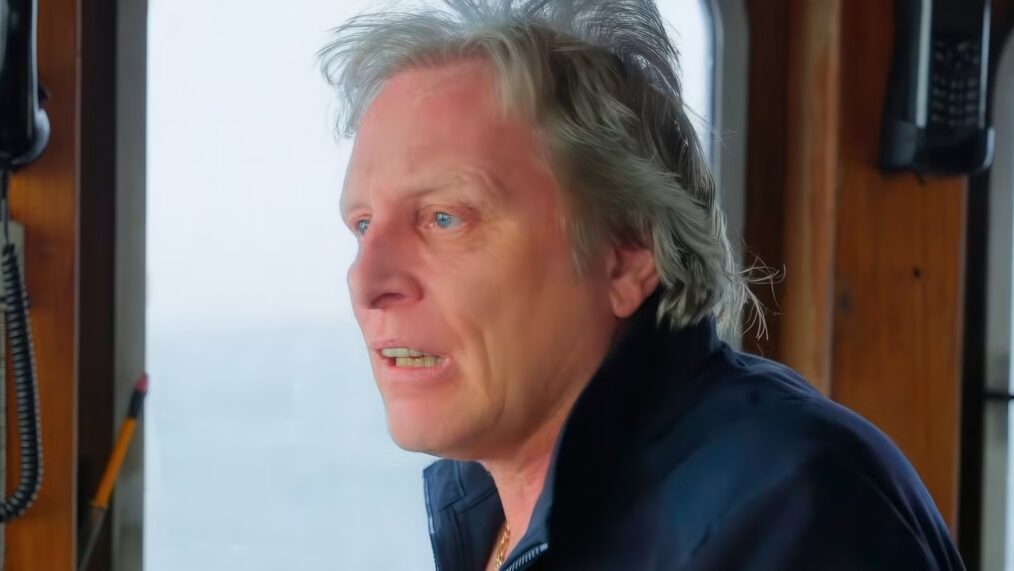
For nearly two decades, Discovery Channel’s Deadliest Catch has plunged viewers into the treacherous world of Alaskan crab fishing, where the Bering Sea’s fury—towering waves, brutal winds, and icy decks—tests the limits of human endurance. As the series sails beyond its 21st season, which wrapped up on October 31 with a dramatic health scare for veteran Captain Sig Hansen, the show continues to highlight not just the high-stakes drama of the hunt for king and snow crab, but the profound personal toll on those who brave the waves.
The Bering Sea, often dubbed one of the deadliest workplaces on Earth, claims lives with unforgiving regularity. Since its 2005 premiere, Deadliest Catch has chronicled real tragedies amid the chaos: from captains suffering heart attacks at sea to crew members lost overboard in rogue waves. The recent Season 21 finale underscored this reality, with Captain Keith Colburn requiring medical evacuation in Anchorage while his vessel, the Wizard, battled 20-foot seas without steering. Such moments remind audiences that the danger is unscripted, with over 30,000 hours of footage captured each season by intrepid camera crews enduring the same perils as the fishermen.
At the heart of the series are the captains and crews whose stories blend triumph, tragedy, and resilience. Sig Hansen, 59, a fourth-generation Norwegian-American fisherman born in Seattle on April 28, 1966, has been a fixture since the beginning. Taking command of the Northwestern at age 24, Hansen has mentored figures like Jake Anderson and navigated personal health crises, including two heart attacks—one captured on camera. His daughter, Mandy Hansen, has shattered barriers in the male-dominated industry, proving her mettle as a capable deckhand and aspiring captain despite initial skepticism.

Tragedy has shadowed many cast members. The late Captain Phil Harris suffered a fatal stroke in Season 6, insisting cameras keep rolling during his final moments. His sons, Josh and Jake Harris, inherited the Cornelia Marie but faced their own storms: Josh striving to uphold the family legacy amid professional hurdles, while Jake battled addiction, legal troubles, and a public downward spiral. Jake Anderson’s journey is equally poignant—from homelessness and substance abuse to captaining his own vessel—marked by the devastating losses of his sister in Season 5 and his father’s mysterious death a year later.
Other narratives reveal the hidden struggles behind the heroism. Deckhand Joshua “JR” Harris (no relation to the Harris brothers) hid a past as a bank robber, leading to his 2010 arrest and nearly a decade in prison. Captain Elliott Neese departed after addiction issues, only to face drug trafficking charges in 2022. Even the production team hasn’t been spared: Director Joseph McMahon was murdered off-camera, and deckhand Nick Mavar died from a drug overdose, highlighting the mental health crises—PTSD, depression, and isolation—plaguing the industry.
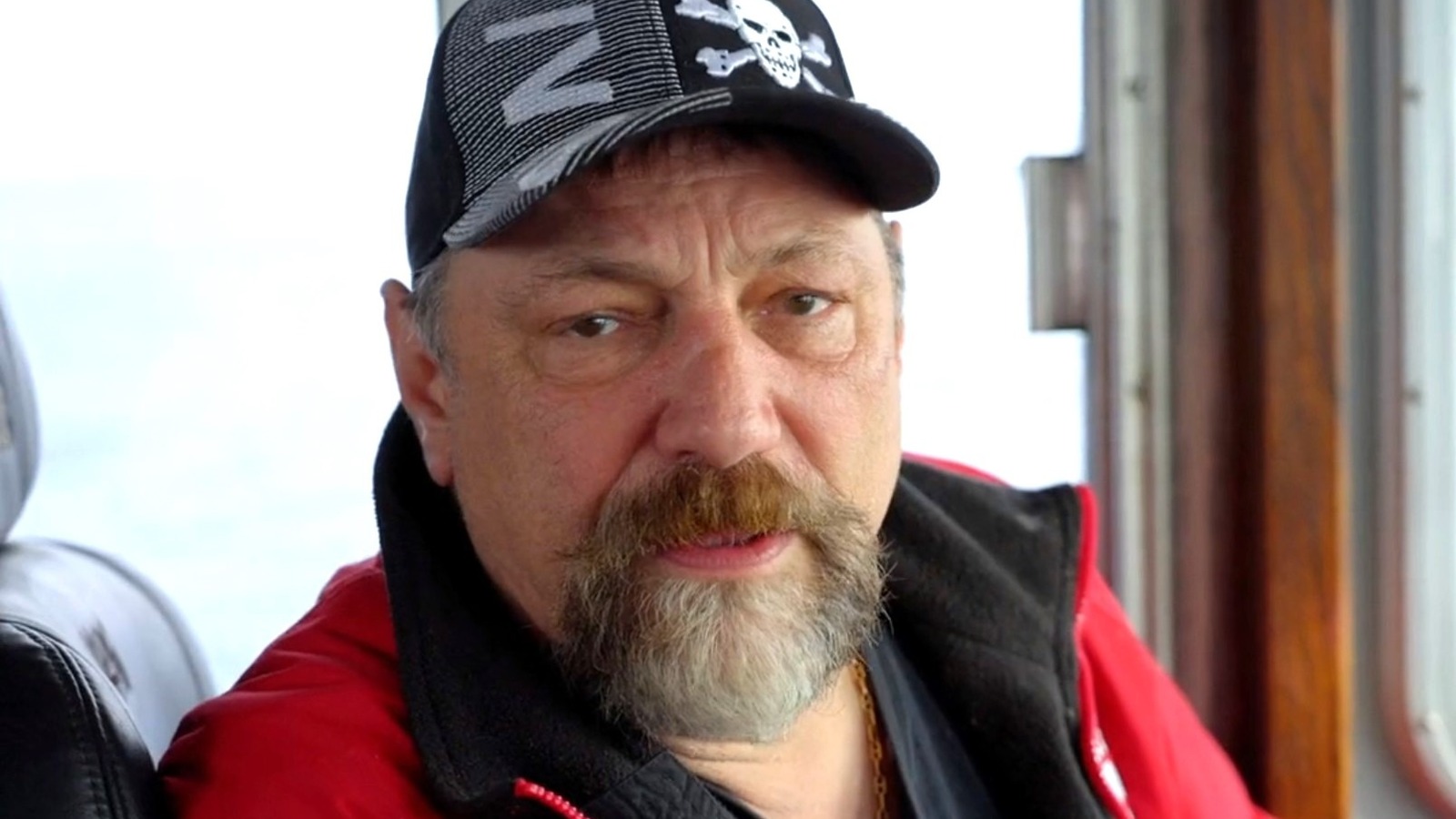
Financial pressures compound the physical risks. Crews rely on quotas and subsidies, with out-of-state workers often earning more than locals. The 2005 catch-share system improved safety by allowing fishermen to avoid poor weather, yet economic desperation still drives risks. Boats like the Time Bandit, once helmed by the Hillstrand brothers (who exited after a legal dispute), face soaring maintenance costs that can erase profits from a bad haul.
As climate change alters the seascape—rising temperatures, shifting crab migrations, and declining stocks—the industry adapts or perishes. Seasons have been shortened or canceled for conservation, forcing pivots to new species and injecting fresh tension into episodes. Newer captains like Shawn Dwyer, who assumed command of the Brenna A at 23 after his father’s death, blend modern strategies with traditional grit, symbolizing the generational shift.
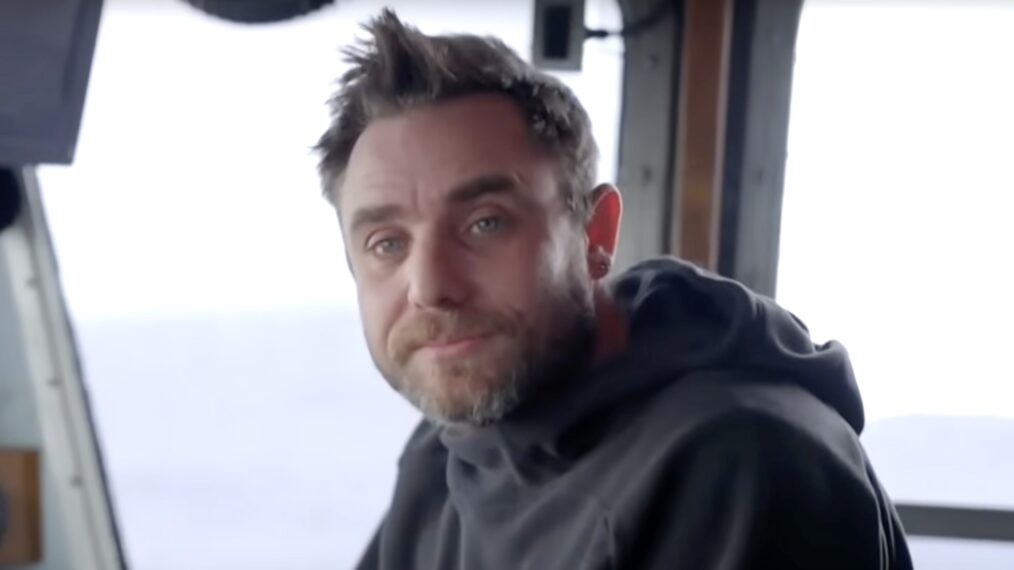
Beyond entertainment, Deadliest Catch has sparked awareness of ocean sustainability, mental health support, and safety regulations. With Season 22 unconfirmed but anticipated, the series endures as a testament to the human spirit: bonds forged in adversity, legacies preserved through peril, and the unyielding call of the sea that draws these warriors back, season after season.
As Captain Hansen recently reflected amid retirement rumors, the drive stems from tradition, pride, and an unbreakable connection to the ocean—despite the ghosts of losses past and the uncertainties ahead. In a vanishing world of commercial fishing, Deadliest Catch ensures their stories resonate far beyond the Bering’s icy grip.
